Transparent Makeup AI Metrics: Quantifying Beauty Transparency with Data-Driven Insights
Explore how transparent makeup AI metrics provide verifiable clarity, safety, and performance for cosmetics, building trust with data-driven transparency.

Estimated reading time: 7 minutes
Key Takeaways
- Transparent Makeup requires full ingredient disclosure, ethical sourcing, and verified performance claims.
- AI Metrics measure fairness, accuracy, and safety in cosmetic algorithms.
- Combined dashboards provide audit-ready insights on ingredient safety and supply-chain provenance.
- Benefits include increased consumer trust and streamlined compliance; challenges involve model drift and privacy.
- Future trends point to blockchain provenance, formal AI audits, and predictive shade-forecasting.
Table of Contents
- Introduction
- Defining Key Terms
- The Role of AI in Beauty
- How Metrics Work
- Benefits and Challenges
- Future Trends
- Conclusion
Introduction
“Transparent makeup AI metrics” are quantitative scores that evaluate the clarity, fairness, safety, and performance of cosmetic products and the algorithms analyzing them. These metrics transform vague marketing claims into audit-ready data points, ensuring every foundation, concealer, or lipstick meets objective standards.
Consumers now demand full ingredient disclosure, ethical sourcing, and verified efficacy. Vague buzzwords give way to data-driven transparency that builds trust and holds brands accountable.
Defining Key Terms
Transparent Makeup
- Complete ingredient disclosure with full INCI lists
- Ethical sourcing and supply-chain provenance
- Allergen highlighting for sensitive skin
- Verified performance claims (e.g., waterproof, long wear)
- Sustainability practices, such as carbon-footprint tracking
AI Metrics
AI metrics are quantitative indicators used to assess algorithmic performance and fairness in cosmetics. Common measures include accuracy, precision, recall, F1-score, fairness ratios across skin tones, explainability methods, safety scores detecting irritants, and sentiment indices from user feedback. For deeper technical detail, see AI-driven cosmetic metrics.
Intersection of Transparent Makeup and AI Metrics
At their intersection, AI metrics audit transparency by scanning INCI lists for safety flags, verifying supply chains via blockchain, and applying computer vision and NLP to generate real-time dashboards that surface ingredient safety, ethical sourcing, and claim authenticity.
The Role of AI in Beauty
AI Applications in Cosmetics
- Computer vision for precise shade matching and virtual try-ons
- Natural Language Processing (NLP) for sentiment analysis of product reviews
- Recommender systems tailoring personalized product suggestions
Transparency Dashboards Example
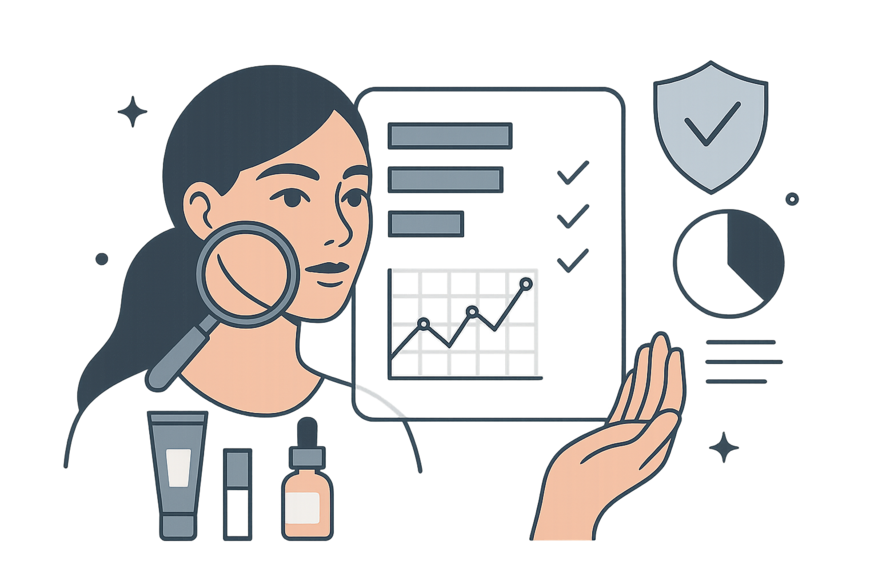
Modern brands deploy dashboards integrating shade-matching accuracy, ingredient safety flags, fairness metrics across demographics, and live sentiment scores from social media.
How Metrics Work
Data Collection Sources
- Lab imagery capturing coverage uniformity and ΔE color drift
- User selfies and real-time feedback for real-world validation
- Comprehensive ingredient databases with full INCI lists
- Supply-chain records secured by blockchain
- Publicly available online reviews for sentiment aggregation
Advanced ingredient screening powered by AI is discussed in detail at AI cosmetic ingredient analysis.
Benefits and Challenges
Benefits
- Verifiable safety, fairness, and sustainability scores boost consumer trust
- Comparison dashboards reduce mismatches and returns
- Automated compliance checks accelerate audits and regulatory oversight
Challenges
- Model drift detection and continuous retraining are resource-intensive
- Potential demographic biases require regular fairness audits
- Data privacy concerns around storing and processing user selfies
Future Trends
Emerging Trends
- Personalized transparency dashboards with live AI-driven updates
- Blockchain-enabled supply-chain provenance for end-to-end traceability
- Formalized AI audits and standardized transparency certifications
- Predictive shade-forecasting algorithms reducing guesswork
Potential Impacts
- Stricter regulatory standards aligned with FDA transparency mandates
- Surge in clean-beauty and ethical formulations
- Shift toward data-driven consumer behavior and brand loyalty
Conclusion
Transparent makeup AI metrics distill cosmetic clarity into measurable scores—accuracy, fairness, and safety—powered by real-time dashboards and NLP analysis. These metrics transform subjective claims into objective insights that brands and consumers can trust.
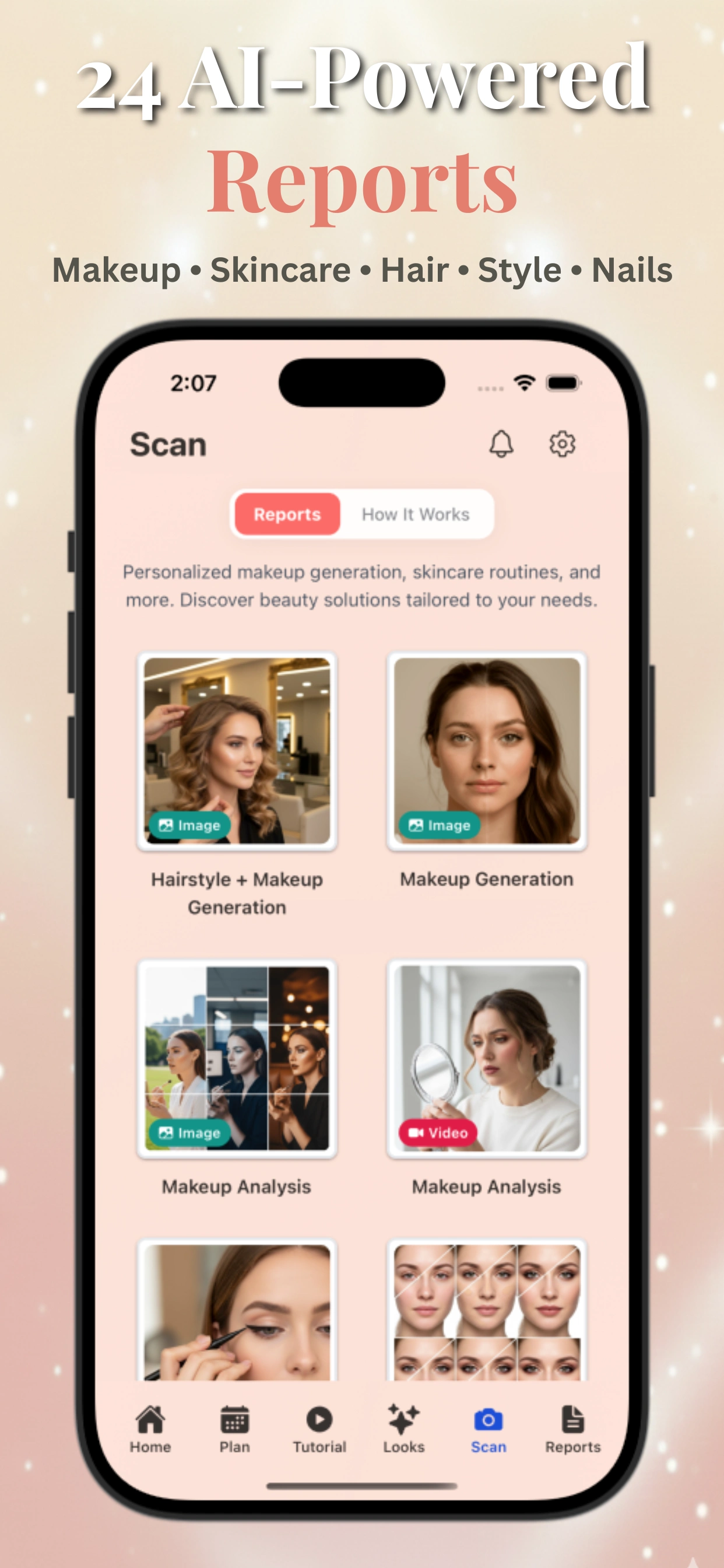
Discover how Makeup Check AI delivers comprehensive AI-powered transparency reports and personalized beauty plans. Prioritize products evaluated by transparent AI metrics, demand full ingredient and sourcing disclosures, and empower your beauty routine with verified efficacy and ethical standards.
FAQ
What are transparent makeup AI metrics?
They are quantitative scores that evaluate the clarity, fairness, safety, and performance of both cosmetic products and the algorithms analyzing them.
How do AI metrics ensure fairness?
By calculating fairness ratios across different skin tones and applying explainability methods, AI metrics detect and mitigate demographic bias.
Can consumers access these transparency reports?
Yes. Platforms like Makeup Check AI offer public dashboards detailing ingredient safety, supply-chain provenance, and performance metrics.
What challenges exist in implementing these metrics?
Key challenges include handling model drift, ensuring data privacy for user selfies, and conducting continuous fairness audits.