Transparent Makeup AI Metrics: Defining the Future of Cosmetic Transparency
Explore how transparent makeup AI metrics are transforming cosmetics with ingredient clarity, ethical sourcing, and algorithmic accountability, building consumer trust.


Estimated reading time: 8 minutes
Key Takeaways
- Definition: Quantifiable, explainable metrics for ingredient clarity, ethical sourcing, performance, safety, fairness, and algorithmic accountability.
- AI Role: Computer vision, machine learning, and explainability tools drive dynamic transparency dashboards.
- Consumer Benefits: Safer products, unbiased shade matching, and informed purchasing decisions.
- Brand Advantages: Enhanced reputation, regulatory compliance, and accelerated R&D processes.
- Future Trends: Personalized dashboards, blockchain provenance, and standardized AI “nutrition labels.”
Table of Contents
- Introduction
- Background Overview
- The Evolution of Transparency
- Role of AI in the Beauty Industry
- Detailed Explanation of AI Metrics
- Transparent Practices in Cosmetics
- Brand Implementations
- Makeup Check AI in Practice
- Case Studies and Industry Examples
- Benefits and Implications
- Future Trends and Innovations
- Conclusion
- FAQ
Introduction
Transparent Makeup AI Metrics offer real-time insights into ingredient clarity and ethical sourcing, performance, safety, fairness, and accountability. As consumer demand for honesty rises, brands face regulatory pressure and strive for differentiation through clear reporting. Transparency in makeup and AI metrics matters more than ever—reducing risk and building trust by turning complex data into accessible, audit-ready dashboards.
Background Overview
Transparent makeup means full disclosure of every ingredient (complete INCI lists), visible allergen flags, cruelty-free certifications, and end-to-end supply-chain traceability. Brands share verifiable data on wear time, shade inclusivity, and oxidation rates so consumers know exactly what they’re applying. This level of ingredient clarity and ethical sourcing fosters informed purchasing decisions and stronger brand loyalty.
The Evolution of Transparency
Early cosmetic labels listed only major ingredients and claims like “hypoallergenic.” Today, AI-powered dashboards display real-time ingredient origins, test results, and performance data. These audit-ready systems turn marketing claims into measurable scores for regulators and customers. The shift toward dynamic transparency began as advocacy groups and regulators demanded traceable evidence of safety and ethical practices.
Role of AI in the Beauty Industry
Computer Vision for Shade Matching and Skin Analysis
AI-driven computer vision analyzes high-resolution images and selfies to match foundation shades, detect undertones, and map facial features. This automated shade-matching reduces errors and returns while ensuring inclusivity across skin tones.
Machine Learning for Formulation Predictions
Machine learning models predict ideal formulations by analyzing chemical properties, stability data, and consumer feedback. These algorithms optimize texture, coverage, and longevity before a single batch is produced—saving time and resources.
Detailed Explanation of AI Metrics
Defining AI metrics in cosmetics
AI metrics are quantitative indicators that evaluate algorithm performance and product transparency. They transform raw sensory data, lab results, and consumer feedback into actionable scores. This framework holds AI accountable and ensures consistent quality.
Key Metric Categories
- Accuracy metrics – Accuracy, precision, recall, and F1-score measure how well algorithms identify ingredients and match shades.
- Fairness metrics – Bias detection across skin tones assesses whether algorithms favor certain demographics.
- Explainability metrics – SHAP and LIME attributions show how ingredients influence model outputs.
- Safety metrics – Allergen flags and toxicity scores ensure consumer well-being.
- Sustainability metrics – Supply-chain indices and ethical sourcing scores track environmental impact.
- Performance indicators – Coverage uniformity, color drift (ΔE), oxidation rates, and virtual try-on success rates gauge product behavior.
Transparent Practices in Cosmetics
How transparency builds consumer trust:
• Returns reduced by 25% when brands publish transparent metrics.
• Customer satisfaction rates climb by 30% with visible ingredient and performance data.
• Audit trails for marketing claims meet regulatory compliance and deter greenwashing.
Brand Implementations
Integrated dashboards display audit logs, drift detection alerts, bias scores, and performance metrics. Data-driven reports can be generated live—enabling brands to share transparency data with stakeholders and consumers alike.
Makeup Check AI in Practice
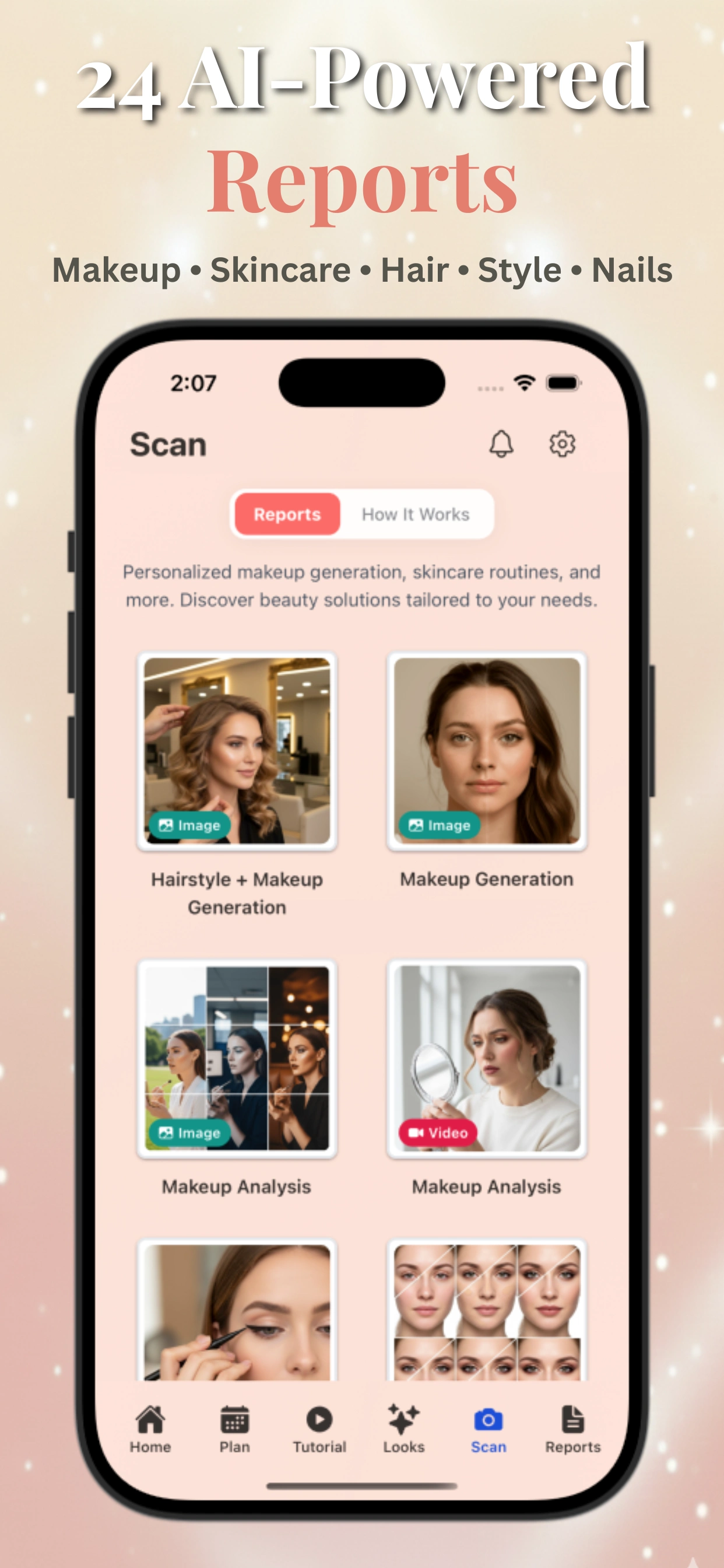
You can also use Makeup Check AI to track these metrics in real time across 24+ AI-powered reports. Its explainability dashboards ensure that every algorithmic decision is transparent and auditable.
Case Studies and Industry Examples
Makeup Check AI case study
Makeup Check AI combines NLP, computer vision, and explainability dashboards to report on formulation stability (ΔE color-drift) and consumer sentiment. Results include:
• 50% fewer formulation errors.
• 20% faster product launches.
These outcomes demonstrate the power of transparent AI metrics in driving efficiency and trust.
Benefits and Implications for Consumers and Brands
Consumer benefits
• Safer products: clear allergen flags and standardized toxicity scores help avoid adverse reactions.
• Unbiased shade matching: AI fairness metrics ensure inclusivity for all skin tones.
• Informed purchasing: accessible transparency dashboards increase buyer confidence and reduce returns.
Brand benefits
• Enhanced reputation: documented transparency drives positive perception.
• Regulatory compliance: continuous audit trails simplify global adherence.
• Faster R&D: real-time metrics accelerate formulation benchmarking.
Future Trends and Innovations
Personalized AI dashboards—Brands will offer user-specific views that highlight individual skin profiles, sensitivities, and sustainability preferences. For a comparison of manual and algorithmic methods, see Traditional vs AI Makeup Analysis.
Blockchain for ingredient provenance—Distributed ledger technology will secure immutable ingredient histories, preventing fraud and ensuring verified ethical sourcing.
Standardized “AI nutrition labels”—Beauty products will carry AI-generated labels summarizing scores across safety, performance, ethics, and environmental impact.
Conclusion
Transparent Makeup AI Metrics are transforming the cosmetics industry by fusing robust AI accountability with clear product clarity. Brands that embrace these quantifiable, explainable metrics earn consumer trust, accelerate innovation, and ensure compliance. As transparency becomes a standard, AI-driven dashboards and audit-ready reports will empower confident, informed consumers and drive the next wave of beauty innovation.
Learn more at Makeup Check AI.
FAQ
- What are Transparent Makeup AI Metrics?
They are quantifiable and explainable measurements that assess cosmetics for ingredient clarity, ethical sourcing, performance, safety, fairness, and algorithmic accountability. - How do AI metrics improve consumer trust?
By providing real-time dashboards, audit trails, and verifiable data on formulation stability, shade inclusivity, and safety, brands can demonstrate honesty and reduce returns. - Can any brand implement these metrics?
Yes. Platforms like Makeup Check AI offer plug-and-play solutions with 24+ reports and explainability tools to support transparency efforts. - What future innovations should consumers watch for?
Watch for personalized AI dashboards, blockchain-based ingredient provenance, and standardized AI “nutrition labels” summarizing safety, ethics, performance, and environmental impact.