Transparent Makeup AI Metrics: How Data-Driven Transparency Is Revolutionizing Beauty
Explore how transparent makeup AI metrics are transforming the beauty industry by providing data-driven transparency, enhancing consumer trust and brand compliance.

Estimated reading time: 7 minutes
Key Takeaways
- Transparent makeup merges full ingredient disclosure with ethical sourcing and evidence-based claims.
- AI metrics provide objective measures—accuracy, fairness, explainability and safety—to validate beauty promises.
- The synergy of transparency and AI fosters consumer trust, regulatory compliance and rapid innovation.
- Real-world applications include automated ingredient scanning, blockchain provenance and dynamic transparency dashboards.
- Brands leveraging these metrics see reduced returns, faster launches and higher satisfaction across diverse users.
Table of Contents
- Introduction
- Section 1: Defining Transparent Makeup
- Section 2: Understanding AI Metrics in the Makeup Industry
- Section 3: The Intersection of Transparent Makeup and AI Metrics
- Section 4: How AI Metrics Influence Consumer Trust and Brand Reputation
- Section 5: Practical Applications and Industry Trends
- Conclusion
- FAQ
Introduction
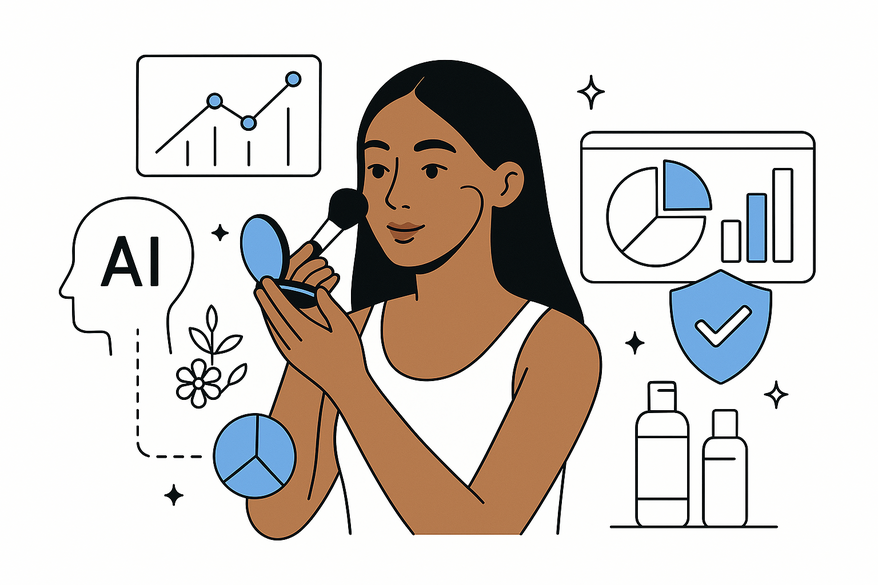
Transparent makeup AI metrics sit at the crossroads of beauty and technology, turning vague marketing claims into auditable data. In today’s market, consumers demand more than buzzwords—they want proof. By combining transparent makeup with robust AI metrics, brands can offer measurable trust and accountability from formula to final swipe.
Transparent makeup means full ingredient disclosure, ethical sourcing, and evidence-based claims rather than unsubstantiated advertising. It reveals what’s inside, how it’s made, and how honestly it’s marketed. Meanwhile, AI metrics are quantitative measures—accuracy, fairness, explainability, safety, sentiment scores—that validate every product promise.
Together, they create a framework where claims like “clean,” “24-hour wear” or “works on all skin tones” become inspectable numbers. This union fosters consumer confidence, streamlines compliance, and drives continuous innovation.
For brands and consumers alike, solutions like Makeup Check AI illustrate how transparent AI metrics can be packaged into user-friendly tools, offering clear dashboards and safety scores at a glance.
Section 1: Defining Transparent Makeup
Transparent makeup focuses on clarity in what’s inside, how it’s made, and how honestly it’s marketed. It rests on three core pillars that align with modern ingredient literacy and anti-greenwashing efforts.
Pillar 1 – Clear Labeling & Ingredients
- Full INCI lists (International Nomenclature of Cosmetic Ingredients) on every product.
- Explicit allergen flags and disclosed active ingredient concentrations.
- No vague “proprietary blends” or hidden irritants.
Pillar 2 – Ingredient Sourcing & Manufacturing
- Traceable provenance of raw materials, with ethical certifications (e.g., Fair Trade, COSMOS) and guidelines from ethical beauty frameworks.
- Documented safety and stability test data.
- Sustainability metrics like carbon footprint and water usage.
Pillar 3 – Ethical, Evidence-Based Formulations & Claims
- Claims (“clean,” “non-comedogenic,” “24-hour wear”) backed by lab or consumer test data.
- Clear disclosure of AI vs. human shade-match or recommendation methods.
- No misleading virtual try-on imagery or dark patterns in user flows.
Why Transparency Matters
- Rising ingredient literacy fuels demand for full disclosure and proof.
- Regulatory scrutiny intensifies around unsubstantiated “clean” or “natural” claims.
- Brands that publish data differentiate themselves, gain trust, and reduce compliance risk.
Section 2: Understanding AI Metrics in the Makeup Industry
AI metrics are data-driven measures that evaluate both cosmetic formulations and beauty tech tools. They transform subjective experiences into objective indicators.
Category A – Technical Performance
- Accuracy, precision, recall, F1-score for shade matching: measures how often recommended shades align with real-world skin tones.
- Ingredient classification performance for detecting allergens or restricted substances.
- Claim verification for wear-time consistency and coverage uniformity.
Category B – Fairness & Bias
- Error gaps and fairness ratios across skin tones, genders, and ages.
- Subgroup accuracies and equal-opportunity gaps to ensure inclusive performance.
- Bias drift monitoring to catch performance degradation over time.
Category C – Explainability & Transparency
- SHAP and LIME feature attributions reveal which inputs (e.g., melanin level, lighting) drive shade recommendations.
- Model cards describe intended use cases, data sources, limitations, and risks.
Category D – Safety & Ingredient Metrics
- Transparency scores based on completeness of ingredient lists and supplier documentation.
- Safety verification rates: percentage of ingredients cross-checked against regulatory databases (e.g., EU Cosing).
Category E – Consumer & Sentiment Metrics
- NLP-based sentiment scores from product reviews and social media mentions.
- Satisfaction indices, return rates, and virtual try-on success metrics.
Section 3: The Intersection of Transparent Makeup and AI Metrics
AI metrics do more than power virtual try-ons and recommendation engines—they serve as an audit tool for transparency. By automating scrutiny, brands can prove promises at scale.
Automated Ingredient Scanning
- AI parses INCI lists to flag allergens or restricted substances.
- Assigns safety and clarity scores based on data completeness and documented risk levels.
Supply-Chain & Sourcing Verification
- Blockchain-linked records verify raw-material provenance, certifications, and environmental impact.
- Digital ledgers reduce manual audits and ensure immutable traceability.
Claim Substantiation
- Computer vision measures coverage uniformity and oxidation to validate “24-hour wear” and “non-caking” claims.
- Quantitative KPIs replace anecdotal evidence.
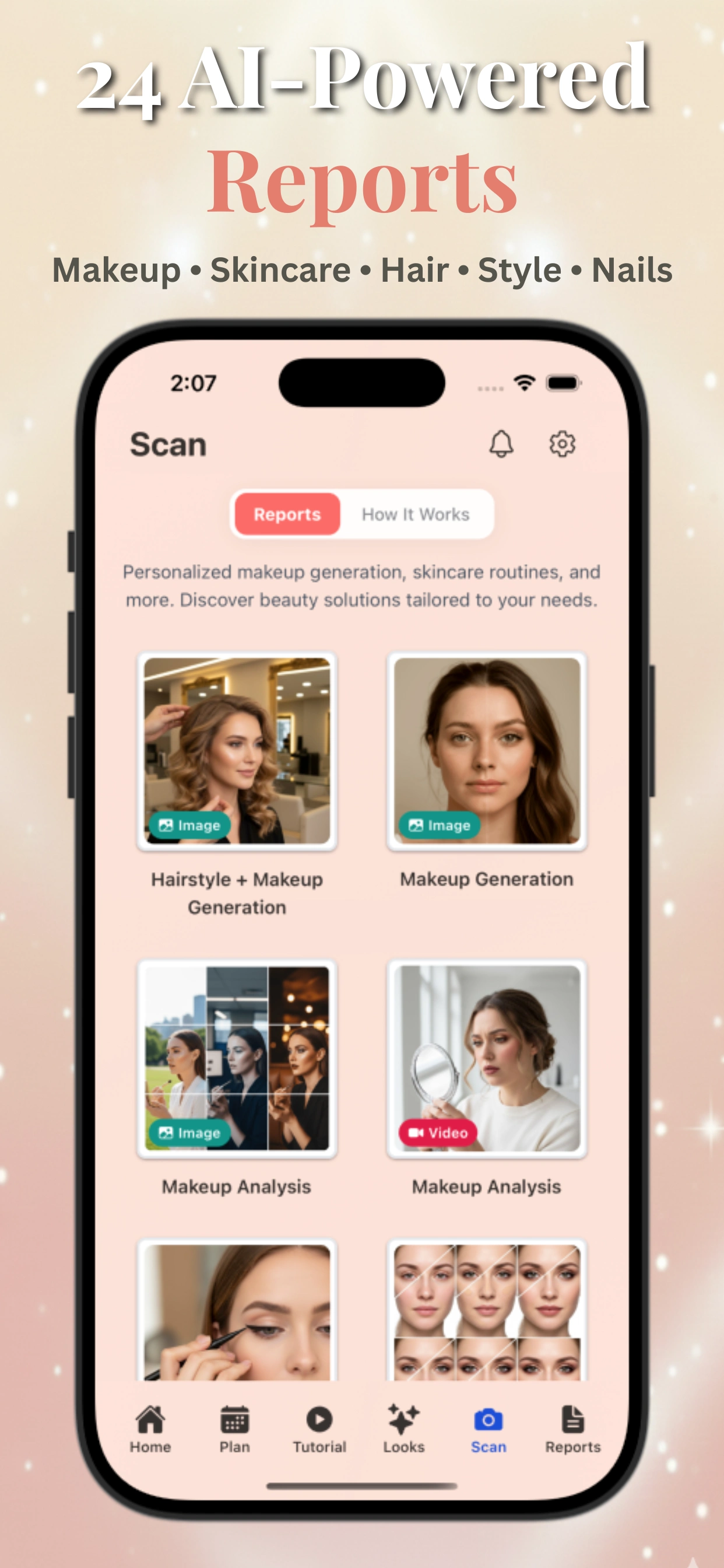
Transparency Dashboards
- Real-time monitoring of clarity, safety, fairness, and sustainability metrics.
- Drill-downs by skin tone, region, or ingredient source.
Case Study Highlights
- 30% higher shade-match satisfaction among diverse users.
- 25% fewer returns due to clearer claims and better matches.
- 50% reduction in formulation errors and 20% faster product launches.
Section 4: How AI Metrics Influence Consumer Trust and Brand Reputation
Building Trust via Verified Claims
- Audit trails of ingredient safety, shade fairness, and performance metrics reduce greenwashing.
- Public dashboards and downloadable reports enable consumer and regulator scrutiny, echoing insights from trust in beauty tech transparency.
- Continuous monitoring catches bias drift and triggers model retraining or reformulation.
Reputation & Continuous Improvement
- Mining review data uncovers irritants, fit issues, and performance failures.
- Data-backed claims like “inclusive shade range with ≤5% error gap” resonate more authentically.
- Sentiment analysis fine-tunes messaging around terms like “clean,” “vegan,” or “sensitive.”
- Correlated metrics show ingredient transparency and shade-match accuracy boost satisfaction and lower returns.
Section 5: Practical Applications and Industry Trends
Current Applications
- Virtual shade matching with built-in fairness metrics across diverse skin tones.
- Ingredient transparency scores based on documentation completeness and risk profiles.
- NLP-driven product tuning that flags emerging issues like oxidation or sensitivity complaints.
- Compliance dashboards aligned with regulations such as the EU AI Act, readying brands for audits.
Emerging Trends & Future Directions
- Standardized transparency labels summarizing safety, sustainability, and fairness at a glance.
- Personalized consumer dashboards showing fit for your skin type, tone, sensitivities, and values.
- Blockchain-linked provenance for ingredient origin, labor practices, and environmental impact.
Key Challenges & Opportunities
- Ensuring data quality and diversity to minimize algorithmic bias.
- Translating complex technical metrics into clear, consumer-friendly language.
- Developing industry-wide definitions and thresholds for “clean,” “fair,” and “safe” claims.
Brands that invest in transparent makeup AI metrics today will lead in compliance, innovation, and customer loyalty tomorrow.
Conclusion
Transparent makeup ensures radical clarity on ingredients, sourcing, and claims. AI metrics supply measurable proof, continuous audit capability, and drive iterative improvements. By turning honesty, safety, and fairness into data, brands can track performance, uncover hidden biases, and substantiate every promise.
“In beauty, transparency is the ultimate luxury.”
Embracing transparent makeup AI metrics is the path to stronger trust, enhanced reputation, and more inclusive beauty experiences. It’s time for both brands and consumers to demand auditable data and accountable practices.
FAQ
What are transparent makeup AI metrics?
They are quantitative measures—accuracy, fairness, explainability, safety, sentiment—that validate cosmetic claims and beauty tech tools.
Why is ingredient transparency important?
It builds consumer trust, reduces greenwashing, and meets regulatory requirements by providing full disclosure of formula components and sources.
How do AI metrics improve shade matching?
Metrics like accuracy, recall, and fairness ratios ensure recommendations align closely with real-world skin tones, reducing mismatches and returns.
Can small brands implement these practices?
Yes. Scalable solutions like cloud-based dashboards and open-source AI toolkits make it accessible for brands of all sizes.
What’s next for transparent makeup and AI?
Expect standardized labels, personalized dashboards, and blockchain provenance to become industry norms, driving even greater accountability.