Transparent Makeup AI Metrics: Transforming Beauty with Data-Driven Transparency
Discover how transparent makeup AI metrics enhance beauty products' honesty by providing clear, data-backed insights on ingredients, sourcing, and claims.

5 min read
Key Takeaways
- Quantifying Transparency: AI metrics turn buzzwords into measurable scores for accuracy, fairness, explainability, and sustainability.
- Ingredient Clarity: Transparent makeup demands full INCI lists, allergen flags, and data-backed claims.
- Consumer Trust: Data-driven insights and explainability tools like SHAP/LIME foster confidence.
- Brand Innovation: Integration accelerates R&D, supports compliance, and informs marketing.
- Future Horizons: Emerging trends include personalized dashboards, blockchain provenance, and standardized labels.
Table of Contents
- Understanding Transparent Makeup
- Introduction to AI Metrics
- The Interplay Between Transparent Makeup and AI Metrics
- Benefits of Integrating AI Metrics in Transparent Makeup
- Challenges and Considerations
- Future Trends and Innovations
- Makeup Check AI in Action
- Conclusion
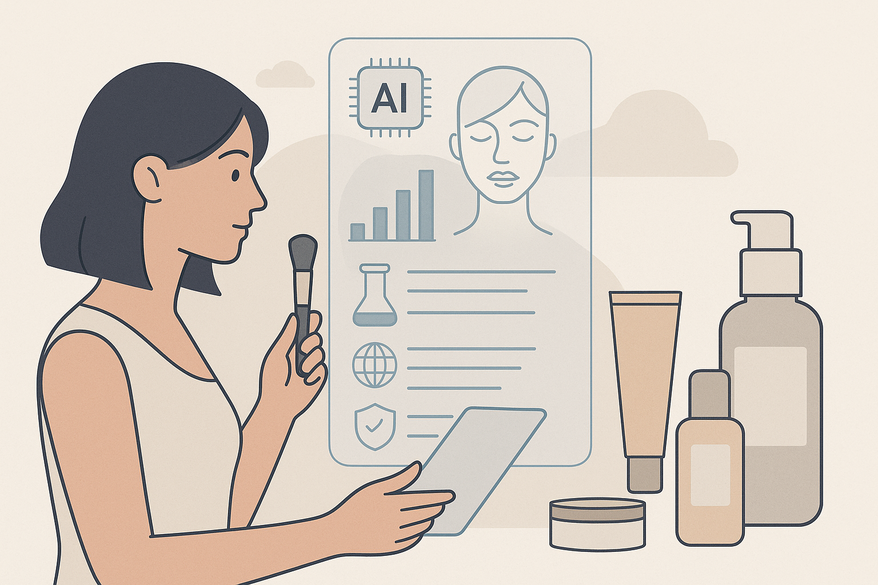
Transparent makeup AI metrics combine data analytics with beauty science to create clear, auditable measures of product honesty and algorithm accountability. Here, “transparent makeup AI metrics” refers to quantitative indicators—accuracy, fairness, explainability, safety, sustainability—used to audit makeup products and the AI systems evaluating them. These metrics turn marketing buzzwords into traceable scores on performance, ingredient safety, ethical sourcing, and algorithmic bias.
Understanding Transparent Makeup
Transparent makeup goes beyond sheer formulations—it represents clarity and honesty across three pillars: ingredients, sourcing, and claims.
- Ingredients—Full INCI lists, allergen flags, active levels.
- Sourcing—Provenance records, ethical certifications, sustainability metrics.
- Claims—Data-backed terms and clear AI-vs-expert disclosures.
Introduction to AI Metrics
AI metrics are quantitative measures evaluating system performance, transparency, and fairness in beauty tech. They translate complex algorithms into actionable insights for R&D, compliance, and marketing.
The Interplay Between Transparent Makeup and AI Metrics
AI amplifies transparent makeup efforts by automating audits and surfacing insights at scale—ingredient audits, supply-chain verification, claim substantiation, and integrated dashboards from R&D to retail.
Benefits of Integrating AI Metrics in Transparent Makeup
Consumers gain clear ingredient breakdowns and personalized recommendations, while brands receive data-driven R&D insights and compliance support. Explainability tools like SHAP and LIME further build trust by illuminating algorithmic decisions.
Challenges and Considerations
Key pitfalls include data privacy, algorithmic bias, subjective measures, and oversimplification. Best practices involve diverse datasets, model cards, strong governance, and privacy-by-design approaches.
Future Trends and Innovations
- Standardized transparency labels—akin to nutrition facts for cosmetics.
- Personalized consumer dashboards with AI-driven sensitivity flags.
- Blockchain-backed provenance for ingredient origin and carbon data.
Emerging research spans multimodal AI models and advanced fairness frameworks. For deeper context on ethics and transparency in beauty tech, see our post on Building Trust in Beauty Tech: Why Transparency and Ethics Matter and Ethical Makeup App Practices: A Guide to Transparency, Privacy, and Inclusive Beauty Tech.
Makeup Check AI in Action
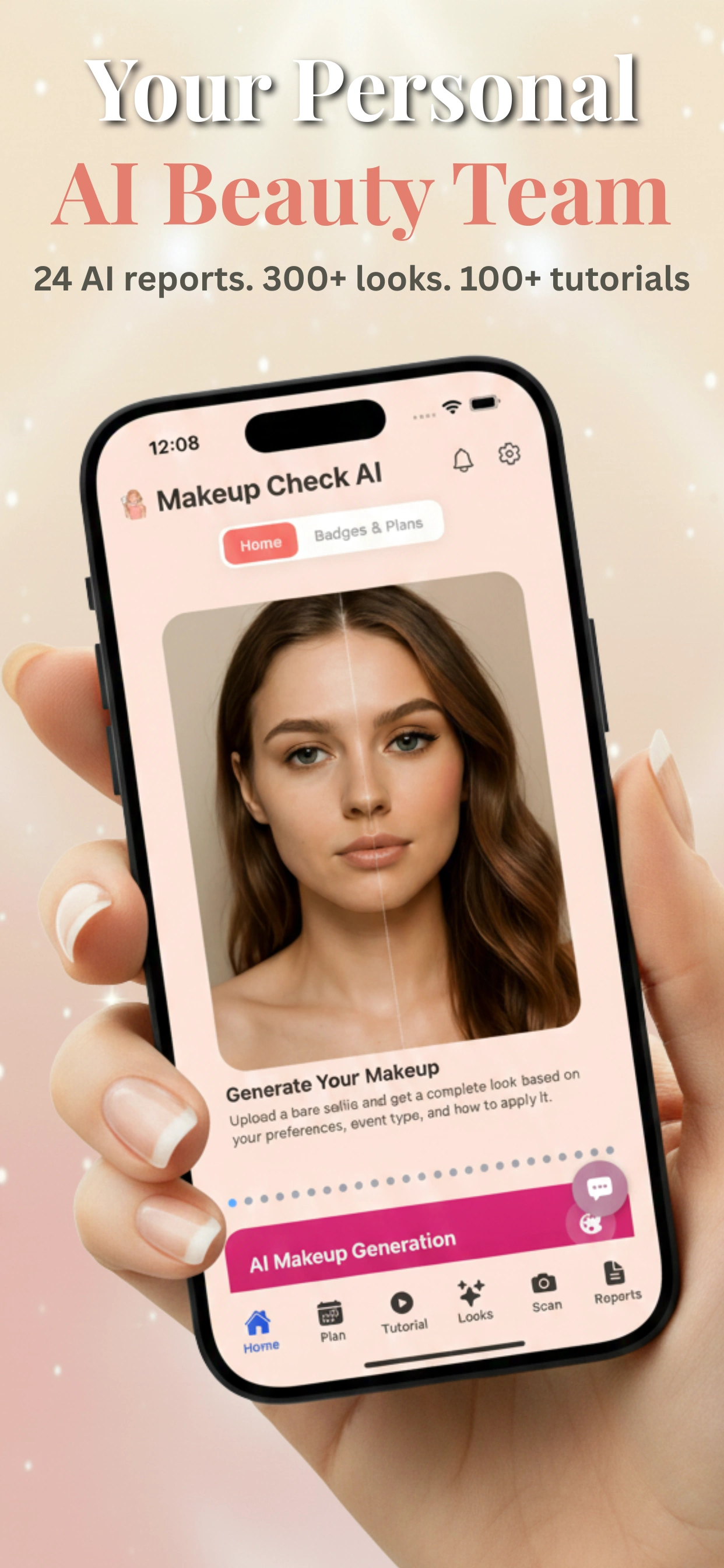
Tools like Makeup Check AI integrate these metrics into consumer apps, offering AI-powered reports on ingredient safety, shade matching accuracy, and sustainability scores.
Conclusion
Transparent makeup AI metrics unify formula transparency—ingredients, sourcing, claims—with AI accountability—accuracy, fairness, explainability—into a measurable standard of beauty honesty. They empower consumers to make safer, more inclusive choices while enabling brands to innovate faster, reduce risk, and build trust through data-backed transparency.
To experience these insights firsthand, explore the full capabilities of Makeup Check AI—your complete AI beauty team for reports, looks, and tutorials that bring data-driven transparency to life.
FAQ
- What are transparent makeup AI metrics?
- They are quantitative indicators that measure the honesty of makeup products and the performance of AI systems—covering aspects like accuracy, fairness, explainability, safety, and sustainability.
- How do AI metrics benefit consumers?
- Consumers receive personalized recommendations, clear ingredient breakdowns, and bias checks to make safer, more informed beauty choices.
- What challenges exist in AI-driven transparency?
- Major challenges include ensuring data privacy, mitigating algorithmic bias, addressing subjective measures, and avoiding oversimplification of complex data.
- What future innovations should be expected?
- Look for standardized transparency labels, personalized dashboards, blockchain-based provenance, and advanced fairness frameworks.
- How can brands adopt these metrics?
- Brands should invest in diverse datasets, implement strong governance and privacy-by-design, and leverage tools like Makeup Check AI for seamless integration.