Transparent Makeup AI Metrics: Guide to Cosmetic Clarity and Performance
Explore transparent makeup AI metrics to enhance beauty product evaluation with ingredient transparency, ethical sourcing, and AI performance insights.


Estimated reading time: 10 minutes
Key Takeaways
- Transparent makeup demands full ingredient disclosure, ethical sourcing, and verified claims to build consumer trust.
- AI metrics like accuracy, precision, recall, F1-score, and fairness ratios quantify algorithmic performance in cosmetics.
- Transparency dashboards integrate these metrics, offering real-time monitoring of fairness, ingredient provenance, and safety scores.
- Interactive AI tools—computer vision and NLP—enhance shade-matching, ingredient analysis, and sentiment tracking.
- Brands leveraging transparent makeup AI gain regulatory compliance, reduced errors, and stronger market credibility.
Table of Contents
- Overview of Transparent Makeup
- Understanding AI Metrics in the Beauty Industry
- The Intersection of Transparent Makeup and AI Metrics
- Benefits to Consumers and the Industry
- Future Trends and Considerations
- Conclusion
- Call to Action
Overview of Transparent Makeup
Keyword: transparent makeup
Principles of Clear Cosmetic Transparency
- Full ingredient lists (INCI) on packaging with highlighted allergen flags.
- Ethical sourcing evidenced by provenance certificates, carbon-footprint data, and supplier audits.
- Verified performance claims—lab and consumer tests for wear time, stability, and clinical proof.
Consumer Demand for Honest Beauty
- Heightened skin-health awareness drives scrutiny of formulation details.
- Accurate shade matches address self-image concerns.
- Greenwashing fatigue pushes consumers toward transparent labels over vague marketing.
Industry Trends in Makeup Transparency
- AI-powered virtual try-ons boosting shade confidence.
- Inclusive shade libraries covering diverse skin tones.
- EU AI Act dashboards reporting performance by demographic.
Understanding AI Metrics in the Beauty Industry
Keyword: AI metrics
Defining AI Metrics for Cosmetics
- Accuracy, Precision, Recall, F1-score assess shade-match and ingredient-detection performance.
- Fairness ratios and error gaps across skin tones, ages, and genders.
- Explainability via SHAP/LIME attributions and model cards.
- Safety flags auto-detected from ingredient lists; scores from regulatory databases.
- Sentiment indices from NLP analyses of customer reviews.
As covered in our analysis of AI-driven cosmetic performance metrics, tracking these indicators empowers R&D and quality teams.
Roles of AI in Cosmetics
- Data analysis of ingredient and usage datasets.
- Quality control to spot formulation drift or contamination.
- Performance evaluation for claims like “long-wear.”
AI Implementations in Beauty
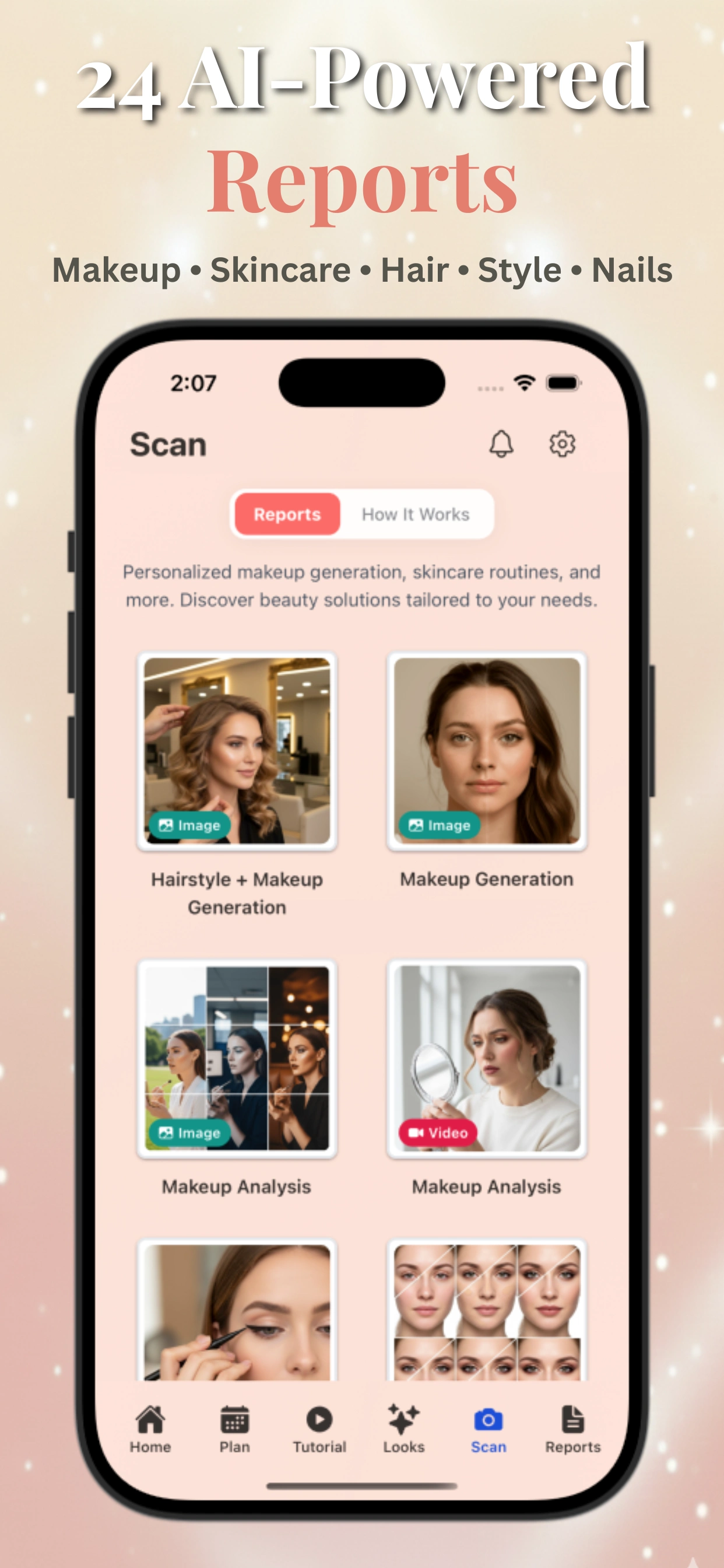
- Computer vision for skin analysis: detects pores, redness, and texture variations.
- NLP for customer feedback: classifies reviews by sentiment and flags concerns.
- Ingredient-database cross-referencing: verifies ethical sourcing and banned substances.
Case Study: Makeup Check AI Dashboards
- Real-time shade accuracy monitoring (ΔE color drift).
- Fairness diagnostics by Fitzpatrick scale.
- Production line drift detection, leading to 25% fewer returns.
- 50% reduction in formulation errors in R&D.
The Intersection of Transparent Makeup and AI Metrics
Keyword: transparency dashboards
How AI Metrics Audit Transparency
- Automated INCI scanning with safety flags for allergens.
- Blockchain-verified supply-chain documentation for origin and carbon footprint.
- Test-backed claim substantiation for features like “waterproof.”
Tools and Methods for Cosmetic Transparency
- Computer vision to measure coverage uniformity and analyze oxidation rates.
- NLP sentiment analysis to gauge public trust and identify complaint trends.
- Explainability logs with SHAP/LIME visualizations.
Data Flow in Transparency Dashboards
- User uploads a selfie or product image.
- AI model analyzes skin tone, texture, and product application.
- System generates auditable shade, safety, and sentiment scores.
- Dashboard displays real-time metrics for brands and regulators.
Brand Benefits from Transparency Dashboards
- Continuous governance through live KPI tracking.
- Bias mitigation with fairness alerts.
- Regulatory compliance via audit-ready reports.
- Marketing credibility with data-backed claims.
Benefits to Consumers and the Industry
Transparent makeup AI metrics offer safer, more inclusive products, build consumer trust, and streamline compliance. Brands benefit from fewer returns, improved R&D accuracy, and enhanced market differentiation.
Future Trends and Considerations
Emerging trends include deeper integration of blockchain for supply-chain traceability, expanded use of explainable AI in product development, and greater regulatory oversight under evolving AI legislation. This aligns with principles outlined in our post on Building Trust in Beauty Tech.
Conclusion
Transparent makeup AI metrics fuse ingredient clarity with rigorous algorithmic evaluation—accuracy, fairness, and explainability. This combination fosters auditable trust, drives innovation, and secures a competitive edge in the beauty market.
Call to Action
Explore the Live Transparency Metrics Guide on Makeup Check AI dashboards.
Dive deeper with the complete AI Beauty Analysis 2024 guide.
FAQ
- What are transparent makeup AI metrics? Quantitative indicators—like accuracy, fairness, and explainability—used to assess cosmetic algorithms and product claims.
- How do transparency dashboards work? They integrate AI analyses (shade matching, safety flags, sentiment scores) and display live metrics to brands and regulators.
- Why is ingredient transparency important? It builds consumer trust by disclosing full INCI lists, highlighting allergens, and specifying active ingredient levels.
- Which AI metrics matter most? Accuracy and F1-score for performance; fairness ratios to detect bias; SHAP/LIME scores for explainability.
- How can brands implement these metrics? By adopting AI platforms with dashboard capabilities—for real-time governance, audit-ready reports, and data-backed marketing claims.