
Transparent Makeup AI Metrics: Revolutionizing Cosmetic Transparency with AI
Explore transparent makeup AI metrics and how AI technology is revolutionizing cosmetic transparency, ensuring safe and ethical beauty product choices.

Estimated reading time: 8 minutes
Key Takeaways
- Synergy: AI-driven scores meet full-disclosure ingredient lists for uncompromised transparency.
- Consumer Empowerment: Standardized safety, sourcing, and compliance insights guide informed purchases.
- Scalability: Automated audits flag irritants and regulatory gaps in minutes, not weeks.
- Future Outlook: Blockchain, dynamic alerts, and QR-packaging will elevate real-time transparency.
Table of Contents
- 1. Understanding Transparent Makeup
- 2. Introduction to AI Metrics
- 3. Integration: How AI Metrics Apply to Transparent Makeup
- 4. Case Studies and Current Trends
- 5. The Future of Transparent Makeup and AI Metrics
- Conclusion
1. Understanding Transparent Makeup
Transparent makeup is defined by brand commitments to full ingredient disclosure, ethical sourcing, and clear labeling. It follows FDA guidelines by listing ingredients in descending order of concentration while extending transparency to fragrances and low-dose actives that often escape scrutiny. For an in-depth look at these principles, see trust in beauty tech transparency.
Why Consumers Demand Transparent Makeup
- Allergen avoidance: Shoppers seek “no-paraben” or “no-phthalate” assurances to protect sensitive skin.
- Greenwashing guardrails: Detailed ingredient breakdowns prevent vague “fragrance” labels hiding harmful chemicals.
- Ethical sourcing verification: Transparency reveals whether ingredients like palm oil derivatives meet sustainability standards.
Ingredient Disclosure Best Practices
- Complete INCI lists: Every chemical and botanical must be listed by its International Nomenclature Cosmetic Ingredient name.
- Fragrance transparency: Break down complex scent blends into constituent molecules rather than using “fragrance” as a catch-all.
- Low-dose actives: Disclose ingredients under 1% concentration to empower allergy-sensitive consumers.
2. Introduction to AI Metrics
AI metrics are quantitative outputs from machine-learning models trained on ingredient libraries, regulatory texts, and supply-chain records. They automate quality checks and deliver consistent, scalable analysis far faster than manual reviews.
Importance of AI Metrics
- Scalability: Process thousands of labels in minutes instead of weeks.
- Consistency: Apply uniform rules to every formula, eliminating human bias.
- Early detection: Flag potential irritants, non-compliance, or sourcing gaps before launch.
Common AI Metrics in Cosmetics
- Safety Scores: Numerical ratings flag high-risk chemicals like sulfates or parabens.
- Sourcing Traceability Indices: Reveal whether ingredients come from certified or high-risk suppliers.
- Compliance Checks: Verify formulas against global regulations (EU, FDA, NMPA).
3. Integration: How AI Metrics Apply to Transparent Makeup
By merging transparent makeup standards with AI metrics, brands quantify disclosure depth, ingredient safety, and supply-chain ethics. Here’s how it works:
- Training Data: AI ingests INCI dictionaries, safety databases (CosIng, CIR), supplier certificates, and regulatory lists.
- Model Building: Machine-learning pipelines learn patterns of compliant versus non-compliant disclosures.
- Scoring Framework: Multi-dimensional transparency scores cover completeness, ethics, safety, and compliance.
Technical Workflow:
- Automated Parsing: Extract and normalize INCI names from digital ingredient lists.
- Allergen Detection: NLP flags hidden irritants and fragrance allergens buried under “parfum.”
- Transparency Index Generation: Composite algorithms assign weighted scores based on full disclosure and supplier certifications.
4. Case Studies and Current Trends
Several pioneers are hinting at AI-driven transparency advancements, even if they haven’t fully publicized dedicated metrics.
Credo Beauty’s Fragrance Disclosure Push
- Impact: Credo required 68% of its partner brands to reveal fragrance sources.
- Method: Basic digital audits highlighted gaps, prompting voluntary supplier data sharing.
- Outcome: A 15% sales growth in the fragrance category within one year.
Disruptor London & Ulé Interactive Experiences
- Ingredient Maps: Online origin maps with plain-English toggles.
- AI Potential: These dynamic, data-driven interfaces could evolve into real-time AI transparency platforms.
5. The Future of Transparent Makeup and AI Metrics
As technology and regulations evolve, transparent makeup AI metrics will become more robust and consumer-facing.
- Blockchain Integration: Real-time supply-chain ledgers auto-update transparency scores with each shipment.
- Dynamic Allergen Alerts: AI-driven models will push live notifications when formulations change or new safety data emerges.
- Packaging Integration: QR codes on boxes will display up-to-the-minute transparency scores and source maps.
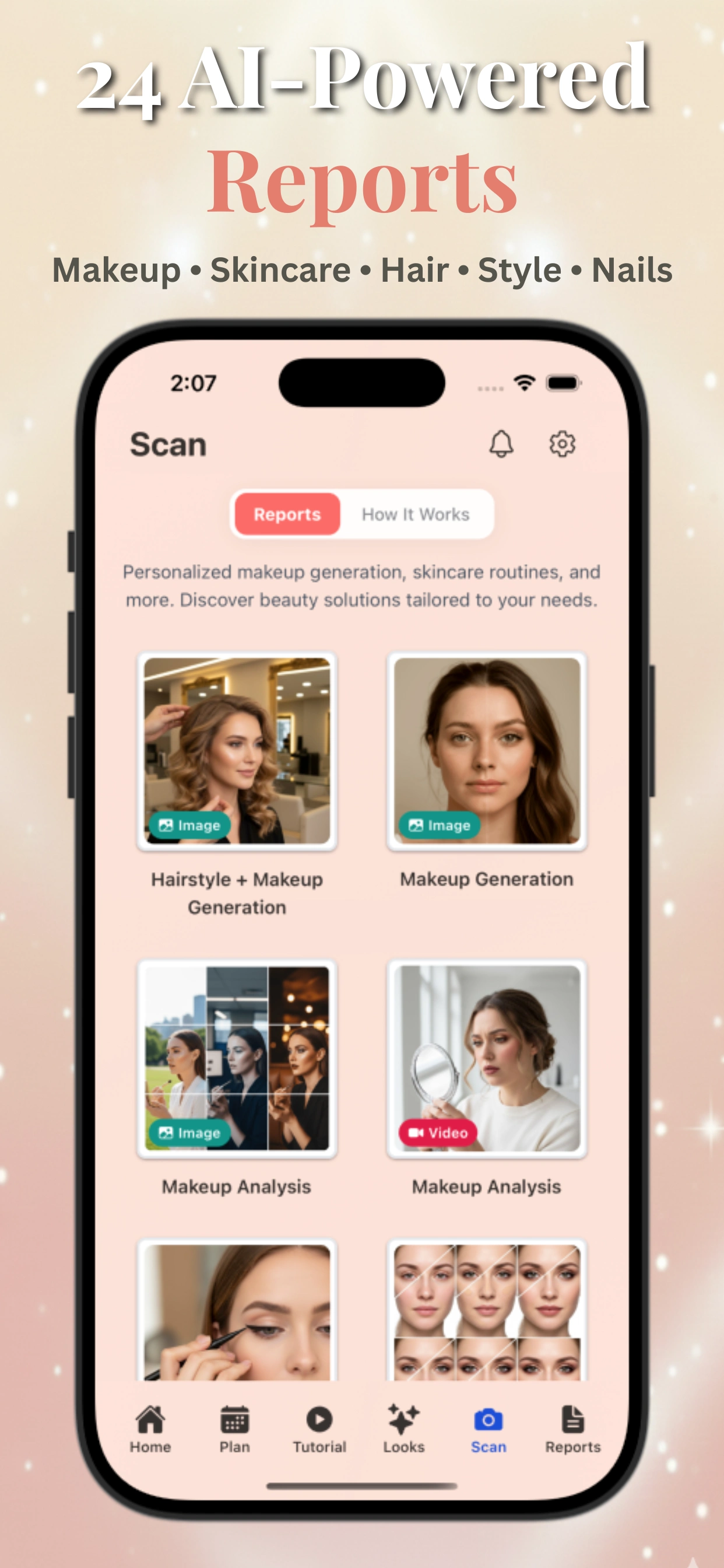
Beauty apps Makeup Check AI will integrate these metrics, offering personalized alerts based on individual allergen profiles and sourcing preferences.
Conclusion
Transparent makeup AI metrics represent a paradigm shift in beauty, merging full-disclosure practices with powerful machine-learning evaluations. By standardizing safety scores, ethics indices, and disclosure completeness ratings, these metrics protect consumers and elevate brand accountability. As blockchain links, allergen predictions, and mobile-app integrations accelerate, shoppers will demand quantifiable transparency at every step. Prioritize transparency in your next beauty purchase and support brands adopting AI metrics for honest, ethical cosmetics.
FAQ
- What is transparent makeup? Transparent makeup refers to cosmetics with full ingredient lists, ethical sourcing details, and clear labeling that often goes beyond regulatory requirements.
- How do AI metrics enhance transparency? AI models analyze ingredient libraries, supplier data, and regulations to assign objective scores on safety, compliance, and ethics.
- Can I access these metrics as a consumer? Yes. Scanner apps and QR-code integrations on packaging will soon let shoppers view real-time transparency scores.
- Are blockchain and AI metrics already in use? Pilot programs exist, but widespread adoption is on the horizon as brands and regulators embrace these technologies.
- How accurate are AI-driven allergen alerts? AI uses natural language processing and global allergen databases to flag hidden irritants with high precision, updating continuously as new data emerges.