Transparent Makeup AI Metrics: Revolutionizing Beauty with Transparency and Technology
Explore how transparent makeup AI metrics ensure safety, fairness, and reliability, revolutionizing the beauty industry with data-driven transparency.

Estimated reading time: 7 minutes
Key Takeaways
- Transparent makeup AI metrics ensure full ingredient disclosure, ethical sourcing, and verifiable performance claims.
- AI powers shade matching, skin analysis, trend forecasting, and ingredient standardization for unbiased, data-driven beauty.
- Core metrics include technical performance, fairness & bias, explainability, ingredient safety, and consumer sentiment.
- Auditing AI-driven makeup claims builds consumer trust and helps brands achieve compliance and quality control.
- Future trends point to personalized dashboards, blockchain provenance, standardized AI labels, and real-world impact metrics.
Table of Contents
- Understanding Transparent Makeup
- The Role of AI in the Cosmetics Industry
- Exploring AI Metrics in Makeup
- How Transparent Makeup AI Metrics Intersect
- Future Trends and Developments
- Conclusion and Key Takeaways
- FAQ
Understanding Transparent Makeup
What Is Transparent Makeup?
At its core, transparent makeup is about open and honest product information that empowers consumers. This concept breaks down into three pillars:
- Full Ingredient Disclosure: Complete INCI lists with no hidden “fragrance blends,” and all allergens clearly flagged.
- Ethical Sourcing: Provenance certificates for raw materials and data on carbon footprint and water usage.
- Verifiable Performance Claims: Lab test results on wear time and transfer resistance, plus real user trials with clear before-and-after photos.
Why Transparency Matters for Consumers and Brands
Consumers demand safety and fairness—they avoid hidden irritants and biased shade matches. Brands leverage transparency to:
- Comply with global regulations (FDA, EU, ASEAN).
- Differentiate in a crowded market.
- Build loyalty through trust and open communication.
The Role of AI in the Cosmetics Industry
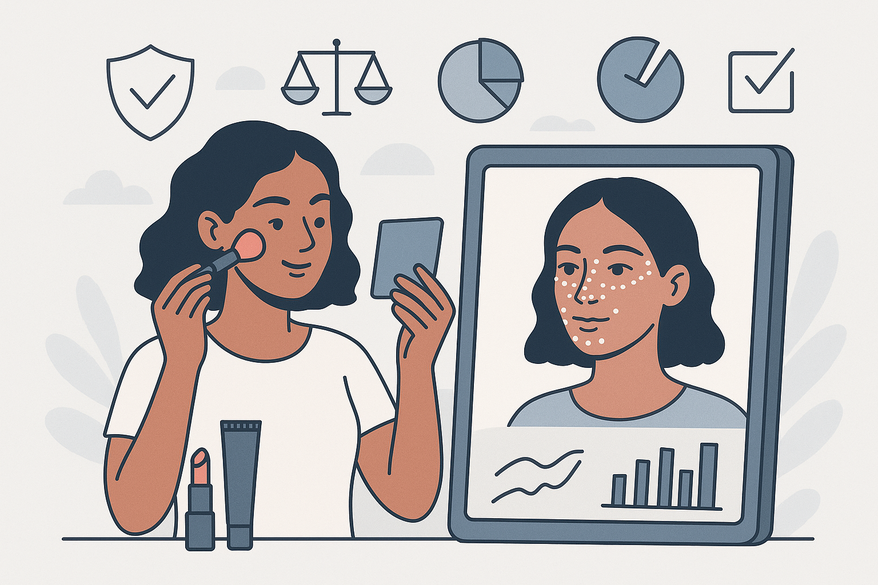
AI transforms cosmetics by applying machine learning, computer vision, and natural language processing to beauty data. These intelligent tools can analyze selfies, ingredient lists, and online reviews to spot trends, match shades, and flag potential biases.
Key AI Applications:
- Shade Matching: Matches skin tones across diverse lighting and detects color drift.
- Skin Analysis: Assesses dryness, redness, and blemishes; scores hydration and texture.
- Trend Forecasting: Scrapes social media for emerging looks and predicts seasonal palettes.
- Ingredient-Name Standardization: Maps slang names to INCI codes and flags banned chemicals.
- Color-Drift Detection: Monitors formula stability, alerting for oxidation or separation.
AI dashboards provide real-time views of formulation performance, ethical sourcing ratings, and fairness indicators—helping consumers choose honest brands while guiding companies to improve products and policies.
Learn more about personalized AI beauty advice in this guide.
Exploring AI Metrics in Makeup
AI metrics quantify transparency across multiple dimensions:
- Technical Performance: Accuracy, precision, recall, and F1-score for shade matching; coverage uniformity via computer vision.
- Fairness & Bias: Error gaps across skin tones, ages, genders; disparate impact ratios to detect inequality.
- Explainability: SHAP or LIME feature attributions (e.g., undertone, redness) and visual heatmaps.
- Ingredient Safety: Transparency scores based on origin and purity; verified provenance certificates.
- Consumer Sentiment: NLP-based satisfaction indices from reviews and return/refund rates.
Concrete examples include computer vision assessments for coverage uniformity, transfer resistance tests on masks, sustainability indices measuring water and energy use, and ΔE color drift analysis.
For a deeper dive into understanding AI makeup metrics, explore this resource.
How Transparent Makeup AI Metrics Intersect
AI-driven audits rigorously verify every transparency claim:
- Ingredient Clarity: Cross-checks against public databases, flagging hidden dyes or parabens.
- Supply-Chain Documentation: Uses blockchain or certificates to confirm origin and track carbon footprint.
- Algorithmic Fairness: Tests shade recommendations across demographics to ensure equitable match quality.
These audits benefit everyone: consumers gain trust and access to safer, unbiased recommendations, while brands achieve superior quality control, regulatory compliance, and stronger consumer engagement.
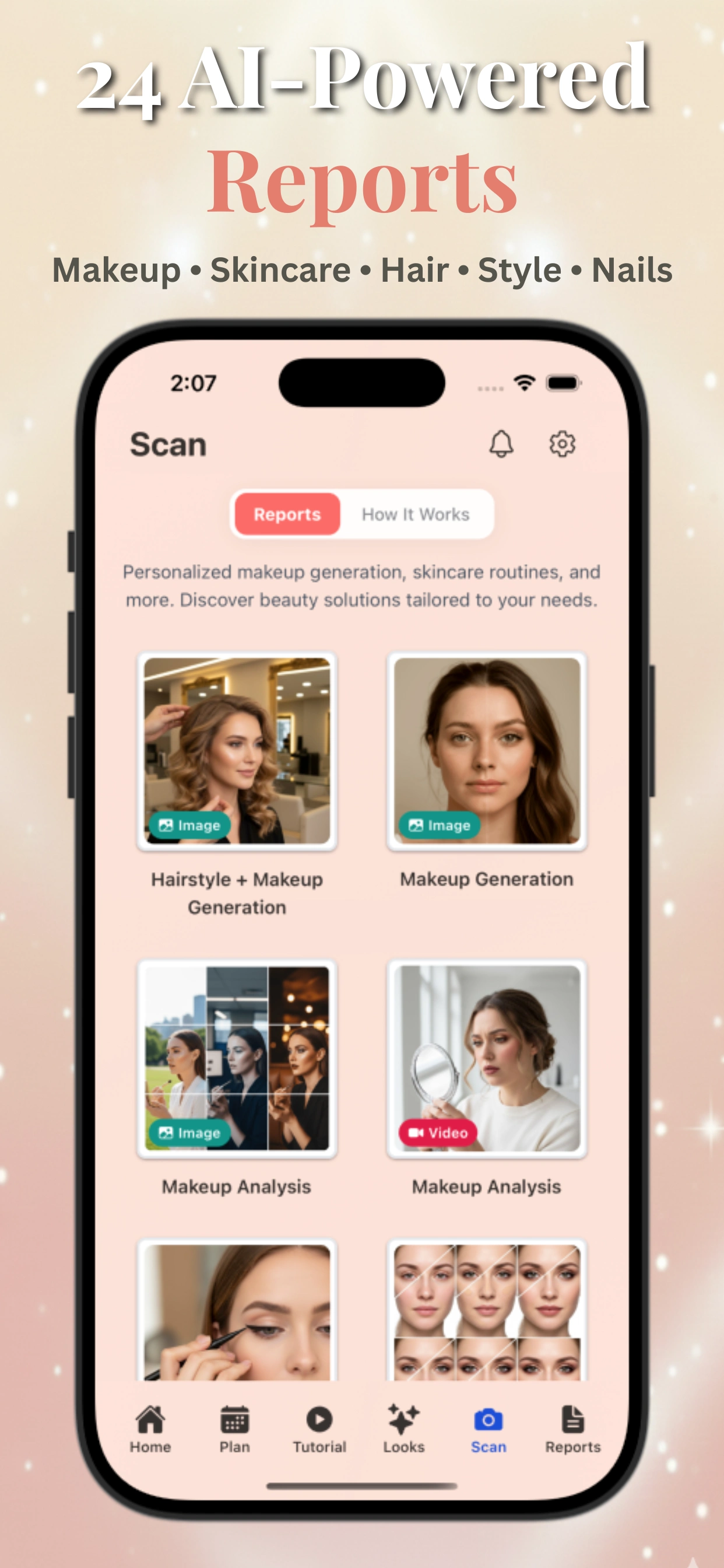
Real-World Use Case: Makeup Check AI offers a transparent dashboard that displays fairness metrics and SHAP explanations for shade matches, preventing bias in virtual try-ons and tracking model drift with clear logs.
Future Trends and Developments
Emerging Trends:
- Personalized transparency dashboards with user-specific ingredient and ethics scores.
- Blockchain for ingredient provenance, creating immutable farm-to-factory records.
- Standardized AI labels that provide uniform badges for algorithmic accountability.
- Advanced impact metrics tracking purchase completions and repeat-use rates.
Consumer and Regulatory Drivers:
- Routine publishing of inspectable bias scores.
- Regulatory pushes for open-source model audits.
- Adoption of “right to explanation” AI policies by brands.
Predicted Innovations:
- AI-driven shade design informed by social data.
- Real-time carbon footprint updates per product.
- Cross-industry standards for fairness and safety.
See how transparency and ethics shape the future.
Conclusion and Key Takeaways
Transparent makeup AI metrics bridge product truth and data. By providing auditable scores on performance, fairness, explainability, safety, and sustainability, brands foster trust with clear dashboards, and consumers enjoy safer, bias-free makeup choices.
- Transparent makeup demands full ingredient lists, ethical sourcing, and verifiable claims.
- AI in cosmetics utilizes ML, computer vision, and NLP to deliver in-depth analyses.
- Core metrics span technical performance, fairness, explainability, safety, and sentiment.
- AI audits ensure claims align with reality, benefitting brands and consumers alike.
- The future encompasses blockchain provenance, standardized AI labels, and real-world impact tracking.
FAQ
Q: What defines transparent makeup?
A: Transparent makeup provides full ingredient disclosure, ethical sourcing details, and verifiable performance data.
Q: How does AI enhance transparency in cosmetics?
A: AI analyzes large datasets—selfies, ingredient lists, reviews—to power shade matching, detect bias, and forecast trends, all visible via dashboards.
Q: Which metrics matter most for transparent makeup AI?
A: Focus on technical performance (accuracy, coverage), fairness & bias, explainability, ingredient safety, and consumer sentiment.
Q: How can brands implement these metrics?
A: Integrate AI dashboards, audit ingredient databases, employ blockchain for provenance, and regularly test for algorithmic fairness.
Q: What are the upcoming trends in AI-powered beauty transparency?
A: Expect personalized dashboards, immutable provenance records with blockchain, standardized AI accountability badges, and impact metrics on usage and sustainability.