Transparent Makeup AI Metrics: A Comprehensive Guide
Explore transparent makeup AI metrics to enhance trust, safety, and performance in beauty products. Learn how AI drives transparency and reliability.


Estimated reading time: 8 minutes
Key Takeaways
- Transparent Makeup AI Metrics quantify fairness, safety, performance, and accountability in beauty products and AI tools.
- AI-driven scores turn vague marketing claims into audifiable, data-driven insights.
- Clear transparency metrics foster consumer trust, regulatory compliance, and market differentiation.
- Real-world case studies demonstrate a 40% reduction in shade mismatches through inclusive algorithms.
- Emerging standards like blockchain provenance and formal AI audits will shape the next wave of transparency.
Table of Contents
- Why Transparency Matters
- How AI Drives Transparency
- Understanding Transparent Makeup AI Metrics
- The Role of AI in Transparent Makeup AI Metrics
- What Are AI Metrics in Transparent Makeup AI Metrics
- Case Studies and Applications of Transparent Makeup AI Metrics
- Benefits and Challenges of Implementing Transparent Makeup AI Metrics
- Conclusion and Future Directions
Why Transparency Matters
- Honest ingredient disclosure and ethical sourcing build consumer confidence.
- Unbiased AI tools prevent greenwashing and ensure inclusivity across all skin tones.
- Brands gain improved R&D insights and differentiation through clear, data-backed metrics.
For an in-depth look at how transparency and ethics drive modern beauty, see our post on Building Trust in Beauty Tech: Why Transparency and Ethics Matter.
How AI Drives Transparency
AI processes vast datasets on ingredients, skin tones, and user feedback to generate actionable scores:
- Fairness scores for shade matching and formula recommendations
- Safety indices that flag allergens or harmful compounds
- Performance metrics such as accuracy, precision, recall, and F1-score
Read more about the core methods behind these quantitative indicators in our previous guide to Understanding AI Makeup Metrics.
Understanding Transparent Makeup AI Metrics
Transparent makeup means full disclosure of formula components, including:
- All INCI ingredients and potential allergens
- Sourcing provenance and ethical production practices
- Safety testing data and efficacy results
- Sustainability metrics such as carbon footprint and water usage
Brands commit to clear marketing claims supported by test data, avoiding vague terms like “fragrance blends.” Consumers expect informed choices for skin health, performance, and inclusivity across demographics.
The Role of AI in Transparent Makeup AI Metrics
AI applications in cosmetics span:
- Computer Vision – Virtual try-ons and precise shade matching
- Natural Language Processing (NLP) – Sentiment analysis on reviews and automated claim tagging
- Recommender Systems – Collaborative filtering for personalized product suggestions
Key data sources include selfies for facial feature extraction, ingredient databases for provenance, and consumer feedback for sentiment trends. Advances now include ΔE color-drift analysis, predictive shade forecasting, and continuous drift detection.
What Are AI Metrics in Transparent Makeup AI Metrics
AI metrics are quantitative indicators that assess system performance, fairness, explainability, and real-world impact for makeup analysis tools. They validate transparency claims, ensure algorithmic reliability, and enable external audits.
- Accuracy: Percentage of correct shade matches under varied lighting
- Precision: True positives divided by all positives, reducing false flags
- Recall: True positives over actual positives, ensuring all concerns are identified
- F1-Score: Harmonic mean of precision and recall for balanced evaluation
Case Studies and Applications of Transparent Makeup AI Metrics
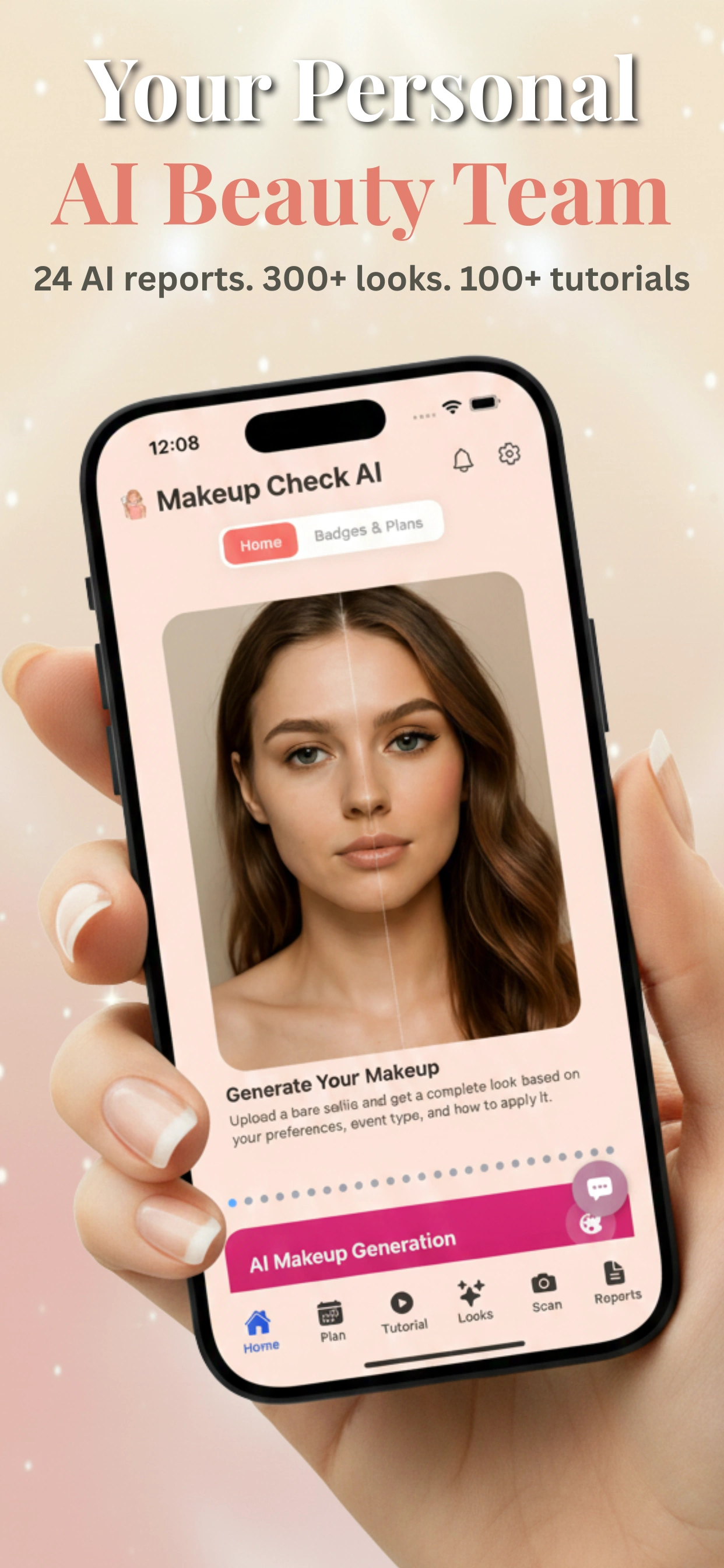
Example 1 – Makeup Check AI Dashboard
• Tracks shade match accuracy by skin tone and fairness ratios.
• Monitors sustainability scores through an end-to-end pipeline from selfies to auditable reports.
Outcome: Inclusive recommendations reduced mismatch rates by 40%.
Benefits and Challenges of Implementing Transparent Makeup AI Metrics
Implementing these metrics enhances consumer trust with auditable dashboards, improves product safety via bias detection, drives R&D innovation, and ensures regulatory readiness. Challenges include data quality, algorithmic bias, integration complexity, and privacy concerns.
Conclusion and Future Directions
Transparent makeup AI metrics synthesize performance, fairness, explainability, and consumer sentiment to validate product honesty and AI reliability. Emerging standards like blockchain provenance and formal AI audit frameworks will shape the next generation of transparency tools.
Learn how to explore these metrics firsthand in Makeup Check AI, your complete AI beauty team with 24 reports, 100+ tutorials, and personalized beauty plans.
FAQ
- What are Transparent Makeup AI Metrics?
They are quantifiable scores that measure fairness, safety, performance, and accountability in both cosmetic products and the AI systems evaluating them. - How are these metrics calculated?
By processing datasets on ingredients, skin tones, user feedback, and lab tests to produce scores like accuracy, precision, recall, and F1-score. - Why should brands adopt these metrics?
To foster consumer trust, meet regulatory standards, differentiate products, and drive R&D innovation with data-backed insights. - How can consumers use these scores?
By referring to transparent dashboards and safety indices to make informed choices about product performance, inclusivity, and sustainability.