Transparent Makeup AI Metrics: Building Trust Through Data
Explore how transparent makeup AI metrics transform beauty claims into trustworthy data, enhancing consumer trust through ingredient clarity and ethical sourcing.


8 min read
Key Takeaways
- Definition: Transparent makeup AI metrics turn vague beauty claims into auditable data on safety, fairness, and performance.
- Core Pillars: Ingredient clarity, ethical sourcing, product efficacy, and algorithmic accountability.
- AI Role: Machine learning and computer vision power virtual try-ons, shade matching, and safety audits.
- Benefits: Builds consumer trust, guides brand R&D, and ensures regulatory compliance.
- Future Outlook: Standardized transparency labels, personalized dashboards, and blockchain provenance.
Table of Contents
- Introduction
- Understanding Transparent Makeup
- The Role of AI in Measuring Makeup Quality
- Exploring AI Metrics in the Makeup Industry
- Benefits of Adopting Transparent Makeup AI Metrics
- Case Studies and Real-World Applications
- Challenges and Ethical Considerations
- Future Trends in Transparent Makeup and AI
- Conclusion
Transparent makeup AI metrics are data-driven measures that reveal how honest, safe, fair, and effective both makeup products and their supporting AI systems really are. These metrics turn vague marketing claims into auditable numbers, giving consumers real trust in beauty. They cover ingredient clarity, ethical sourcing, product performance, and algorithmic decisions. Clear numbers on ingredients, testing, sustainability, and AI fairness matter for both shoppers and brands. For a deep dive into how AI evaluates makeup applications and fairness, see Understanding AI Makeup Metrics.
Understanding Transparent Makeup
The concept of transparent makeup rests on three pillars:
- Product ingredients
- Full INCI lists, flagged allergens, and disclosed active levels.
- No vague “fragrance blends” or hidden irritants.
- Manufacturing & sourcing
- Provenance of raw materials with ethical certificates.
- Safety, stability test proof and sustainability data (carbon footprint, water use).
- Marketing & claims
- Every “clean” or “24-hr wear” claim backed by test data.
- Clear note when advice comes from AI versus human experts.
- No misleading virtual-try-on images or dark patterns.
The Role of AI in Measuring Makeup Quality
In beauty, AI harnesses machine learning, computer vision, and NLP to:
- Power virtual try-ons and shade matching.
- Analyze skin conditions like redness or spots.
- Flag unsafe ingredients and extract claim data.
- Mine reviews to score performance, irritation, and longevity.
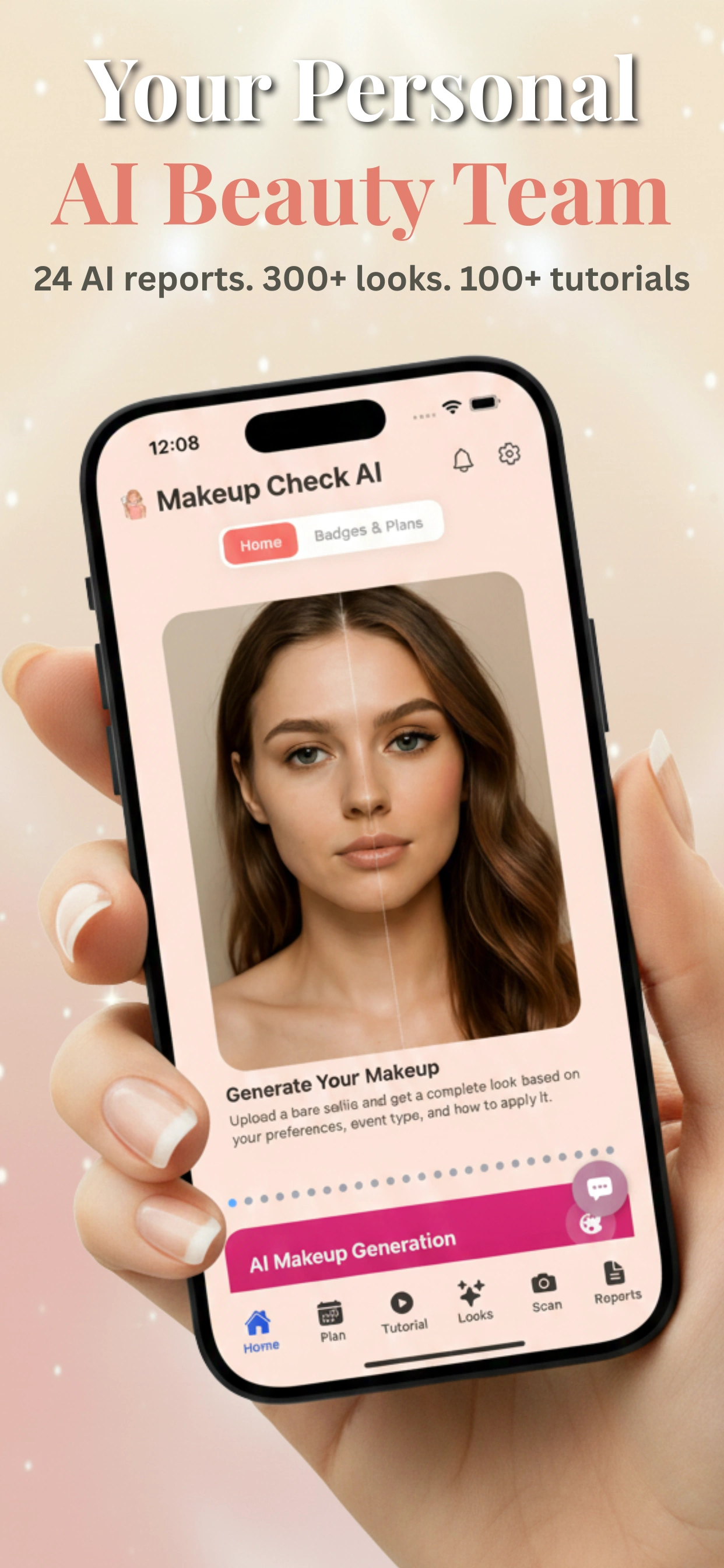
Tools like Makeup Check AI deliver explainable dashboards that break down accuracy, fairness, and safety scores into clear visuals, ensuring brands and consumers alike can audit every claim.
Exploring AI Metrics in the Makeup Industry
Ingredient transparency & traceability metrics
- Ingredient transparency score: Percentage of ingredients with verified INCI names, origin certificates, and safety docs.
- Allergen disclosure rate: Ratio of known allergens clearly labeled.
- Supply-chain traceability index: Coverage of batch-level sourcing data.
Safety & sustainability metrics
- Safety verification rate: Share of ingredients with up-to-date regulatory checks.
- Sustainability indices: Carbon footprint, water usage, recyclability scores.
Technical performance metrics
- Shade-match accuracy: Percentage of correct matches under varied lighting.
- Coverage uniformity: CV score of even application.
- Color drift & oxidation rate: ΔE change over time in wear tests.
- Transfer resistance & wear-time: Change in coverage over hours.
Fairness & bias metrics (see also Traditional Makeup vs AI Analysis)
- Error gap: Difference in error rates across skin tones, ages, genders.
- Demographic parity ratio: Equity of recommendations for different groups.
Benefits of Adopting Transparent Makeup AI Metrics
For Consumers
- Enhanced trust via inspectable scores fights greenwashing and bias.
- Informed choices thanks to dashboards on ingredients, safety, and shade accuracy.
- Better safety and inclusivity as AI flags allergens and performance gaps before launch.
For Brands
- Data-driven R&D: wear, oxidation, and irritation data guide faster reformulation.
- Stand out in market with published transparency and fairness scores.
- Protect reputation and comply with regulations through continuous monitoring.
- Boost efficiency: fewer reform cycles, quicker time to market.
Case Studies and Real-World Applications
Virtual Try-On Fairness Dashboard
- AI metrics used: shade-match accuracy, error gap across skin tones.
- Outcomes: 20% drop in mismatch for darker tones, 15% fewer returns.
Wear-Test Automation
- AI metrics: ΔE color drift, coverage uniformity, transfer resistance.
- Outcomes: Underperformers reformulated pre-launch, saving months of reformulation.
Challenges and Ethical Considerations
- Data Privacy & Consent: Selfies and skin data are sensitive; anonymization and opt-in protocols are key.
- Algorithmic Bias: Diverse datasets and fairness-aware training mitigate under-representation.
- Qualitative Aspects: Comfort, scent, and self-esteem need human review supplements.
- Explainability vs. Complexity: SHAP/LIME and model cards balance depth and clarity.
Future Trends in Transparent Makeup and AI
- Standardized AI transparency labels like nutrition panels, showing safety, fairness, and performance scores.
- Personalized transparency dashboards for each user with real-time updates.
- Blockchain-based ingredient provenance and audit trails for independent verification.
- Multimodal AI combining images, text, and sensor data for live irritation and wear metrics.
- New regulations mandating documented fairness, safety, and explainability metrics in beauty AI.
Conclusion
Transparent makeup AI metrics unify ingredient clarity, ethical sourcing, product performance, and algorithm accountability. They turn vague marketing language into numbers you can trust. For consumers, this means safer, more inclusive, and more predictable products. For brands, it means stronger differentiation, faster development, and better regulatory protection. Embrace transparent makeup AI metrics now to build real trust and lead the future of beauty.
FAQ
- What are transparent makeup AI metrics?
Transparent makeup AI metrics are quantifiable measures that assess the honesty, safety, fairness, and effectiveness of both makeup products and their AI-driven features. - Why should consumers care about these metrics?
They provide inspectable scores on ingredients, performance, and algorithmic bias—helping shoppers make informed, safe, and inclusive choices. - How do brands implement transparent AI metrics?
Brands integrate AI tools for virtual try-ons, shade matching, and safety audits, then publish scores on dashboards or labels for full visibility. - What challenges exist in adopting these metrics?
Major hurdles include data privacy, algorithmic bias, balancing explainability with complexity, and incorporating qualitative feedback from experts. - What is next for AI in beauty transparency?
Expect standardized labels, personalized dashboards, blockchain provenance, and regulations mandating documented fairness and safety metrics.