Understanding Transparent Makeup AI Metrics: Building Trust Through Data-Driven Transparency
Explore how transparent makeup AI metrics drive trust and inclusivity in beauty by auditing accuracy, fairness, and sustainability, aligning brands with consumer demands.

Estimated reading time: 7 minutes
Key Takeaways
- Transparent AI metrics provide quantitative audits of ingredients, performance, fairness, and explainability.
- Brands that disclose data-driven metrics build consumer trust, reduce returns, and accelerate time-to-market.
- AI-driven tools standardize shade matching, ingredient clarity, and bias detection across diverse skin tones.
- Challenges include data quality, user privacy, algorithmic bias, and over-reliance on automated systems.
- Future trends point to real-time transparency dashboards, explainability mandates, and global regulatory standards.
Table of Contents
- Introduction
- Section 1: Understanding Transparent Makeup
- Section 2: Exploring AI Metrics in the Makeup Industry
- Section 3: The Intersection of Transparency and AI Metrics
- Section 4: Benefits and Challenges of Transparent Makeup AI Metrics
- Section 5: Future Trends and Innovations in AI Metrics
- Conclusion
- FAQ
Introduction
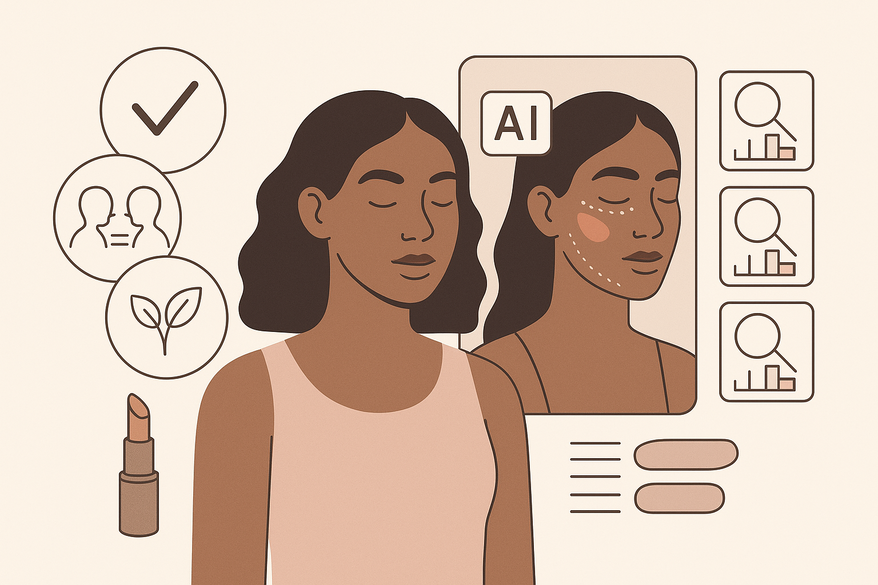
Transparent makeup AI metrics are quantitative measures—such as accuracy, fairness, explainability, and data quality scores—that audit how honestly and effectively beauty brands and AI-driven tools disclose ingredients, ethical sourcing, performance claims, and sustainability. As consumers grow more savvy, they demand verifiable transparency. Today’s AI—from computer vision for shade matching to natural language processing for sentiment analysis—turns vague marketing claims into auditable numbers that boost trust, reduce returns, and raise industry standards.
Brands that prioritize clear AI metrics not only comply with global regulations but also stand out in a crowded market. For deeper insights on how transparency and ethics drive consumer loyalty, see Building Trust in Beauty Tech: Why Transparency and Ethics Matter. To explore broader performance standards, check out AI-Driven Cosmetic Performance Metrics: Revolutionizing Beauty with Data and AI.
Section 1: Understanding Transparent Makeup
What Is Transparent Makeup?
Transparent makeup means full disclosure of ingredients, ethical sourcing, honest marketing claims, and verifiable performance audits via AI.
Why Consumers Demand Transparency
- Hidden Allergens: Fear of skin reactions from undisclosed chemicals
- Shade Matching Bias: Limited or inaccurate shade ranges harm inclusivity
- Greenwashing: Brands claiming eco-friendliness without proof
- Self-Image and Health: Inconsistent results across skin tones affect confidence
Brand and Consumer Benefits
- Regulatory Compliance: Meets EU and global labeling laws
- Reduced Returns: Up to 25% fewer product returns
- Faster Launches: 20% quicker time-to-market
- Inclusive and Safe Products: Builds loyalty among diverse groups
Section 2: Exploring AI Metrics in the Makeup Industry
Defining AI Metrics
AI metrics are indicators that evaluate algorithm performance (accuracy, recall), fairness (bias gaps), explainability (feature attribution), sustainability (toxicity risk scores), and engagement (sentiment indices).
Concrete Metric Examples
- Coverage Uniformity: Measures evenness of foundation application
- Color Drift (ΔE): Tracks shade change under varied lighting
- Oxidation Index: Quantifies color shift after air exposure
- Transfer Resistance: Assesses staying power on skin or fabrics
Section 3: The Intersection of Transparency and AI Metrics
Integrating AI Metrics into Transparency Frameworks
AI metrics audit the entire product lifecycle: ingredient clarity, supply-chain sourcing, shade recommendations, and performance claims.
Case Study: Makeup Check AI Pipeline
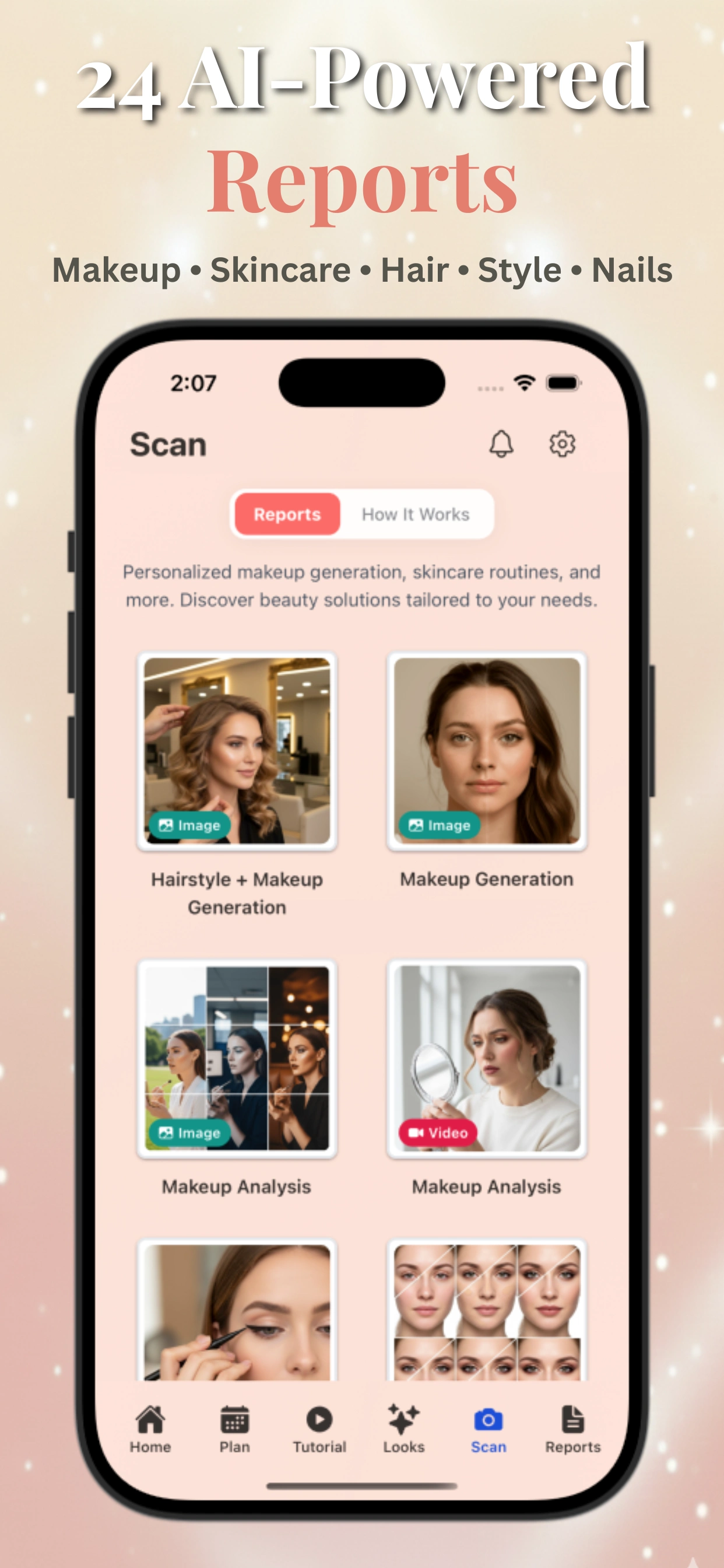
Makeup Check AI standardizes and scores ingredient lists, calculates fairness gaps, and displays interactive dashboards for shade-matching accuracy and ingredient safety. Consumers can drill down into each metric for full transparency.
Tools like Makeup Check AI exemplify this approach by providing 24 AI-powered reports—from shade matching to ingredient analysis—helping brands prove trustworthiness to consumers and regulators alike.
Section 4: Benefits and Challenges of Transparent Makeup AI Metrics
Key Benefits
Consumers enjoy safer products, bias-free recommendations, higher satisfaction, and fewer returns. Brands gain increased trust, streamlined compliance, a competitive edge, and faster audits and launches.
Major Challenges
- Data Quality Issues: poor images, incomplete supply-chain logs
- Privacy Concerns: securing selfies and questionnaire data
- Training Bias: skewed datasets perpetuate fairness gaps
- Over-Reliance on AI: neglecting human oversight risks errors
Solutions and Best Practices
- Continuous Monitoring: drift detection for models
- Diverse Test Sets: stratified samples across demographics
- Consent and Anonymization: clear opt-in and data masking
- Hybrid Validation: combine AI with expert human review
Section 5: Future Trends and Innovations in AI Metrics
Emerging Technologies
- Advanced Computer Vision: predicting shade preferences and ingredient interactions
- NLP Recommendation Engines: crafting personalized formulas
- Real-Time Sustainability Dashboards: tracking carbon footprint and water usage
Shifting Consumer Expectations
- Mandatory Explainability: demands for “how” and “why” behind AI decisions
- Fairness by Design: inclusive product lines co-created with diverse groups
- Interactive Transparency Reports: web portals for metric breakdowns
Regulatory Outlook
- EU AI Act: enforces metric reporting and bias mitigation plans
- Global Standards: ISO protocols for cosmetic AI tools
- Governance Frameworks: aligning AI ethics with CSR policies
Conclusion
Transparent makeup AI metrics unify ingredient clarity, ethical sourcing, and performance audits into scores for accuracy, fairness, explainability, safety, and sustainability. This data-driven approach fosters consumer trust, elevates product quality, ensures regulatory compliance, and drives inclusivity. Brands that adopt tools like Makeup Check AI gain a competitive edge, while consumers benefit from safer, bias-free beauty choices. Embrace transparent makeup AI metrics today to build trust, reduce returns, and set new industry benchmarks.
FAQ
What are transparent makeup AI metrics?
They are quantified measures—such as accuracy, fairness gaps, and explainability scores—that audit a product’s ingredients, performance claims, and ethical standards using AI.
How do brands implement these metrics?
Brands integrate AI-powered audits at every lifecycle stage—from ingredient sourcing to shade-matching algorithms—and publish interactive dashboards for consumer review.
What benefits do consumers gain?
Consumers receive safer, bias-free products, clearer ingredient disclosures, personalized shade recommendations, and reduced risk of allergic reactions or mismatched tones.
What challenges must be addressed?
Key challenges include ensuring high-quality training data, protecting user privacy, mitigating algorithmic bias, and maintaining human oversight alongside AI.
What’s next for AI transparency in beauty?
Expect real-time sustainability tracking, mandatory explainability mandates, global regulatory standards, and collaborative design processes that center diverse consumer needs.