Transparent Makeup AI Metrics: Revolutionizing Beauty Transparency
Explore how transparent makeup AI metrics enhance beauty transparency with data-driven insights on safety, fairness, and effectiveness, reducing greenwashing.

Estimated reading time: 7 minutes
Key Takeaways
- Transparent makeup demands full ingredient, sourcing & performance clarity.
- AI metrics quantify accuracy, fairness, explainability, safety & sustainability.
- Integrated pipelines combine NLP, computer vision & dashboards for audit-ready insights.
- Consumers gain safer, unbiased products; brands secure benchmarking & compliance.
- Future trends include personalized dashboards, blockchain provenance & auditable beauty tech.
Table of Contents
- Defining Transparent Makeup
- Understanding AI Metrics in the Beauty Industry
- Integration of Transparent Makeup and AI Metrics
- Benefits for Consumers and Brands
- Challenges, Considerations, and Future Trends
- Conclusion
- Next Steps
- FAQ
Defining Transparent Makeup
Keyword: transparent makeup
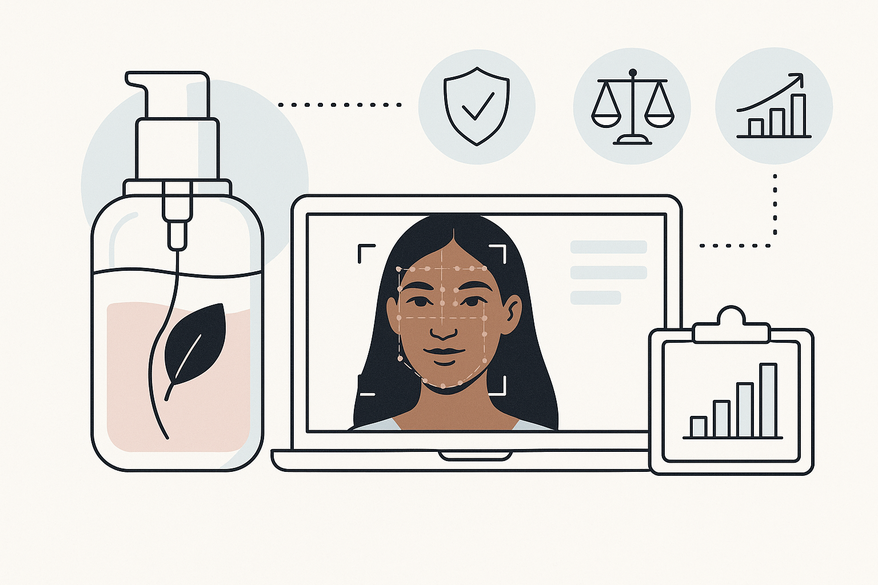
“Transparent makeup” refers to products that deliver full clarity on every front:
- Full ingredient disclosure – complete INCI lists with allergen and toxin flags
- Ethical sourcing – cruelty-free certifications and supply-chain traceability
- Performance data – wear-time studies, shade inclusivity metrics, oxidation rates
- Verifiable marketing claims – audit-ready statements backed by data
Consumer Expectations and Trust
Today’s buyers expect cosmetics to prioritize safety, sustainability, and ethics. Brands that openly share precise formula details, certified supply chains, and real performance data stand out. This level of transparency combats vague promises and greenwashing, strengthening customer trust and loyalty.
Understanding AI Metrics in the Beauty Industry
Keyword: AI metrics
AI metrics are quantitative indicators that measure algorithm performance, fairness, explainability, safety, and sustainability within makeup evaluation systems. These metrics translate complex AI outputs into actionable scores.
Common AI Metrics Categories:
- Technical Performance
Accuracy, precision, recall, F1-score for shade matching and ingredient classification; coverage uniformity, color drift (ΔE), and oxidation rates - Fairness and Bias
Error gaps, disparate impact ratios across skin tones, ages, and genders ensure equitable shade recommendations - Explainability
SHAP and LIME attributions highlighting decision factors; model cards and transparency indices - Safety and Sustainability
Ingredient transparency scores and safety verification rates; supply-chain documentation and carbon footprint indices - Consumer Metrics
NLP sentiment analysis from reviews, satisfaction indices, return rates; virtual try-on task success rates
How Metrics Work
AI systems ingest lab images, user selfies, ingredient databases, and feedback loops. They compute color differences (ΔE) to track product color drift, run NLP on reviews to gauge satisfaction, and flag potential allergens using ingredient-scoring models. This blend of computer vision, natural language processing, and data analytics reveals product strengths and weaknesses in real time.
To dive deeper into how AI models interpret makeup formulations, see our previous exploration.
Integration of Transparent Makeup and AI Metrics
Keyword: transparent makeup ai metrics
Describe pipeline step 1: NLP for Ingredient Analysis
• Parses complete INCI lists.
• Flags allergens and toxins by matching to regulatory databases.
• Generates safety scores and ethical sourcing indices.
Describe pipeline step 2: Computer Vision for Performance
• Captures high-resolution images of makeup application.
• Maps coverage uniformity and measures ΔE color drift.
• Tracks wear-time and oxidation through time-series photography.
Describe pipeline step 3: Interactive Dashboards
• Display clarity, safety, fairness, and sustainability KPIs.
• Offer drill-down views by skin tone, age group, and use case.
• Provide real-time bias monitoring and explainability logs.
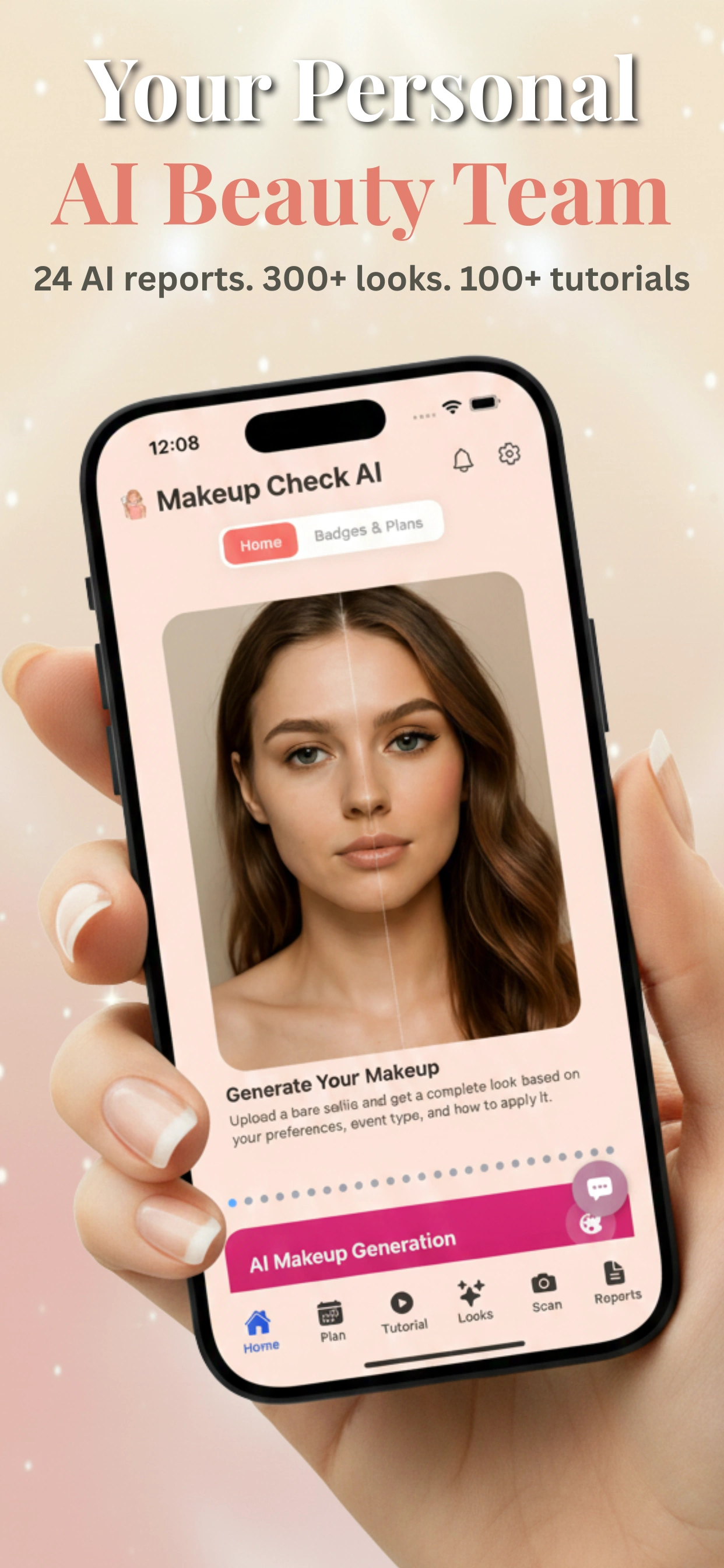
Makeup Check AI uses these pipelines to power dashboards that break down fairness parity across 12 skin tone categories, safety scores with allergen risk levels, and explainability logs showing which ingredients influenced AI shade recommendations.
Learn how brands leverage these insights to build consumer trust in our impact report.
Benefits for Consumers and Brands
Keyword: benefits, AI metrics
Benefits for Consumers
• Informed choices with transparency scores on user dashboards
• Safer, bias-free shade matching powered by fairness parity metrics
• Increased trust from data-backed marketing and verifiable claims
Benefits for Brands
• Objective benchmarking for R&D and faster formulation screening
• Regulatory compliance support with continuous audit logs and drift detection
• Market differentiation through documented transparency and sustainability metrics
Real-World Impact
Consumers using AI-powered dashboards report 30% higher satisfaction in shade matching and 25% fewer returns. Brands leveraging transparent makeup AI metrics cut formulation errors in half and speed product launch cycles by 20%.
Challenges, Considerations, and Future Trends
Keywords: challenges, future trends, AI metrics
Key Challenges
• Data Accuracy – Incomplete INCI lists can skew safety scores
• Algorithm Bias – Underrepresentation of certain skin tones leads to unfair recommendations
• Privacy & Compliance – Managing user selfie data raises data-protection concerns
• Regulatory Gaps – Lack of standardized AI transparency guidelines
Mitigation Strategies
• Stratified Testing – Use fairness diagnostics across all demographic groups
• User Feedback Loops – Gather continuous input on AI recommendations
• Data Anonymization – Protect privacy through secure hashing and encryption
• Standard Model Cards – Publish model details, training data profiles, and version histories
Emerging Trends
• Personalized AI Dashboards – Tailored transparency scores by user profile
• Blockchain Ingredient Provenance – Immutable logs of raw material sourcing
• Integrated Sustainability Metrics – Combine carbon, water, and biodiversity indices
• Fully Auditable Beauty Tech – End-to-end tracking from lab to face
Conclusion
Transparent makeup AI metrics unite full ingredient clarity with algorithmic accountability across accuracy, fairness, explainability, safety, and sustainability. This fusion empowers consumers with verifiable product insights and helps brands accelerate innovation, ensure compliance, and build lasting trust. As AI-driven transparency becomes the standard, seek makeup backed by auditable metrics and verified dashboards. Choose products that deliver real results—and real honesty—powered by transparent makeup AI metrics.
Next Steps
Ready to explore AI-powered beauty insights? Start your journey with AI Makeup App today, and discover the power of transparent metrics in your personal beauty routine.
FAQ
- What are transparent makeup AI metrics?
Transparent makeup AI metrics are quantifiable scores that evaluate cosmetic products and the algorithms analyzing them on ingredient clarity, ethical sourcing, performance, fairness, and safety. - How do brands benefit from these metrics?
Brands gain objective benchmarking for R&D, compliance support with continuous audit logs, faster formulation screening, and market differentiation through documented transparency. - What future trends should consumers watch?
Look for personalized AI dashboards, blockchain-based ingredient provenance, integrated sustainability indices, and fully auditable beauty tech from lab to face.