Transparent Makeup AI Metrics: How Brands Are Quantifying Transparency in Beauty Products
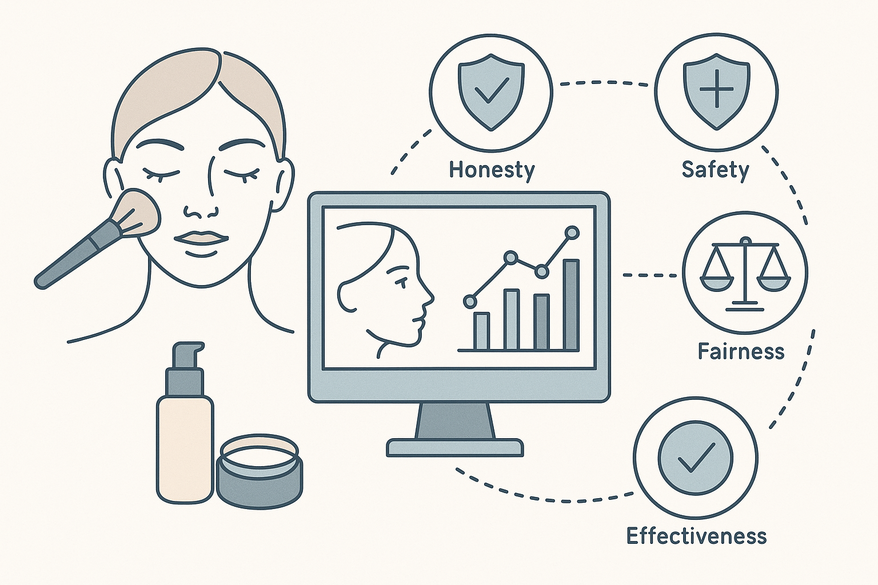
Discover how transparent makeup AI metrics quantify honesty, safety, fairness, and effectiveness in beauty products and reshape consumer trust.

Estimated reading time: 8 minutes
Key Takeaways
- Transparency demands full disclosure of ingredients, sourcing, manufacturing and performance data.
- AI metrics like accuracy, precision, recall, F1-score and explainability scores quantify fairness, safety and effectiveness.
- Real-time dashboards help brands showcase transparency scores, reduce returns and build trust.
- Challenges include data privacy, bias and lack of standardization; solutions involve anonymization, open-source tools and industry collaboration.
- Future trends span blockchain provenance, consumer-facing transparency apps and AI governance dashboards.
Table of Contents
- Key Takeaways
- Table of Contents
- Section 1: Understanding Transparent Makeup
- Section 2: Introducing AI Metrics in the Makeup Industry
- Section 3: How Transparent Makeup Benefits from AI Metrics
- Section 4: Case Study: Makeup Check AI in Action
- Section 5: Challenges and Considerations for AI Adoption
- Section 6: Future Trends and Opportunities
- Conclusion
- FAQ
Section 1: Understanding Transparent Makeup
What Is Transparent Makeup?
Transparent makeup means full disclosure of:
- Ingredient lists – complete INCI names, allergens and toxins
- Ethical sourcing – cruelty-free certifications and supplier traceability
- Production processes – manufacturing steps and sustainability practices
- Performance data – wear time and shade inclusivity
Why It Matters – Consumer Trends:
- Avoid vague “fragrance blends” and hidden risks
- Social media scrutiny and regulatory pressure (FDA/EU norms)
Benefits of Makeup Transparency
For Consumers:
- Safer, inclusive products with reduced allergen exposure
- Better shade choices and confidence in ethical sourcing
For Brands:
- Enhanced credibility and brand trust
- Reduced returns and competitive differentiation via interactive dashboards
For a deeper dive into this concept, visit Understanding Transparent Makeup AI Metrics.
Section 2: Introducing AI Metrics in the Makeup Industry
Defining AI Metrics
AI metrics are quantitative indicators—accuracy, precision, recall and F1-score—used to evaluate AI performance, fairness, explainability and transparency.
How AI Analyzes Makeup Data
- Product composition – NLP ingredient scoring for toxicity and purity
- Shade matching – computer vision algorithms for skin-tone accuracy
- Consumer feedback – sentiment analysis via natural language processing
- Regulatory compliance – supply-chain documentation parsing
Key Data Types and Metrics
- User selfies + skin analysis → shade accuracy (%) and fairness gaps (F1-score, error rate)
- Ingredient databases + sourcing logs → toxin verification rates and ethical sourcing percentage
- Feedback loops → NLP sentiment scores and Net Promoter Score (NPS)
- Explainability tools → SHAP/LIME attributions for AI recommendations
Section 3: How Transparent Makeup Benefits from AI Metrics
Practical Applications
- Ingredient origin tracking – measure carbon footprint and verify safety tests (transparency %, safety verification rate)
- Sustainability monitoring – ΔE color-drift analysis for oxidation, sustainability index scores
- Regulatory compliance – alignment scores against FDA/EU norms
Quality Control Improvements
- Computer vision to assess coverage uniformity, blendability and batch consistency (defect rate reduction %)
Consumer Trust and Brand Reputation
- Real-time dashboards display fairness and performance metrics, lowering return rates and boosting satisfaction
- Objective benchmarking speeds R&D cycles and reduces time-to-market
Section 4: Case Study: Makeup Check AI in Action
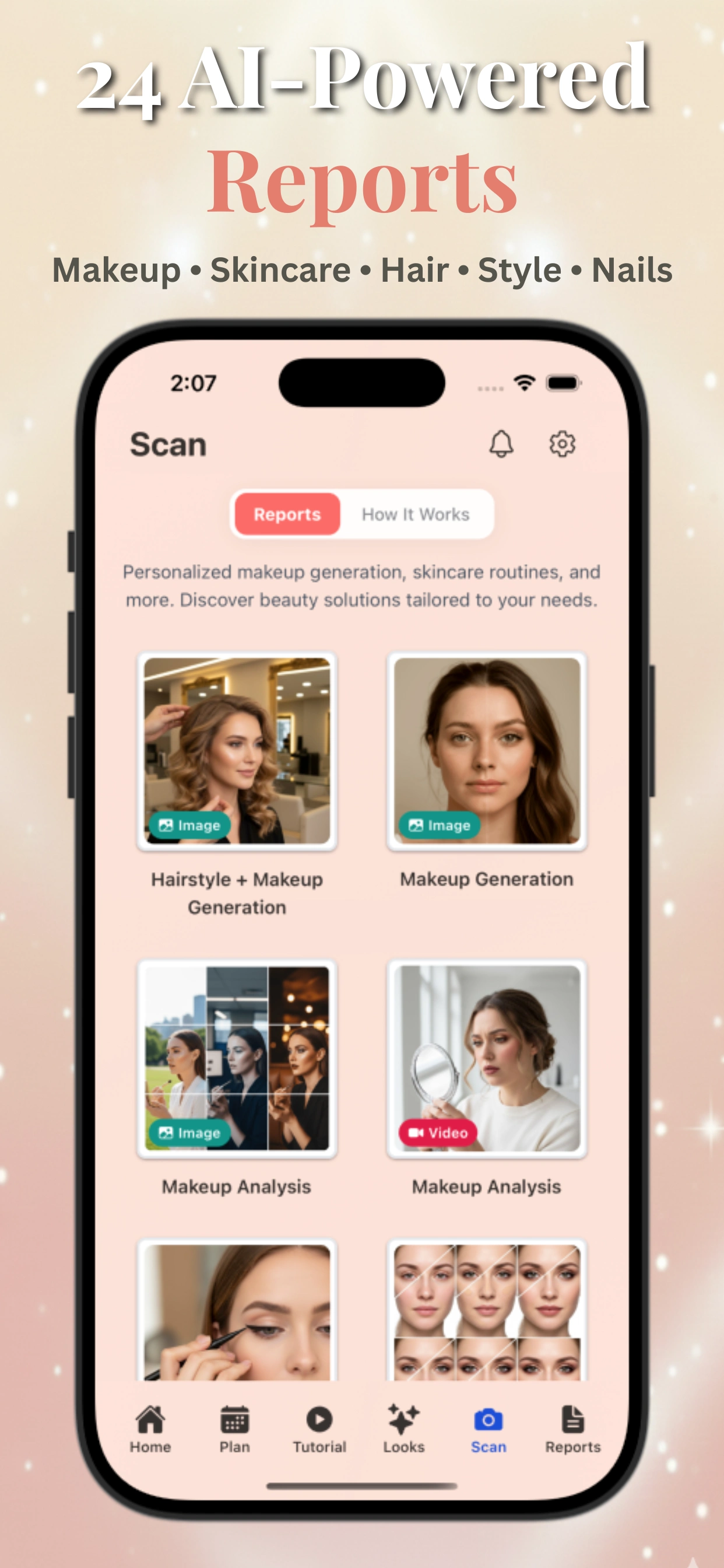
Makeup Check AI Platform Overview
- Interactive dashboards on shade-matching accuracy by skin tone
- Ingredient clarity scores with full INCI breakdown
- SHAP explainability views for each AI recommendation
Hypothetical User Flow
- User uploads selfie → tone extraction → compute fairness ratio (error gap <5 %)
- Real-time update of transparency score → customer sees improved match
For brands exploring AI-driven transparency dashboards, platforms like Makeup Check AI illustrate how automated reporting surfaces ingredient safety and shade inclusivity scores in real time.
Section 5: Challenges and Considerations for AI Adoption
Key Challenges
- Data privacy concerns – anonymizing selfies and GDPR compliance
- Adoption barriers for SMBs – cost of AI tools and technical expertise
- Risk of biased training data leading to fairness issues
Limitations to Address
- Lack of standardized industry metrics → inconsistent transparency scoring
- Complexity overload for end users (too many technical metrics)
- Regulatory gaps across regions
Recommendations
- Use anonymization preprocessing libraries (face blur, metadata scrub)
- Leverage open-source tools (SHAP, LIME) to explain AI outputs
- Collaborate on industry standard frameworks for transparency metrics
- Implement continuous feedback loops for metric validation
Section 6: Future Trends and Opportunities
Emerging Technologies
- Blockchain + AI for immutable provenance tracking
- Enhanced algorithms for fairness diagnostics and NLP claim extraction
- Consumer-facing apps with real-time transparency scores and interactive metric views
Brand Strategies
- Adopt governance dashboards to audit fairness regularly
- Publish AI labels on packaging showing core metrics (accuracy, fairness, sustainability)
- Use engagement analytics to predict transparency trends and drive proactive communication
Learn more about how trust and transparency drive consumer confidence at Trust in Beauty Tech Transparency.
Conclusion
Synergy between transparent makeup practices and AI metrics delivers clarity, fairness, safety and sustainability scores that build stronger brand trust and ensure regulatory compliance. Brands gain faster innovation cycles, while consumers access safer, more inclusive beauty.
Actionable takeaways:
- Implement metric dashboards for real-time transparency insights
- Perform regular fairness audits using tools like SHAP and LIME
- Leverage AI-driven transparency solutions for metric-driven transparency and better shade matching
FAQ
What are transparent makeup AI metrics?
They quantify honesty, safety, fairness and effectiveness of beauty products using data-driven measures like accuracy, precision and explainability scores.
How do AI metrics improve shade matching?
By analyzing user selfies and product images through computer vision to measure shade accuracy and fairness gaps (e.g., F1-score).
What challenges exist in adopting these metrics?
Key hurdles include data privacy concerns, potential bias in training data and lack of standardized scoring across the industry.
How can brands start implementing transparency frameworks?
Begin by anonymizing personal data, leveraging open-source explainability libraries (SHAP, LIME) and collaborating on industry-wide transparency standards.