Transparent Makeup AI Metrics: Measuring Cosmetic Openness
Discover how transparent makeup AI metrics enhance trust and compliance by providing measurable evidence of ingredient safety, fairness, and efficacy.

Estimated reading time: 10 minutes
Key Takeaways
- Transparent AI metrics transform marketing claims into auditable data.
- Consumers demand ingredient honesty, fairness, and sustainability in cosmetics.
- AI metrics cover performance, fairness, explainability, safety, and supply-chain measures.
- Implementing these metrics enhances trust, compliance, and product quality.
- Future trends include AI labels, blockchain provenance, and consumer dashboards.
Table of Contents
- Introduction
- 1. The Need for Transparent Makeup
- 2. Understanding Makeup AI Metrics
- 3. How AI Is Transforming Transparent Makeup AI Metrics
- 4. Key Benefits and Challenges of AI Metrics
- 5. Future Trends in Transparent Makeup AI Metrics
- 6. Conclusion & Actionable Insights
Introduction
Transparent makeup AI metrics are data-driven measures that reveal a product’s honesty, safety, fairness, and effectiveness—both in the cosmetic formula and the AI systems powering consumer experiences. By converting buzzwords like “clean,” “cruelty-free,” or “inclusive shades” into quantifiable scores, brands can build a solid foundation of trust and compliance.
True transparency means full disclosure of INCI lists, ethical sourcing, environmental footprints, and algorithms behind shade-matching or skin diagnostics. This post guides brands through why transparency matters, which metrics to track, how AI reshapes workflows, benefits, risks, emerging trends, and actionable steps.
1. The Need for Transparent Makeup
Consumer Demand
- Shoppers now expect full ingredient disclosure, ethical sourcing, and lifecycle clarity.
- Past scandals—greenwashing, hidden allergens, or biased beauty tech—have driven calls for verifiable data.
Trust-Building
- Measurable dashboards and independent AI metrics substantiate claims like “vegan” or “inclusive shade range.”
- Visibility into accuracy, fairness, and safety scores fosters loyalty and reduces returns.
Regulatory Pressure
- The EU AI Act and cosmetic safety rules demand documentation of algorithm behavior, data quality, and ingredient safety.
- Brands must show fairness thresholds are met and formulations comply with chemical standards.
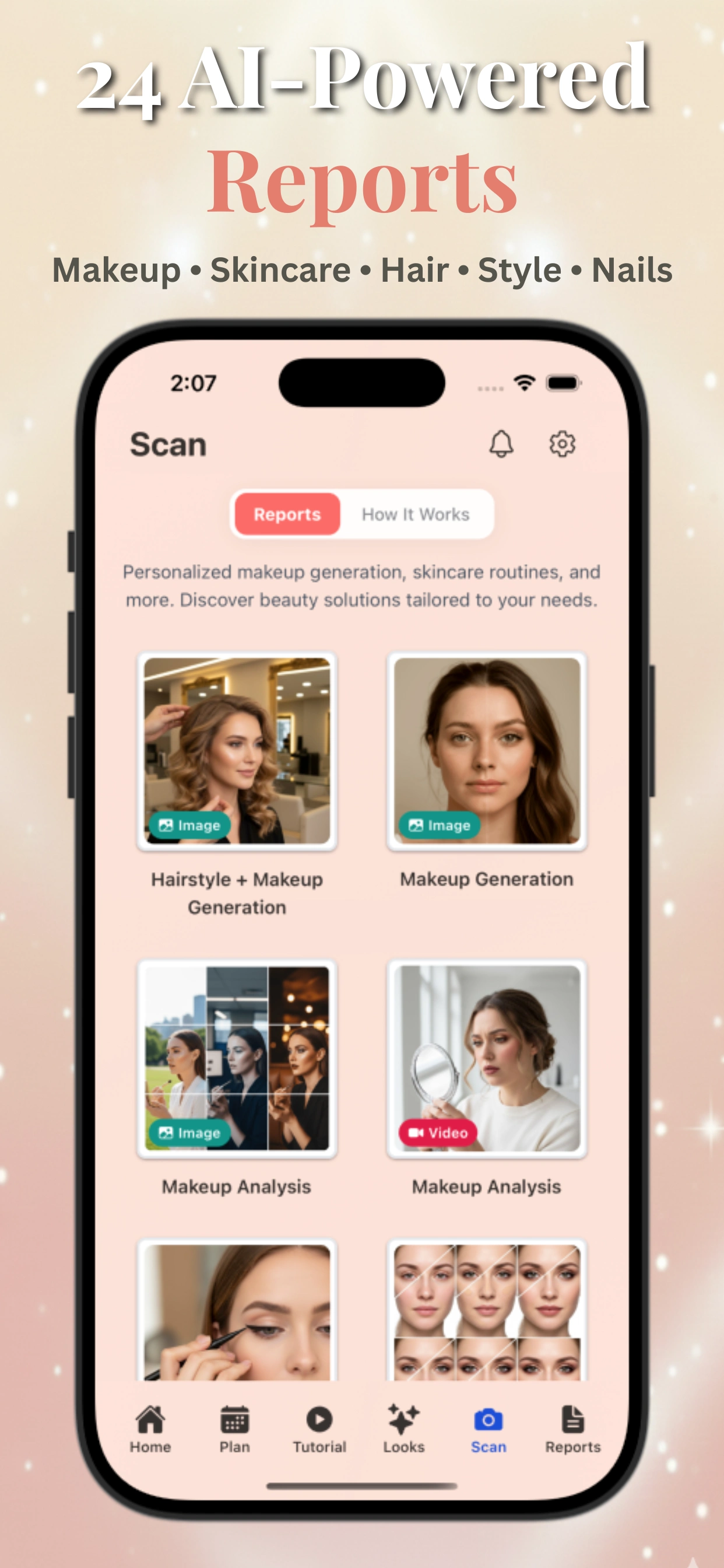
Brands can also leverage Makeup Check AI for automated, explainable reports on ingredient transparency and AI fairness scores.
2. Understanding Makeup AI Metrics
AI metrics are numerical scores tracking how systems gather, analyze, and interpret data in beauty use cases—virtual try-on, skin diagnostics, shade selection, review mining, and supply-chain checks. They quantify model performance and product transparency.
- Technical Performance Metrics
- Accuracy: Correct foundation shade match under varied lighting.
- Precision/Recall/F1-score: Skin-concern detection (e.g., acne vs. false positives).
- Fairness & Bias Metrics
- Error gaps: Performance differences across skin tones, ages, or genders.
- Demographic parity ratio: Equal recommendation rates for all groups.
- Explainability/Transparency Metrics
- SHAP/LIME: Feature-importance explanations (e.g., undertone flags).
- Model cards: Documentation completeness scoring.
- Ingredient & Safety Metrics
- Ingredient Transparency Score: % of formula with verified origin and safety data.
- Safety-Verification Rate: Portion of ingredients tested against toxicity databases.
- Sustainability & Supply-Chain Metrics
- Carbon footprint & water usage per batch.
- % of ethically sourced ingredients with certification.
- User-Centric & Sentiment Metrics
- Satisfaction scores and return rates for virtual try-on tools.
- NLP-based sentiment on irritation, shade mismatch, or wear comfort.
For deeper insights, See how AI evaluates your makeup or Learn more about data-driven cosmetic metrics.
3. How AI Is Transforming Transparent Makeup AI Metrics
Product Formulation
ML models optimize formulas for safety, stability, and sustainability using large ingredient and toxicity databases. Computer vision quantifies color drift, oxidation, and coverage uniformity, generating wear and finish consistency metrics.
Quality Control
Vision systems inspect shade consistency and detect texture defects, reporting real-time defect rates. AI also cross-checks label claims (e.g., “fragrance-free”) against regulatory databases to produce claim-verification scores.
Marketing & Consumer Experience
Virtual try-on and skin-analysis tools record accuracy, fairness, and satisfaction metrics by demographic segment. NLP analyzes social media and reviews to surface trust, irritation, and inclusivity themes, feeding transparency indices.
Case studies: Shade-matching AI achieves 93–95% accuracy with error gaps under 3 pp; ingredient-scanning platforms deliver Clarity and Compliance scores for EU/US standards.
4. Key Benefits and Challenges of AI Metrics
Benefits
- Evidence-based Transparency: Dashboards back claims with ingredient, sourcing, AI accuracy, and fairness metrics.
- Improved QA & Efficiency: Automated ingredient parsing and visual QC reduce manual effort.
- Higher Product Quality: Continuous monitoring of oxidation, shade drift, and sentiment accelerates refinement.
- Targeted Ethical Marketing: Segmented sentiment data lowers returns through responsible recommendations.
- Regulatory Readiness: Documented performance and explainability metrics streamline audits.
Challenges & Ethical Considerations
- Privacy & Consent: Anonymize sensitive skin images and obtain explicit consent.
- Data Quality & Bias: Prevent non-representative datasets or labeling errors from skewing results.
- Metric Gaming: Avoid optimizing narrow KPIs that hide subgroup harm.
- Costs & Skills: Invest in AI pipelines, dashboards, and governance expertise.
- Explainability vs. Complexity: Balance sophisticated models with user-friendly explanations to avoid “transparency theater.”
5. Future Trends in Transparent Makeup AI Metrics
- Personal Transparency Dashboards: Consumer panels display real-time ingredient clarity, safety, and fairness scores.
- Standardized “AI Labels”: Nutrition-label style disclosures summarizing accuracy tests, bias results, and data sources.
- Blockchain Provenance: On-chain ingredient records update AI metrics automatically as new data enters the ledger.
- Multimodal Skin Health Tracking: Combine images, surveys, and wear-test data for holistic skin-impact metrics.
- Regulation-Driven Standards: Common benchmarks for fairness, transparency, and robustness emerge under AI regulations.
6. Conclusion & Actionable Insights for Brands on Transparent Makeup AI Metrics
Transparent makeup AI metrics transform every claim—about ingredients, ethics, performance, and AI recommendations—into measurable, auditable evidence. This approach enhances trust, ensures compliance, and enables personalized yet accountable beauty experiences.
- Map Transparency Scope – Select dimensions: ingredients, sourcing, safety, sustainability, AI performance, fairness, user trust.
- Define Core Metrics – Technical (accuracy, precision/recall, F1), fairness (error gaps, impact ratios), ingredient & safety (% transparency, verification rate), sustainability (carbon, water indices), user trust (satisfaction, complaints).
- Build AI Pipeline – Standardize data, anonymize inputs, train NLP/vision models, compute metrics on stratified tests; implement dashboards for teams and consumers.
- Institutionalize Governance – Set thresholds (e.g., max error gap), schedule reviews for drift, bias, and regulatory updates.
- Communicate Clearly – Translate technical scores into plain language: what was measured, score meanings, and safeguards.
FAQ
Q: What are transparent makeup AI metrics?
A: Quantitative indicators measuring AI performance, ingredient transparency, fairness, explainability, and sustainability in beauty tech applications.
Q: Why should brands adopt these metrics?
A: They substantiate marketing claims, build consumer trust, streamline compliance, and improve product quality through data-driven insights.
Q: How can a brand get started?
A: Map your transparency dimensions, define core metrics, build an AI pipeline with stratified testing, and set governance frameworks for ongoing review.
Q: What challenges might arise?
A: Ensuring data quality, managing privacy, avoiding metric gaming, balancing explainability with model complexity, and investing in the right skills.
Q: What’s next for AI metrics in cosmetics?
A: Expect consumer-facing dashboards, standardized AI labels, blockchain provenance, multimodal skin tracking, and regulation-driven benchmarks.