Transparent Makeup AI Metrics: Elevating Beauty Transparency with Data-Driven Insights
Explore how transparent makeup AI metrics bring clarity to ingredient safety, ethical sourcing, and performance, fostering trust and innovation in the beauty industry.

Estimated reading time: 8 minutes
Key Takeaways
- Transparent makeup hinges on full ingredient disclosure and ethical sourcing.
- AI metrics—such as shade-match accuracy and bias detection—quantify transparency.
- Consumers gain data-backed insights; brands benefit from objective benchmarks.
- Implementing AI-driven fairness and explainability builds trust and reduces greenwashing.
- Future trends include blockchain provenance, personalized dashboards, and standardized AI labels.
Table of Contents
- Understanding Transparent Makeup
- The Role of AI in the Beauty Industry
- Exploring AI Metrics
- Interrelation between Transparent Makeup and AI Metrics
- Benefits for Consumers and Brands
- Challenges and Future Trends
- Conclusion
- Call-to-Action
Understanding Transparent Makeup
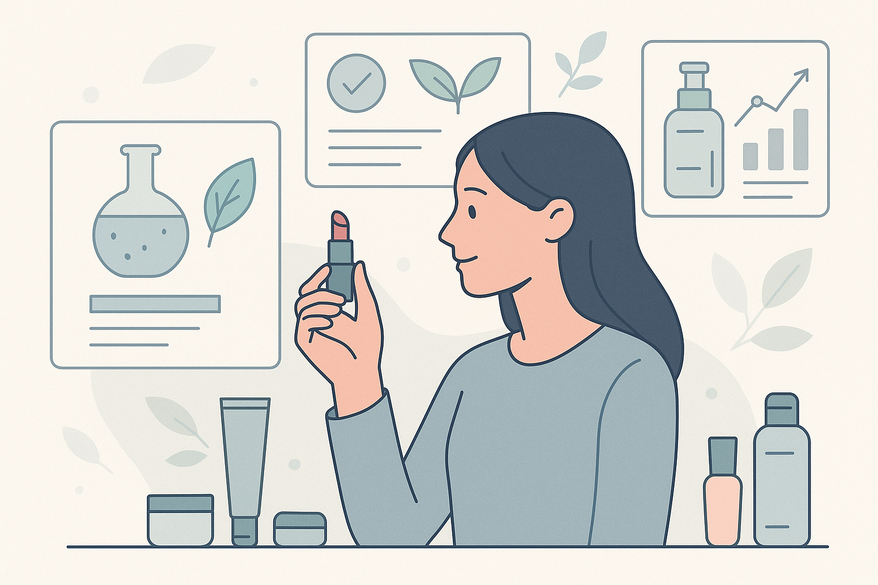
Transparent makeup goes beyond buzzwords like “clean beauty.” True transparency requires:
- Full INCI ingredient lists with standardized names.
- Allergen alerts and toxin concentration disclosures.
- Cruelty-free certifications and traceable supply-chain data.
- Wear-time analytics and shade-inclusivity statistics.
- Lab-backed marketing claims with supporting test reports.
Relying on vague terms invites greenwashing and fails regulatory requirements. Consumers can’t verify claims without raw data, and bodies like the EU AI Act demand explicit disclosures. Current trends emphasize ethical sourcing, sustainable packaging, and third-party performance evidence. Brands should follow best practices in ethical makeup app practices to align with inclusive, privacy-first standards.
The Role of AI in the Beauty Industry
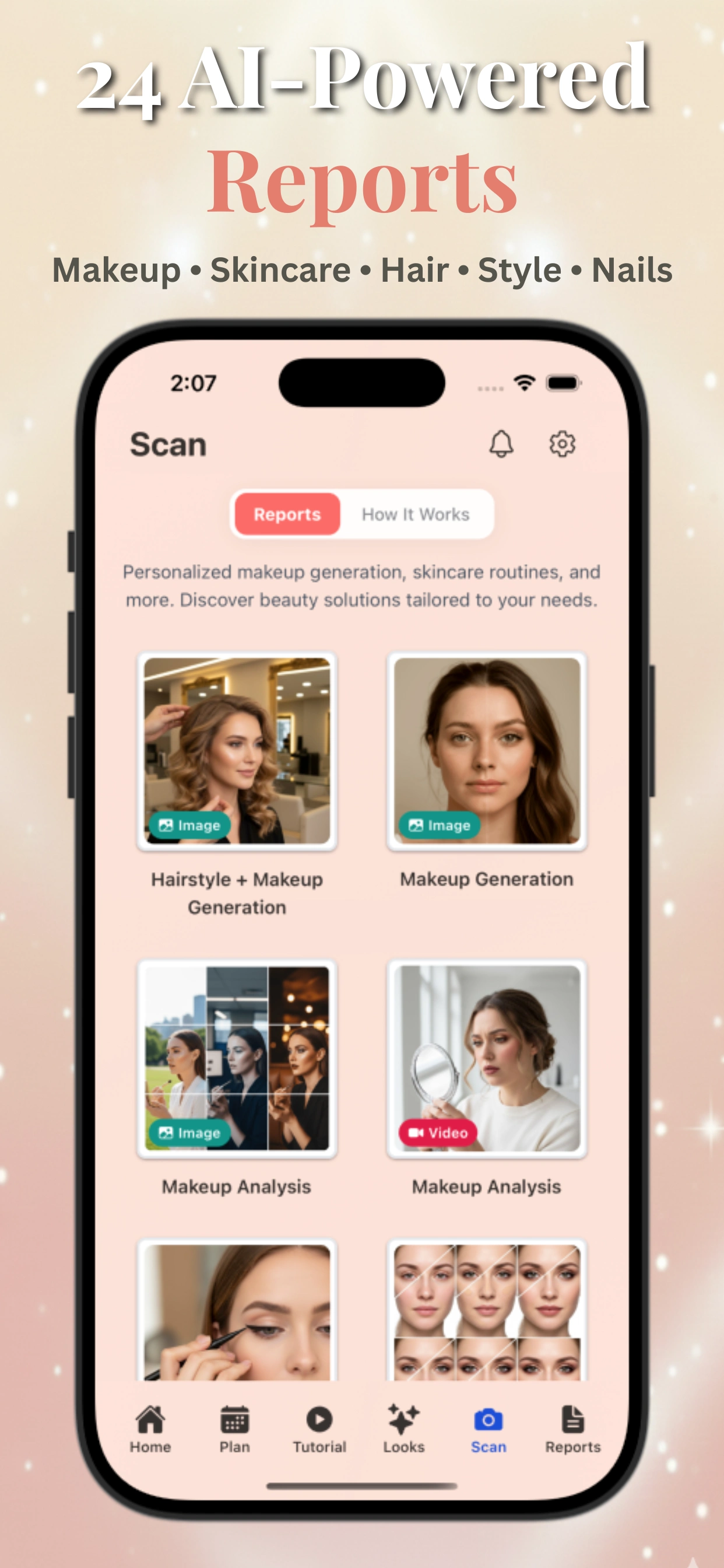
AI is transforming beauty with applications that enhance user experience and transparency:
- Virtual Try-On and Shade Matching
• Simulates makeup on diverse skin tones via computer vision.
• Ensures accurate shade matching under varying light.
• Reduces returns and selection errors. - Skin Analysis and Personalized Routines
• Detects texture and redness for tailored advice.
• Provides AI-driven routines based on skin type and environment.
• Monitors progress through selfie time-series. - Ingredient Analysis and NLP Review Mining
• Scans ingredient lists to flag harmful chemicals.
• Extracts sentiment and safety concerns from reviews. - Quality Assessment and Formulation Stability
• Maps coverage to evaluate application uniformity.
• Tracks color stability with ΔE metrics over time.
These tools generate quantifiable data for transparency dashboards and claim validation. For a deeper overview, see Understanding AI Makeup Metrics.
Exploring AI Metrics
AI metrics quantify performance, fairness, explainability, and satisfaction in beauty tools:
- Ingredient Verification Metrics
• Precision, recall, F1-score for ingredient classification.
• Threshold: F1-score ≥ 0.90 for allergen detection.
• Ensures INCI lists match databases, flags omissions. - Product Performance Analysis
• Shade-match accuracy measured in RGB/CIELAB color space.
• Coverage uniformity via pixel intensity variance.
• Longevity/oxidation tracked by ΔE over time-series photos. - Consumer Sentiment Analysis
• NLP sentiment scores (–1 to +1) on reviews.
• Tracks satisfaction, irritation complaints, repurchase intent. - Explainability and Fairness Metrics
• SHAP/LIME scores highlight feature influence.
• Fairness measured by statistical parity across skin tones.
• Target: disparate impact ratio ≥ 0.80.
By measuring these metrics, brands detect biases and provide data-backed assurances on safety and performance.
Interrelation between Transparent Makeup and AI Metrics
AI metrics underpin transparency by scoring key dimensions:
- Disclosure Completeness
• Percentage of verified ingredients vs. total INCI list.
• Example formula: (Verified ÷ Total) × 100.
• e.g. 45 of 50 = 90% completeness. - Ethical Sourcing Evaluation
• Supplier audits weighted by labor (40%), environment (30%), traceability (30%).
• Aggregated ethical sourcing score. - Marketing Integrity Checks
• Binary flags for claim-data alignment.
• Alignment ratio: (Data-supported claims ÷ Total claims) × 100.
Sample Dashboard: Transparency Score: 87/100; Ethical Sourcing: 95%; Claim Alignment: 92%.
Benefits for Consumers and Brands
Consumers gain:
- Interactive dashboards with real-time safety, fairness, and shade recommendations.
- QR code access to full ingredient and performance metrics.
- Data-driven insights on toxicity, sustainability, and peer sentiment.
Brands benefit from:
- Objective benchmarks (e.g., “90% shade-match accuracy”).
- Early bias detection for diverse skin tones.
- Evidence-backed marketing that builds reputation and reduces legal risk.
Challenges and Future Trends
Challenges:
- Data accuracy: outdated supplier info skews metrics.
- Privacy: user images need GDPR/CCPA compliance.
- Technical limits: AI bias and explainability gaps.
Future Trends:
- Personalized transparency dashboards per user profile.
- Blockchain for immutable ingredient provenance.
- Standardized AI labels for fairness and performance.
- Expanded fairness metrics covering age, conditions, and geography.
Conclusion
Transparent makeup AI metrics create end-to-end visibility—from ingredients and sourcing to fairness and performance—combating greenwashing and fostering trust. By adopting rigorous metrics, brands demonstrate accountability and drive beauty innovation.
Call-to-Action
Share your experience with transparent makeup or AI beauty tools below and visit Makeup Check AI for case studies:
FAQ
- What are Transparent Makeup AI Metrics?
AI metrics are quantitative measures—like shade-match accuracy and ingredient verification—that evaluate transparency across safety, fairness, and performance. - How do AI metrics enhance consumer trust?
They provide data-backed dashboards, real-time safety scores, and explainable recommendations, allowing consumers to make informed choices. - Can brands implement these metrics easily?
Integration requires accurate data collection, model validation for diverse cohorts, and compliance with privacy standards like GDPR and CCPA. - What future trends should brands watch?
Blockchain-based provenance, personalized transparency dashboards, and standardized AI fairness labels are shaping the next wave of beauty transparency.