Transparent Makeup AI Metrics: Ingredient Clarity, Ethics & Performance
Explore transparent makeup AI metrics for clarity, ethics, and performance. Discover how AI transforms transparency claims into objective scores.


Estimated reading time: 8 min read
Key Takeaways
- Objective transparency scores help brands and consumers evaluate safety, sustainability, and performance.
- AI-driven audits analyze ingredients, supply chains, and consumer feedback at scale.
- Computer vision and NLP deliver fairness metrics, shade-match accuracy, and ingredient clarity.
- Ethical sourcing and explainable models build trust and meet regulatory requirements.
Table of Contents
- Section 1: Understanding Transparent Makeup
- Section 2: Role of AI in Makeup Metrics
- Section 3: How Transparent Makeup AI Metrics Work
- Section 4: Impact on Consumers and Brands
- Section 5: Challenges and Future Trends
- Conclusion
- FAQ
Section 1: Understanding Transparent Makeup
Definition
Transparent makeup means full visibility into what a product is, how it’s made, and how claims are generated—not just marketing buzz. True transparency covers formulas, sourcing, performance data, and claim integrity.
Key Elements of Makeup Transparency
- Full ingredient disclosure: Complete INCI lists with concentration context instead of vague terms like “fragrance.”
- Ethical & sustainable sourcing: Cruelty-free status, traceable suppliers, labor and environmental audits, plus carbon and water footprint indices.
- Performance transparency: Lab-measured wear time, coverage uniformity, oxidation, transfer resistance, and shade inclusivity.
- Marketing integrity: Backing claims like “24-hour wear” or “non-comedogenic” with verifiable evidence to prevent greenwashing.
Section 2: Role of AI in Makeup Metrics
AI bridges the clean-beauty movement and modern transparency demands by automating audits and generating objective makeup metrics. Scalable AI metrics replace subjective labels with quantifiable scores for clarity, safety, sustainability, and fairness.
AI Applications in Makeup Metrics
- Ingredient & safety analysis: NLP models parse INCI lists, match against toxicology databases, and flag restricted substances.
- Supply-chain & sustainability indices: Link ingredients to certifications, geo-origin, and environmental audits.
- Computer-vision performance testing: CNNs analyze before/after and time-lapse images to measure coverage uniformity, color drift, and transfer resistance.
- Virtual try-on & shade matching: Vision models detect skin tone and lighting, then score shade-match accuracy and fairness.
- Consumer feedback mining: NLP extracts sentiment, irritation alerts, and shade-mismatch complaints from reviews and social media.
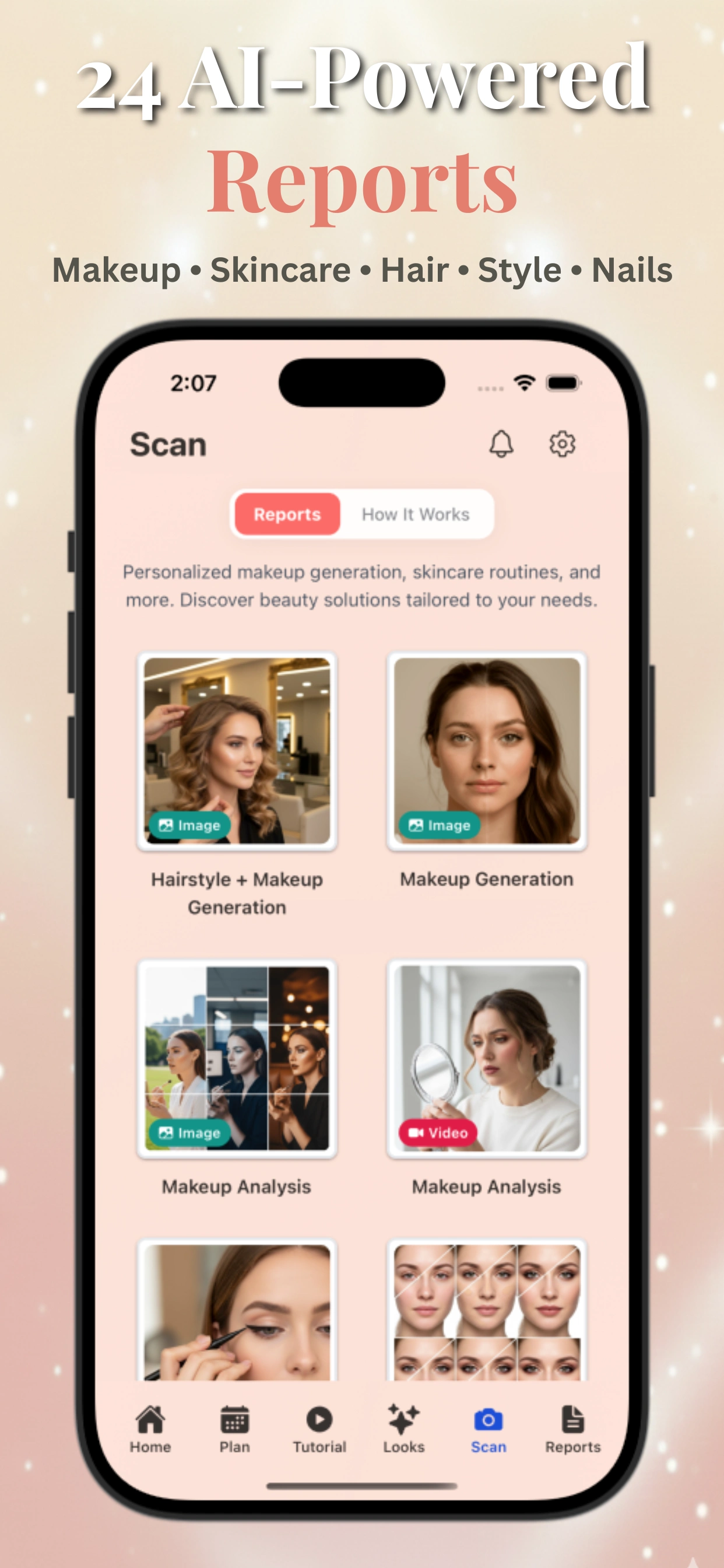
Tools like Makeup Check AI exemplify consumer platforms that leverage transparent AI metrics to audit ingredient lists and performance claims in real time.
Section 3: How Transparent Makeup AI Metrics Work
Data Collection
- Formulation data: INCI lists, concentrations, toxicology results, regulatory flags.
- Supply-chain records: Supplier IDs, geo-origin, audit reports, certification data.
- Imagery & video: Lab test photos (before/after, time-lapse), user selfies under varied lighting.
- Consumer data: Product reviews, returns, survey responses, sentiment logs.
AI Analysis Pipeline
- Pre-processing: Standardize ingredient names, normalize color spaces, anonymize data.
- Model training & inference:
- NLP for ingredient scoring and claim extraction.
- Computer vision for coverage mapping and color drift analysis.
- Recommendation engines for shade and product matching.
- Metric computation: Calculate accuracy, fairness gaps, ingredient transparency percentages, and sustainability indices.
- Dashboards & reports: Display ingredient clarity, safety ratings, fairness metrics, and performance KPIs.
Section 4: Impact on Consumers and Brands
For Consumers
- Clear safety & ingredient data: Ingredient verification scores and allergen flags aid decision-making.
- Ethical & sustainability insight: Cruelty-free status, traceability visuals, and carbon/water footprint indices.
- Inclusive recommendations: Fairness metrics for shade matching build confidence across diverse skin tones.
- Real-world performance data: Lab-backed wear-time, coverage, and satisfaction scores.
- Explainable suggestions: Consumers see why a shade or product is recommended, boosting trust.
For Brands
- Enhanced trust & differentiation: Quantified transparency and fairness outperform generic claims.
- Product-development insights: Identify underperforming formulas, shade gaps, and irritation drivers.
- Regulatory & reputational risk reduction: Auditable evidence for claims and early bias detection.
- Benchmarking & competitive analysis: Compare transparency, inclusivity, and satisfaction across the market.
Section 5: Challenges and Future Trends
Key Challenges
- Data quality & coverage: Incomplete ingredient records and under-representation of darker skin tones.
- Bias & fairness mitigation: Continuous audits to prevent disparities in shade matching.
- Metric standardization: Varied scoring methods limit cross-brand comparability.
- Communication complexity: Translating technical metrics into consumer-friendly labels.
- Privacy & ethics: Responsible handling of face images and personal data under GDPR and CCPA.
Future Trends
- Real-time consumer-facing transparency dashboards per product.
- Multimodal AI combining images, ingredient data, and reviews for richer profiles.
- Blockchain provenance for tamper-proof ingredient sourcing data.
- Standardized AI transparency labels aligned with regulations like the EU AI Act.
- Advanced sustainability metrics: Lifecycle impact and real-time carbon/water tracking.
Conclusion
Transparent makeup AI metrics fuse ingredient and sourcing openness with algorithm accountability, converting “transparency” into measurable scores for safety, fairness, performance, and ethics. As AI-driven beauty tools—from virtual try-on to skin analysis—become mainstream, these metrics will prove claims, prevent bias, and build durable consumer trust.
FAQ
- What are transparent makeup AI metrics?
They are data-driven scores that evaluate ingredient clarity, ethical sourcing, and product performance using AI analysis. - How does AI assess makeup performance?
Computer vision models analyze lab and user images to measure coverage uniformity, color drift, oxidation, and transfer resistance. - Who benefits from these metrics?
Consumers gain verifiable safety and shade-fit insights, while brands get auditability, fairness checks, and product-development guidance. - Is my personal data safe?
Responsible platforms anonymize images, comply with GDPR/CCPA, and use explainable AI methods to protect privacy and ensure transparency.