Transparent Makeup AI Metrics: Driving Trust and Transparency in Beauty
Explore how transparent makeup AI metrics enhance ingredient clarity, safety, and fairness, offering brands data-driven accountability and building consumer trust.

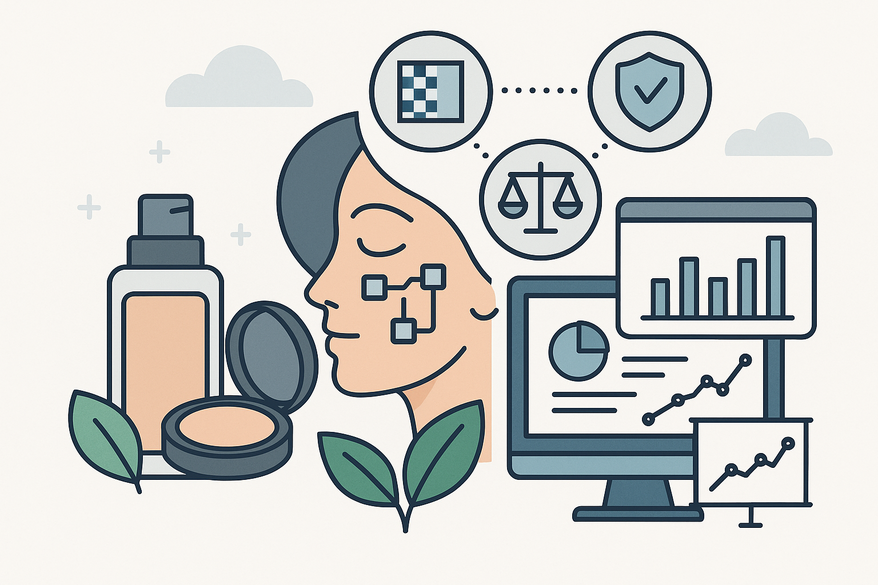
Estimated reading time: 8 minutes
Key Takeaways
- Data-driven transparency: Combining ingredient clarity, ethical sourcing, and performance analytics builds consumer confidence.
- AI-powered innovation: From formulation checks to virtual try-on, AI streamlines development and enhances safety.
- Comprehensive metrics: Technical performance, fairness, explainability, and user-centric KPIs ensure accountability.
- Unified dashboards: Interactive interfaces link safety scores, sourcing ratings, and shade-match accuracy.
- Future-ready frameworks: Real-time reporting, multimodal analysis, and standardized benchmarks drive the next wave of beauty tech.
Table of Contents
- Introduction
- Understanding Transparent Makeup
- The Role of AI in the Beauty Industry
- AI Metrics: What They Are and How They Work
- Synergy: Transparent Makeup and AI Metrics
- Future Trends and Opportunities
- Conclusion
- FAQ
Introduction
Transparent makeup AI metrics are data-based measurements that reveal ingredient clarity, safety, fairness, and real-world performance of products and algorithms. These insights matter to beauty brands and tech teams seeking clear, data-driven accountability. Consumers demand honest ingredient disclosure, while brands need auditable AI scores for shade matching, safety screening, and marketing claims. Tools like AI Makeup App offer interactive dashboards and explainable reports to bridge the gap between marketing and evidence.
Understanding Transparent Makeup
Transparent makeup means full disclosure of ingredients, sourcing, performance data, and marketing claims. It builds trust, loyalty, and lowers regulatory risk.
- Ingredient transparency: Full INCI lists, allergen alerts, toxin disclosures, concentration details.
- Ethical sourcing: Cruelty-free status, traceable supply chains, supplier audits.
- Performance transparency: Wear-time analytics, before/after imaging, shade-inclusivity metrics.
- Marketing integrity: Lab-backed claims, no greenwashing, clear evidence for “clean beauty.”
The Role of AI in the Beauty Industry
AI underpins product development, virtual try-on, personalization, feedback analysis, and compliance. It powers faster innovation and better safety outcomes.
Product Development & Formulation
- AI ingredient-scanning models cross-check formulas against regulatory lists and brand criteria.
- Pre-launch allergen and irritant screening via machine learning identifies potential issues early.
Virtual Try-On & Shade Matching
- Computer vision analyzes skin tone, undertone, and lighting to recommend foundations and concealers.
- Key metrics include shade-match accuracy and coverage uniformity.
- For more on AR-based try-on.
Skin Analysis & Personalization
- Facial-analysis AI detects redness, hyperpigmentation, and texture to suggest tailored routines.
- Ongoing tracking of skin improvements informs product recommendations.
- Learn how to leverage skin tone analyzers.
Customer Feedback & Sentiment Analysis
- NLP models extract satisfaction scores, complaints, and safety concerns from reviews.
- Outputs include sentiment scores, NPS-style indices, and topic clusters.
Quality Control & Compliance
- AI verifies label accuracy and regulatory completeness.
- Supply-chain tools score traceability and ethical practices.
AI Metrics: What They Are and How They Work
AI metrics are quantitative outputs measuring system performance and product transparency. They help teams track accuracy, fairness, explainability, and user satisfaction.
Core Categories of AI Metrics
- Technical performance: Accuracy, precision, recall, and F1-score for shade matching or claim verification.
- Fairness metrics: Disparate-impact ratios and error gaps across skin tones.
- Explainability: SHAP/LIME outputs showing feature influence.
- User-centric metrics: Task success rate, time to complete try-on, satisfaction, and trust ratings.
Applying AI Metrics to Makeup Performance & Transparency
- Product efficacy: Pixel-level coverage analysis and longevity tests via time-series photos.
- Customer satisfaction: Sentiment-analysis scores and repurchase rates tied to attributes.
- Transparency & sourcing: Disclosure completeness scores and marketing integrity checks.
Methodology: Data Collection & Analysis Workflow
- Data sources: User selfies/videos (with consent), ingredient databases, supplier logs, and reviews.
- Model training & evaluation: Stratified test sets by Fitzpatrick type, age, and gender; compute accuracy and error rates.
- Fairness & transparency checks: Demographic error distribution, SHAP/LIME logs, and model cards.
- Ongoing monitoring: Drift detection and user feedback loops for retraining.
Synergy: Transparent Makeup and AI Metrics
A unified framework links ingredient clarity, sourcing ethics, shade-match fairness, and user satisfaction through transparency dashboards.
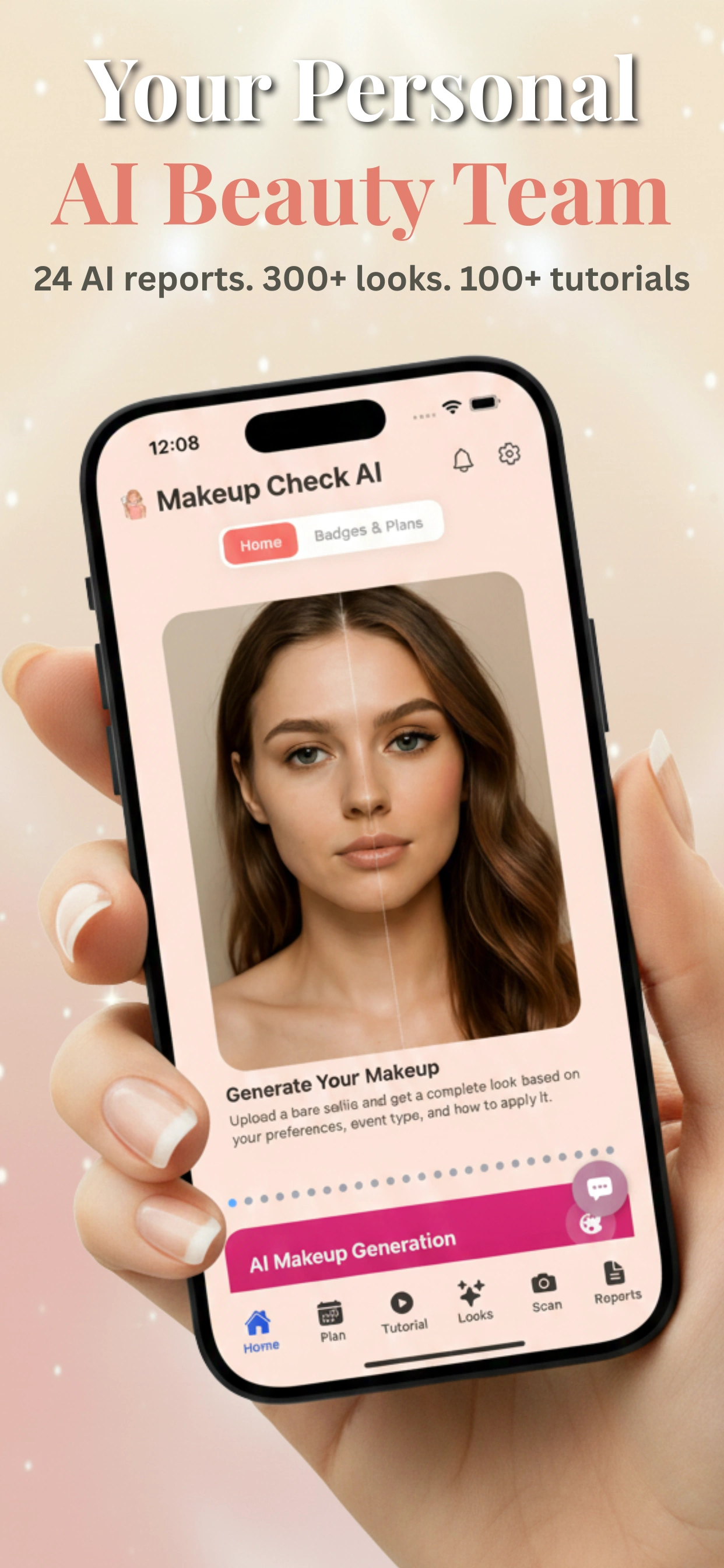
Benefits for Consumers
- Interactive dashboards showing safety scores, sourcing ratings, fairness metrics, and explainable recommendations.
Benefits for Brands
- Objective benchmarks for disclosure completeness, ethical footprint, and performance vs. competitors.
- Evidence to support claims, e.g., “90% shade-match accuracy” backed by stratified metrics.
- Early issue detection for biased recommendations or non-compliant ingredients.
Case Study Examples
- Global foundation launch: Track error gaps by skin tone, adjust formula, and publish updated metrics to boost inclusivity.
- Ingredient transparency upgrade: AI-driven disclosure scoring triggers reformulation and label updates, improving sentiment.
Future Trends and Opportunities
The next wave in beauty tech brings real-time metrics, richer analysis, and stronger standards.
Emerging Innovations
- Real-time transparency dashboards for live ingredient, safety, fairness, and performance metrics.
- Multimodal analysis correlating image, text, and usage data for richer insights.
- Standardized frameworks for transparency scores and fairness thresholds aligned with the EU AI Act.
- Sustainability & inclusivity metrics covering carbon footprint, water use, and demographic coverage.
Key Challenges & Solutions
- Data privacy: Implement consent flows, on-device processing, and anonymization.
- Bias & representativeness: Use diverse training data, conduct fairness audits, and report subgroup metrics.
- Metric overload: Simplify consumer-facing scores with layered UX featuring badges and expert dashboards.
- Standardization: Establish consistent definitions through industry working groups and third-party certification.
Conclusion
Integrating transparent makeup practices with AI-driven metrics transforms marketing claims into evidence-based transparency. Brands adopting these approaches gain higher consumer trust, improved product performance, and faster, data-driven innovation.
Call-to-action: Brands and developers—start measuring and publishing your transparent makeup AI metrics today to lead the next wave of beauty transparency.
FAQ
- What are transparent makeup AI metrics? They are data-driven measurements that assess ingredient clarity, ethical sourcing, performance, and fairness to ensure trust in beauty products.
- How can brands implement these metrics? By integrating AI tools for ingredient scanning, shade matching, sentiment analysis, and compliance checks, then reporting results via interactive dashboards.
- Why is fairness important in beauty AI? Fairness metrics help identify disparities across skin tones and demographics, ensuring inclusive and unbiased product recommendations.
- What does a transparency dashboard include? Safety scores, sourcing ratings, shade-match accuracy, consumer sentiment, and explainability insights—all in one interactive interface.
- How do future trends shape beauty transparency? Real-time analytics, multimodal insights, and standardized frameworks will set new standards for accountability and consumer trust.