Transparent Makeup AI Metrics: Revolutionizing Beauty Transparency and Trust
Discover how transparent makeup AI metrics enhance beauty product transparency and trust with measurable insights on safety, fairness, and effectiveness.

Estimated reading time: 6 minutes
Key Takeaways
- Transparent makeup AI metrics convert marketing buzz into auditable numbers, boosting trust.
- Metrics span performance, fairness, explainability, safety, and sustainability.
- AI tools like computer vision and NLP drive shade matching, ingredient analysis, and sentiment scores.
- Continuous governance and real-time dashboards help brands maintain compliance and address bias.
- Consumers enjoy safer, more inclusive experiences; brands gain credibility and regulatory ease.
Table of Contents
- Introduction
- The Concept of Transparency in Makeup
- Role of AI in the Beauty Industry
- Understanding AI Metrics
- How Transparent Makeup AI Metrics Are Developed
- Benefits for Consumers and Brands
- Future Trends and Innovations
- Conclusion
Introduction
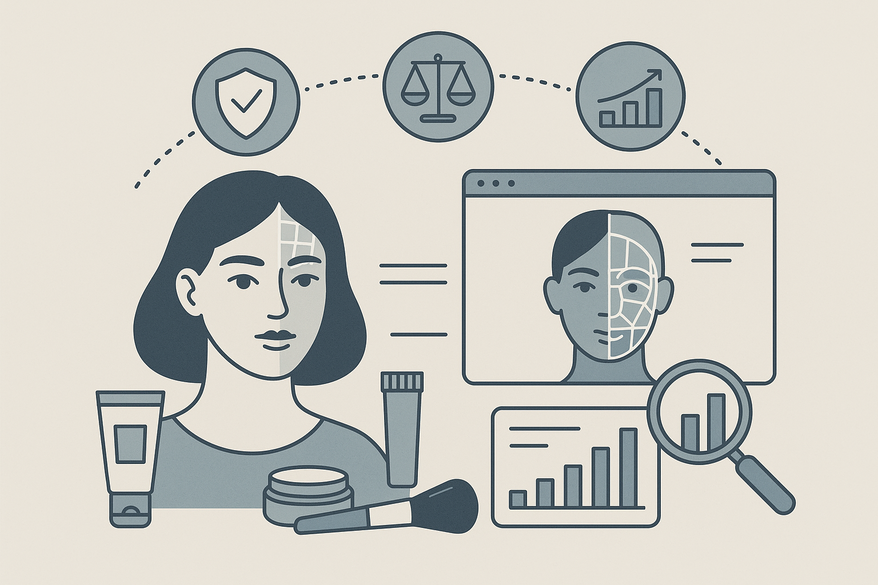
Transparent makeup AI metrics create a framework to measure how honest, safe, fair, and effective both beauty products and algorithms truly are. By turning vague marketing claims into auditable scores, brands can prove every statement, while consumers gain unprecedented clarity. In an era of AI-driven shade matching and skin analysis, transparency isn’t just nice to have—it’s a necessity.
Definitions of key terms:
- Transparent: Open, verifiable, and understandable information and decisions.
- Makeup: Cosmetic products designed to enhance appearance and support skin health.
- AI: Systems that learn from data to perform tasks like shade matching and ingredient analysis.
- Metrics: Quantitative measures—scores, percentages, error rates—evaluating transparency and performance.
The Concept of Transparency in Makeup
What transparency means for makeup products:
- Ingredient disclosure – full INCI lists with allergen flags; no vague “proprietary blend.”
- Ethical sourcing – traceable supply chains, cruelty-free certifications, fair labor.
- Clear labeling – data-backed claims on “clean,” “vegan,” SPF, and durability; no greenwashing.
Drivers of consumer demand:
- Health & safety – avoidance of allergens and hormone disruptors.
- Ethical/environmental concerns – sustainability and animal testing bans.
- Distrust of marketing buzzwords – hunger for evidence-based claims.
- Regulatory pressure – inclusive shade ranges and bias-free formulations.
Brands seeking to align with evolving standards for fairness and safety can explore more on trust in beauty tech transparency.
Role of AI in the Beauty Industry
AI technologies used in makeup analysis:
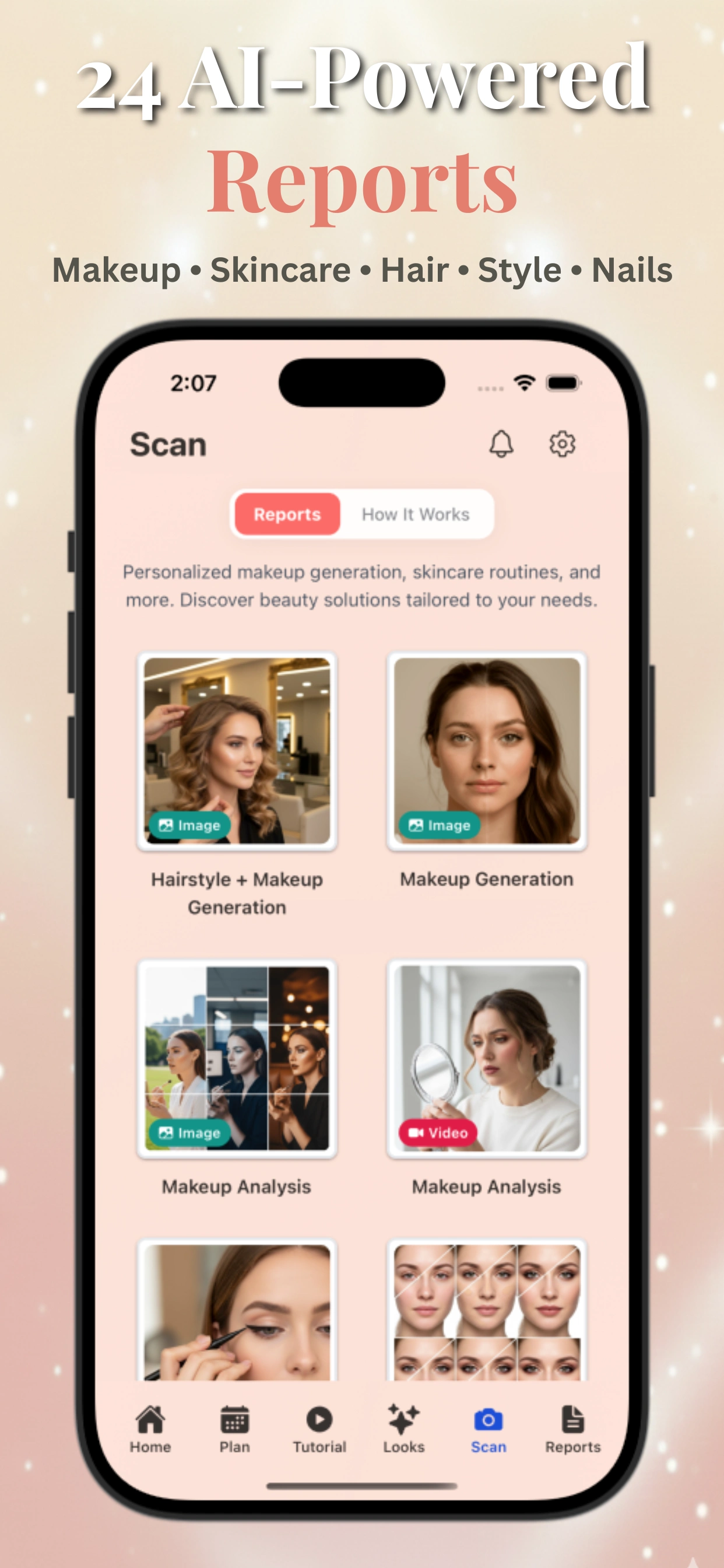
- Computer vision – analyzes selfies for tone, texture, hyperpigmentation to inform shade matching.
- Machine learning – classifies ingredients, predicts irritation risk, verifies formulation accuracy.
- Natural Language Processing (NLP) – mines reviews and social media for sentiment on performance issues.
Real-world AI examples: personalized recommendations, safety analysis against sustainability benchmarks, and AI-powered quality control for consistency.
Understanding AI Metrics
AI metrics are quantitative indicators evaluating system performance and the transparency of resulting disclosures.
Key metric categories:
- Technical performance – accuracy, precision, recall, F1-score for shade matching and ingredient classification.
- Fairness & bias – error gaps and disparate impact across skin tones, ages, genders.
- Explainability – SHAP/LIME feature attributions, model cards, transparency indices.
- Ingredient & safety – transparency scores, safety verification rates, supply-chain documentation.
- Brand compliance – regulatory alignment scores, documentation completeness.
- Consumer sentiment – NLP sentiment scores, satisfaction indices, return rates.
How Transparent Makeup AI Metrics Are Developed
Data collection strategies:
- Visual data – selfies and lab images under controlled lighting.
- Product & ingredient data – full INCI lists, supplier info, safety dossiers, sustainability records.
- Behavioral feedback – reviews, support tickets, returns, surveys.
- Metadata for fairness – demographic attributes collected with privacy safeguards.
Algorithm training & evaluation: labeled datasets, held-out set evaluations for accuracy and fairness, fairness diagnostics, and bias mitigation.
Continuous monitoring & governance: dashboards track drift, feedback loops drive retraining, regular audits publish model cards and reports.
Benefits for Consumers and Brands
Consumer benefits:
- Informed decisions via clear safety, sustainability, and performance scores.
- Increased trust in product claims and AI analyses like shade matching.
- Personalized matches with fewer adverse reactions and higher satisfaction.
Brand benefits:
- Enhanced credibility with data-backed transparency.
- Easier compliance with AI and ingredient-disclosure regulations.
- Operational insights to identify formulation issues and mitigate bias.
Future Trends and Innovations
Emerging transparency trends:
- Real-time dashboards showing safety scores, shade-match confidence, fairness indicators.
- Multimodal transparency indices combining images, text, lab data, supply-chain logs.
- Standardized AI “nutrition labels” summarizing accuracy, fairness, ingredient transparency.
Potential future technologies: blockchain-based provenance, adaptive on-device AI, advanced sustainability and inclusivity metrics.
For deeper insights on transparent makeup AI metrics trust, explore our frameworks.
Conclusion
Transparent makeup AI metrics unify product ingredient clarity and AI decision explainability into measurable scores—accuracy, fairness, explainability, safety, and sustainability. Consumers benefit from safer, more inclusive experiences, while brands gain trust, compliance, and competitive differentiation. Adopting these metrics marks a shift away from unverified claims toward truly transparent beauty. Learn how Makeup Check AI supports this transformation.
FAQ
- What are transparent makeup AI metrics? They are quantifiable measures that assess the honesty, safety, fairness, and effectiveness of makeup products and beauty algorithms.
- How do these metrics benefit consumers? Consumers gain clear safety, sustainability, and performance scores, leading to informed choices and higher satisfaction.
- Can brands implement these metrics easily? Yes, through structured data collection, AI governance frameworks, and regular audits, brands can integrate transparency metrics into their workflows.
- What trends are shaping the future? Expect real-time transparency dashboards, multimodal indices, blockchain provenance, and AI “nutrition labels” for beauty.