Transparent Makeup AI Metrics: Transforming Beauty Transparency
Explore how transparent makeup AI metrics are transforming beauty transparency by analyzing formulations, enhancing ingredient traceability, and offering personalized recommendations.

Estimated reading time: 7 minutes
Key Takeaways
- Definition and pillars of transparent makeup for consumer trust.
- Key AI techniques—computer vision, AR, NLP—powering beauty insights.
- Critical metrics: ingredient traceability, NPS scores, compliance scans, and fairness measures.
- Real-world case studies showcasing AI dashboards and blockchain traceability.
- Benefits, challenges, and future trends in data-driven beauty transparency.
Table of Contents
- Defining Transparent Makeup
- The Role of AI in Beauty
- Understanding Ingredient Traceability
- AI Dashboards and Blockchain Traceability: Case Studies
- Benefits and Challenges
- Future Trends and Innovations
- Conclusion
- FAQ
Section 1: Defining Transparent Makeup
Transparent makeup means brands share every detail about their formulas and practices, built on three pillars:
- Complete INCI Lists
– All chemical and botanical names per FDA & EU rules
– Lists of potential irritants and safety thresholds - Allergen Highlights and Safety Data
– Clear callouts for common allergens
– Lab test results for skin irritation and comedogenicity - Ethical Sourcing Traceability
– Proof of cruelty-free testing
– Records of fair labor and low environmental impact
Dashboards or downloadable certificates let shoppers confirm claims like “clean,” “hypoallergenic,” or “non-comedogenic” on their own. This level of clarity builds trust and stops greenwashing.
Section 2: The Role of AI in Beauty
AI in beauty blends smart tools to serve brands and customers. Key techniques include:
- Computer Vision
– ΔE shade-accuracy metrics for perfect color matching
– Defect detection in pressed powders and lipsticks - AR Virtual Try-Ons
– Facial landmark mapping for real-time shade previews
– Personalized color suggestions based on skin undertone - Natural Language Processing (NLP)
– Sentiment analysis of user reviews to spot trends
– Automated feedback on wear-time and texture
Quality-control automation uses AI to verify “long-wear” and “non-comedogenic” claims against lab data, run batch consistency checks, and spot counterfeits before shipment. Performance stats show trend-forecasting models hitting 85% accuracy in predicting social-media-driven shade popularity.
For a deep dive on virtual try-on and AR, see our previous post on Virtual Makeup Try-On: Revolutionizing Beauty with AR and AI.
Section 3: Understanding Ingredient Traceability
Brands track metrics in three categories to prove transparency:
- Ingredient Traceability
• Percentage of ingredients with verified source data
• Blockchain-based audit trails per batch for immutability - Customer Satisfaction Scores
• Net Promoter Score (NPS) from surveys after purchase
• Trust indices from NLP sentiment ratios (positive vs. negative) - Compliance Standards
• Real-time scans against EU CPNP, FDA, and COSMOS safety lists
AI-performance metrics boost trust too:
- Accuracy, precision, recall, and F1-score for shade-matching models
- Fairness measures like demographic parity across Fitzpatrick skin types
- Explainability via SHAP and LIME scores that reveal key ingredient or pixel influences
These metrics power consumer dashboards, so shoppers can see safety scores, fairness ratings, and blendability indexes in real time. For an AI-driven look at formulations, check out Understanding Makeup Formulations: How AI Is Revolutionizing Cosmetic Ingredients.
Section 4: AI Dashboards and Blockchain Traceability: Case Studies
Leading brands merge ingredient data and AI analytics into live dashboards:
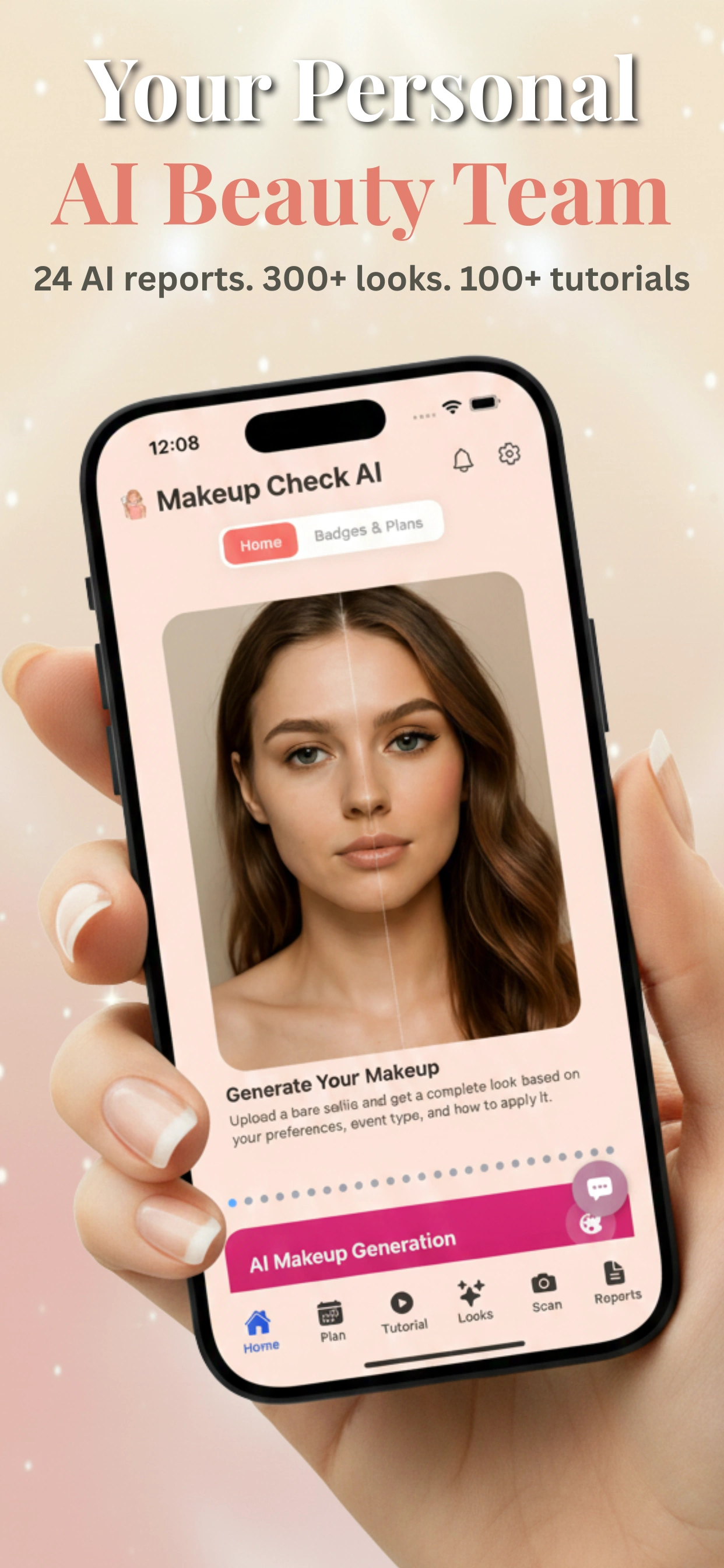
Case Study 1: Makeup Check AI Framework
• Cross-references 2,000+ ingredients with global toxicity databases
• Achieved 92% F1 score on blendability predictions
• Publishes training data and model designs for external audits
Tools like Makeup Check AI bring these frameworks to life with intuitive dashboards and detailed ingredient logs.
Case Study 2: Brand X Skin Scanner
• Uses CNN models with SHAP weights for shade advice
• AR try-on cuts mismatches by 30% in online sales
Case Study 3: Ethical Sourcing Tool
• Real-time certification dashboards reduce returns by 20%
• Blockchain traceability maps palm oil and mica back to farms
Section 5: Benefits and Challenges
Benefits for Brands:
• Enhanced consumer trust via public dashboards and audit trails
• Faster R&D cycles from real-world wear-time and satisfaction data
• Streamlined compliance with global regulations
• Stronger sustainability and ethical credentials Source: clean beauty makeup trends
Benefits for Consumers:
• Confidence in true shade matches and safety claims
• Equitable recommendations across all skin tones
• Verify ethical sourcing and price transparency Source: clean beauty makeup trends
Challenges to Address:
• Data-collection hurdles in completing supply-chain records
• Ensuring AI fairness through bias audits and demographic checks
• Privacy concerns in sentiment and usage data under GDPR/CCPA Source: key elements of AI fairness metrics
Section 6: Future Trends and Innovations
Advanced AI analytics will drive the next wave of transparency:
- Real-time global compliance scans via federated learning
- Blockchain networks tracking raw materials to finished goods
- Continual fairness monitoring over emerging demographic sets
Emerging R&D Areas:
- AR-integrated equity reporting in virtual try-ons
- Neural-network forecasting of inclusive beauty trends from e-commerce data
- Universal ledgers for cross-brand ingredient sharing
For a look at how these tech trends can reshape your brand, explore Transparent Makeup AI Metrics: Building Consumer Trust with Data-Driven Beauty.
Conclusion
Transparent makeup AI metrics unite full ingredient disclosure with explainable AI scores for performance, fairness, safety, and ethics. Brands that adopt these practices meet modern consumer demands, build lasting trust, ensure compliance, and lead the industry in innovation. Ready to start? Audit your brand’s transparency dashboard, pilot AI-driven metrics, or join an ethical AI beauty consortium. The future of beauty is clear, data-driven, and fair.
FAQ
- What are transparent makeup AI metrics?
Transparent makeup AI metrics quantify ingredient transparency, formulation performance, and ethical sourcing using advanced AI models and data-driven dashboards. - How does AI ensure fairness in beauty products?
AI fairness is measured via demographic parity, bias audits, and explainability tools like SHAP and LIME to ensure even performance across all skin tones. - Can consumers access ingredient traceability data?
Yes, many brands offer live dashboards or downloadable certificates showing batch numbers, audit logs, and blockchain-based trace trails for complete transparency. - What are the main challenges in implementing these metrics?
Challenges include data-collection gaps in supply chains, maintaining privacy under regulations like GDPR/CCPA, and conducting regular AI bias audits.