How Transparent Makeup AI Metrics Are Redefining Product Transparency in Beauty
Explore how transparent makeup AI metrics are transforming beauty through ingredient clarity, ethical formulation, and honest labeling, ensuring true transparency.

Estimated reading time: 8 minutes
Key Takeaways
- Transparency pillars: ingredient clarity, ethical formulation, honest labeling.
- AI impact: ingredient scanning, supply-chain audits, shade matching, feedback analytics.
- Metric examples: Ingredient Sourcing Index, Formulation Integrity Score, Fairness Across Skin Tones.
- Brand benefits: improved trust, streamlined compliance, data-driven innovation.
- Future trends: real-time dashboards, multimodal analytics, expanded ethical metrics.
Table of Contents
- Explaining Transparent Makeup
- The Role of AI in Beauty Industry Metrics
- Deep Dive – Specific Transparent Makeup AI Metrics
- How Brands Can Leverage Transparent Makeup AI Metrics
- Future Trends and Innovations
- Conclusion
Explaining Transparent Makeup
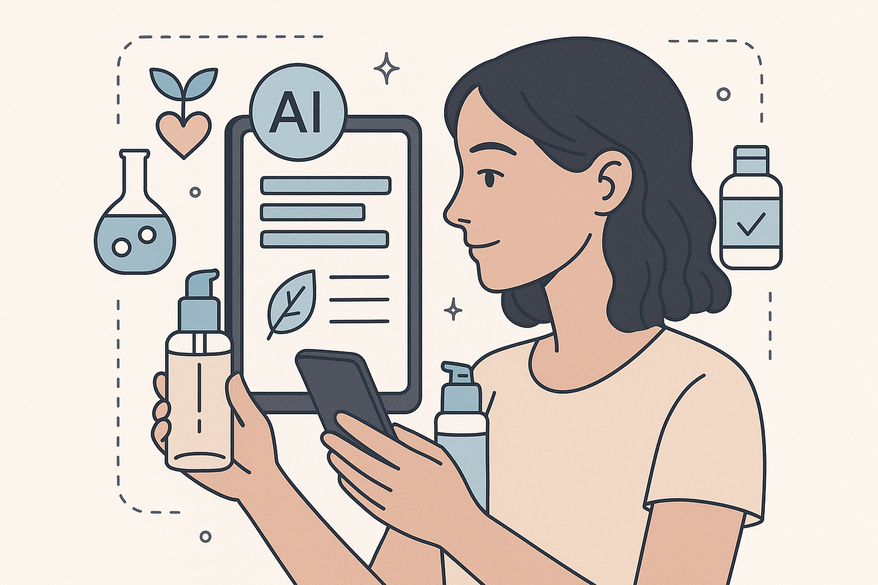
Transparent makeup means committing to clear, verifiable information about ingredients, sourcing, and claims. It combats greenwashing and hidden risks by focusing on three pillars:
- Ingredient clarity: full disclosure of all components, functions, and potential risks
- Ethical formulation: cruelty-free status, environmental impact, responsible sourcing
- Honest labeling: data-backed claims like “hypoallergenic” or “non-comedogenic”
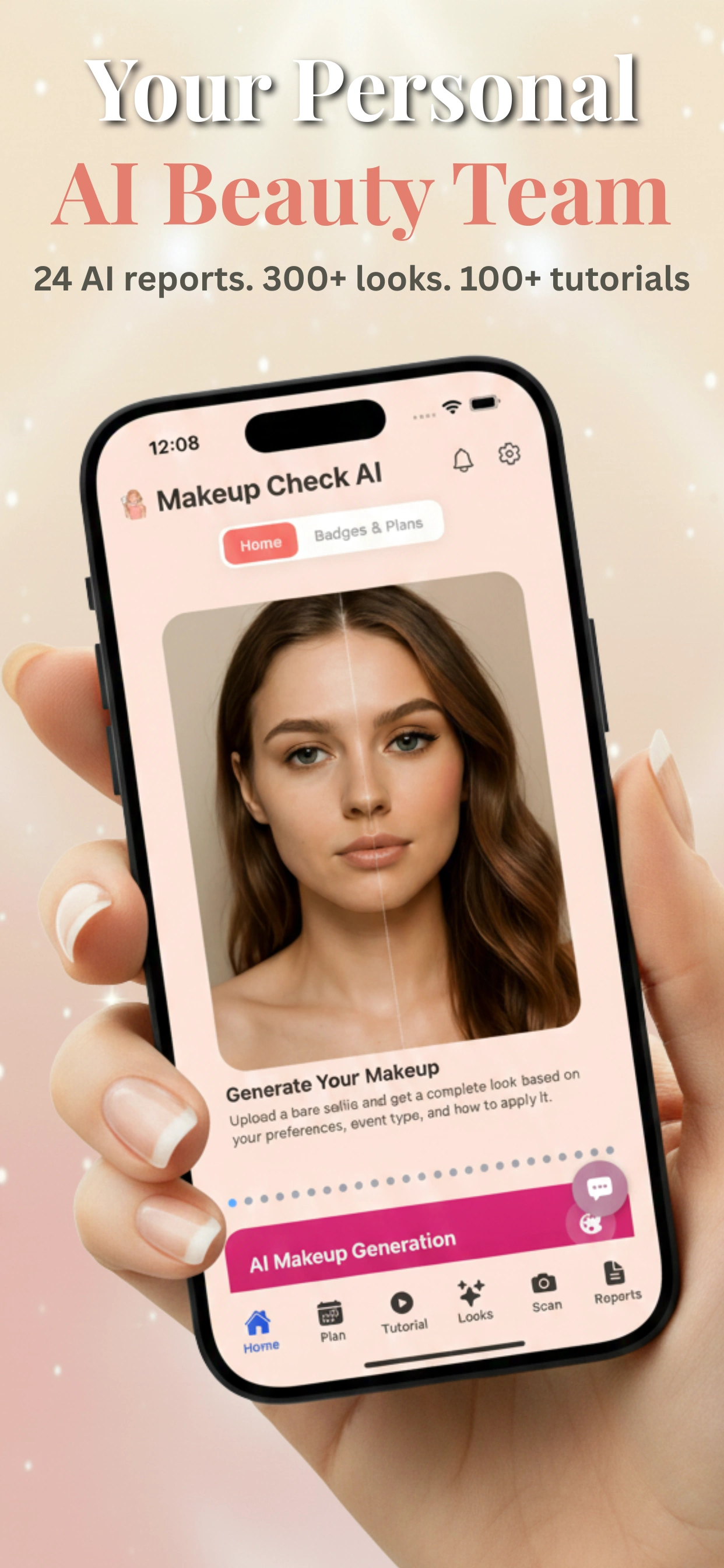
Platforms like Makeup Check AI leverage transparent AI metrics to deliver safety, fairness, and performance reports—ensuring shopping decisions are backed by data, not marketing spin.
AI now revolutionizes the beauty landscape by:
- Scanning ingredient lists for hidden chemicals
- Tracking supply chains for ethical sourcing
- Analyzing skin images for shade matching
- Mining consumer feedback for performance insights
The Role of AI in Beauty Industry Metrics
AI technologies powering beauty-industry metrics include computer vision, machine learning, and natural language processing:
- Computer Vision: analyzes skin tone, texture, and shade matching
- Machine Learning: predicts ingredient interactions and performance
- Natural Language Processing: mines reviews, social posts, and regulatory texts
Key AI applications:
- Ingredient & Safety Analysis: parses INCI lists, cross-checks toxicology databases, generates risk scores
- Shade Matching & Virtual Try-On: matches undertones and produces accuracy metrics (see virtual try-on)
- Sentiment & Performance Analytics: quantifies satisfaction, irritation, and wear-time performance
- Supply-Chain Audits: tracks certifications, origin data, and ethical sourcing scores
Deep Dive – Specific Transparent Makeup AI Metrics
- Ingredient Disclosure Accuracy
- Percentage of ingredients correctly listed versus actual formulation
- Uncovers hidden or mislabeled components that pose safety risks
- Ingredient & Safety Scores
- Rates toxicity, allergenicity, and ecological impact
- Brands can target high-risk ingredients for reformulation
- Fraud & Claim Verification Metrics
- Flags discrepancies between marketing promises and ingredient lists
- Protects consumers from misleading claims
- Formulation Consistency Metrics
- Variance checks across production batches
- Ensures repeatable quality and reduces complaints
- Shade Fairness & Inclusivity Metrics
- Coverage of global skin tones
- Bias gaps in virtual try-on accuracy
- System Transparency & Explainability
- Uses SHAP or LIME to reveal feature importance
- Boosts consumer trust by explaining AI decisions
How Brands Can Leverage Transparent Makeup AI Metrics
Step 1: Integrate Ingredient-Scanning Tools
- Automate screening against regulatory blacklists
- Generate public dashboards with safety scores
Step 2: Embed AI into Quality Assurance
- Define thresholds for safety, disclosure, and fairness
- Flag non-compliant batches before shipping
Step 3: Monitor Real-World Performance
- Track sentiment analytics, complaint rates, and returns
- Adjust formulations based on real-time feedback
Step 4: Adopt Fairness & Explainability Practices
- Conduct bias audits on shade-matching algorithms
- Publish fairness metrics with clear explanations
Future Trends and Innovations
- Real-Time Transparency Dashboards: live safety and sustainability scores
- Fully Traceable Supply Chains: end-to-end origin and footprint tracking
- Multimodal Analytics: merging images, reviews, and sensor data
- Expanded Ethical Metrics: labor-rights scores, inclusivity indices, carbon footprints
For more on emerging forecasts, see predictions on upcoming beauty initiatives.
Conclusion
Transparent makeup AI metrics unite ingredient clarity, ethical formulation, and honest labeling with AI-driven safety, fairness, explainability, and data-quality scores. By quantifying transparency, brands can:
- Validate marketing claims with auditable data
- Ensure regulatory compliance across regions
- Earn deeper consumer trust through openness
Makeup Check AI invites beauty brands to adopt these metrics, share experiences, and help shape the next era of responsible beauty.
FAQ
- What are transparent makeup AI metrics?
- They are structured, data-driven scores that measure ingredient clarity, sourcing ethics, labeling honesty, and performance using AI technologies.
- How do brands benefit from these metrics?
- Brands gain consumer trust, streamline compliance, improve quality control, and uncover formulation gaps for innovation.
- Which AI techniques power these metrics?
- Techniques include computer vision for shade matching, machine learning for safety scoring, and NLP for sentiment and claim verification.
- What challenges remain in makeup transparency?
- Key challenges are complex supply chains, inconsistent reporting, algorithmic bias, and balancing technical data with consumer-friendly formats.