Transparent Makeup AI Metrics: Driving Trust and Innovation
Explore how transparent makeup AI metrics drive consumer trust, ensure fairness, and accelerate innovation in the beauty industry.

Estimated reading time: 8 minutes
Key Takeaways
- Transparent metrics empower consumers with clear reasoning behind shade recommendations.
- Fairness and accuracy ensure all skin tones are treated equally in virtual try-ons.
- Explainability tools like SHAP and LIME break down AI decisions into digestible insights.
- Brands benefit from reduced returns, regulatory readiness, and stronger reputations.
Table of Contents
- Introduction to Transparent Makeup AI Metrics
- Background and Context
- How Metrics Work
- Benefits and Importance
- Case Studies and Examples
- Challenges and Future Directions
- Conclusion
- FAQ
Introduction to Transparent Makeup AI Metrics
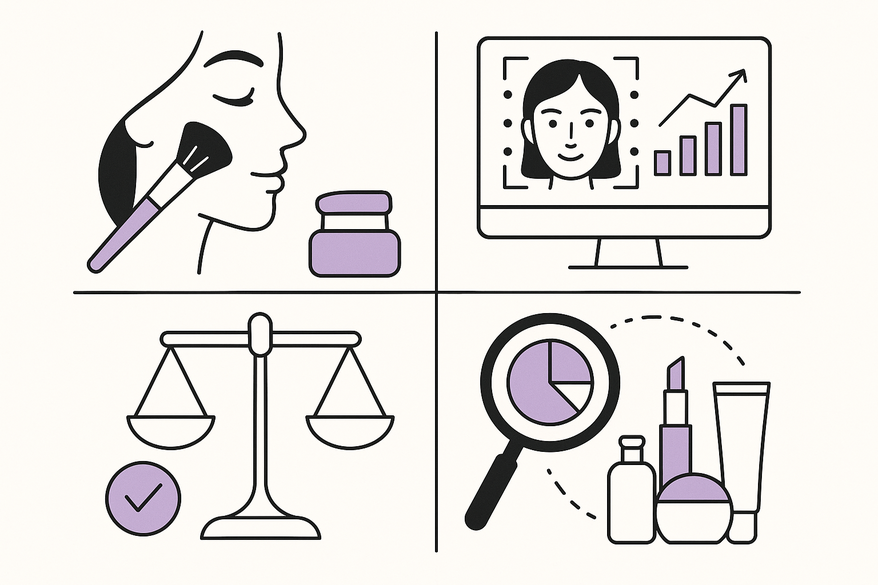
Transparent makeup AI metrics are quantifiable measures that explain how algorithms analyze skin, match shades, and recommend products in user-friendly terms. They cover accuracy, fairness, explainability, usability, and satisfaction—unlike opaque systems that hide their decision logic.
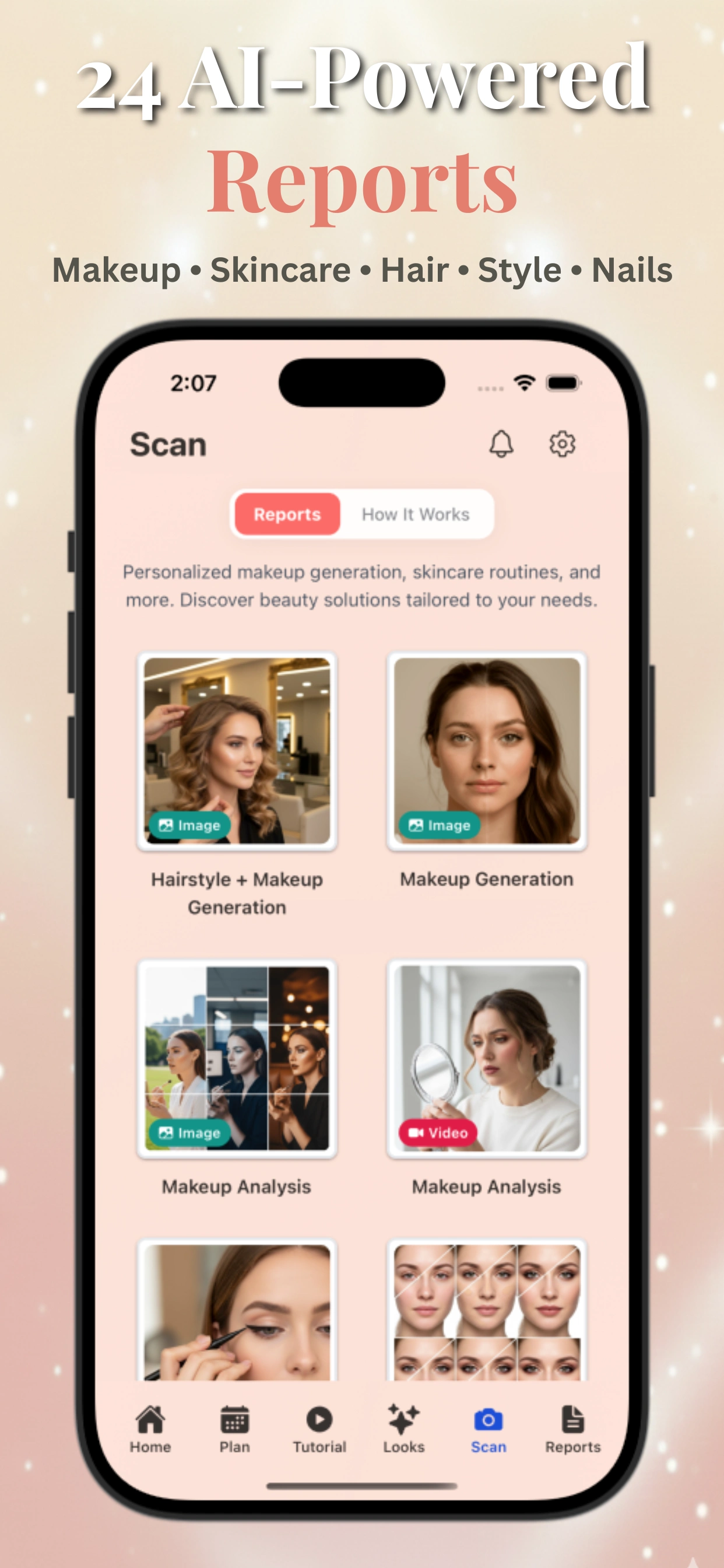
Consumers demand transparency because virtual makeup tools influence both self-image and skin health. Brands also gain by complying with regulations, avoiding bias, and standing out in a competitive market. Tools like Makeup Check AI showcase interactive dashboards that break down performance by skin tone and lighting, proving that clear metrics build trust.
Background and Context
Defining Transparent Makeup
- Product sense: Sheer, light-coverage formulas that let natural skin shine through.
- Ethical sense: Full disclosure of ingredients, data sources, and model evaluation practices. See ethical app transparency for best practices.
AI Metrics in Beauty
- Technical metrics: Accuracy, precision, recall, and F1-score for shade matching and skin assessments.
- Fairness metrics: Disparate impact ratios and error gaps across skin tones, ages, and genders.
- Explainability metrics: Tools like SHAP and LIME highlight which features (redness, undertone) drove a recommendation.
- User metrics: Task success rates, time to try-on, satisfaction scores, return rates. Explore AI evaluation for more.
Why Transparency Matters
- Bias prevention: Spotting performance gaps protects against harmful standards.
- Regulatory readiness: Auditable AI meets evolving e-commerce and cosmetics rules.
- Consumer trust: Clear metrics defend brand reputation. Learn more about trust in beauty tech.
How Metrics Work
Data Collection
- User selfies and videos for try-on; skin questionnaires.
- Ingredient databases and sourcing logs.
- Quality scores: image clarity, label accuracy against experts, and demographic coverage.
Algorithm Performance
- Facial-attribute detection models assess landmarks, skin tone, and texture.
- Calculate accuracy, precision, recall, and F1-score on stratified test sets.
- Fairness diagnostics compare error rates across demographics.
Result Validation & Monitoring
- User feedback loops track satisfaction and purchase completions.
- Drift detection dashboards alert on metric degradation.
- Explainability logs store SHAP/LIME outputs per recommendation.
Illustrative Flow
- User uploads a selfie → consent and demographics logged.
- AI extracts features → tone, redness, undertone.
- Shade recommendation models run → sheer finish suggestions.
- Metrics layer computes technical, fairness, and explainability scores.
- Transparency dashboard updates for teams and consumers.
Driving Product Development & Trust
Brands use performance data to refine formulas, adjust shades for specific skin groups, and publish high-level fairness reports that signal accountability.
Benefits and Importance
Brand & Manufacturer Benefits
- Real-time dashboards highlight biases and performance dips.
- Fairness insights guide new shade lines for underserved tones.
- Documented audits support marketing claims and compliance.
- Operational efficiency reduces returns and optimizes inventory.
Consumer Benefits
- Clear explanations (“matched on your undertone and redness”) boost confidence.
- Equal performance ensures inclusion of all skin types.
- Ethical sourcing data empower informed decisions.
Ethical Implications
- Metrics create evidence to correct biases and failures.
- Disclosure of beauty-score logic protects self-esteem.
Case Studies and Examples
In-App Skin Scanner & Dashboard
Brand X displays hydration, redness, and pigmentation scores, with explanations like “Your slight redness increased the depth of this tint.” Supply-chain AI tracks “% ethically sourced ingredients” from farm to bottle, aligning claims with data.
Virtual Try-On & Shade Recommender
Tools publish confusion matrices per tone, fairness comparisons, and “Why this shade” breakdowns tied to detected features, reducing returns and expanding inclusive shade ranges.
AI Skin-Analysis Platforms
Platforms like Haut.ai detect wrinkles, pigmentation, and pores with documented accuracy. Brands build consumer tools with traceable performance and fairness reports.
Challenges and Future Directions
Key Challenges
- Bias & representativeness: collecting diverse, consented data is complex and costly.
- Proprietary algorithms vs. transparency: balancing IP protection with disclosure.
- Metric complexity: translating technical scores into plain language.
- Regulatory uncertainty: anticipating evolving AI and cosmetics laws.
Future Trends
- Real-time transparency dashboards for internal and consumer use.
- Culturally adaptive models that respect regional beauty norms.
- Closed-loop formulation systems feeding satisfaction metrics back into R&D.
- Standardized frameworks for comparable metrics across brands.
- Hyper-personalized audits where users access their own AI logs.
Conclusion
Transparent makeup AI metrics marry cosmetic performance with algorithmic accountability. They help consumers find better shade matches, make ethical choices, and understand AI decisions. For brands, these metrics drive inclusive innovation, prepare for regulations, and strengthen customer bonds with measurable, auditable practices.
FAQ
What Are Transparent Makeup AI Metrics?
They are quantifiable measures—accuracy, fairness, explainability—that open the AI “black box” in beauty tools, showing users why and how decisions are made.
Why Do They Matter?
Transparent metrics prevent bias, support regulatory compliance, and build consumer trust by explaining shade matches and recommendations.
How Do Brands Implement Them?
Brands collect diverse data, run fairness diagnostics, integrate explainability tools like SHAP/LIME, and publish dashboards for internal teams and consumers.
What Benefits Do Consumers See?
Clear explanations boost confidence, inclusive performance ensures all skin tones are served, and ethical sourcing data empowers informed choices.