Transparent Makeup AI Metrics: Revolutionizing the Cosmetics Industry
Explore how transparent makeup AI metrics combine ingredient disclosure and explainable AI to boost consumer trust, ethical standards, and innovation in cosmetics.

Estimated reading time: 8 minutes
Key Takeaways
- Transparent makeup AI merges clear ingredient disclosure with explainable AI evaluations to build consumer trust.
- AI technologies such as computer vision, AR try-on, and sentiment analysis drive personalized beauty metrics.
- Core metrics include quality (ΔE shade-match accuracy), safety signals, sustainability scores, and customer satisfaction indices.
- Integration tools like dashboards, blockchain provenance, and explainability frameworks ensure fairness and traceability.
- Industry impact spans data-driven innovation, improved quality control, stronger sustainability credentials, and competitive advantage.
Table of Contents
- I. Introduction
- II. Defining Transparent Makeup
- III. The Role of AI in the Makeup Industry
- IV. Understanding Metrics in the Beauty Context
- V. Integrating AI and Transparency in Makeup Evaluation
- VI. Benefits for Consumers and the Industry
- VII. Challenges and Considerations
- VIII. Future Trends and Innovations
- IX. Conclusion
- FAQ
I. Introduction
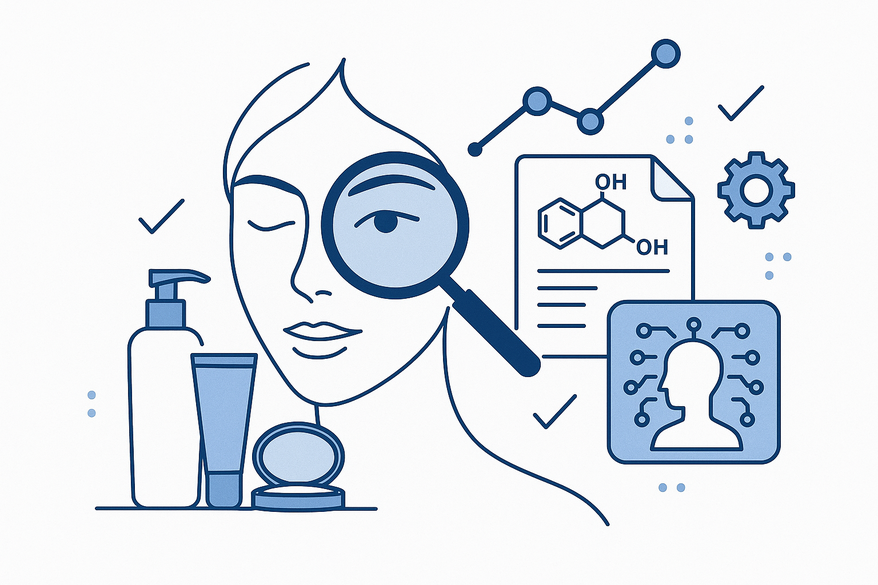
Transparent makeup AI metrics combine clear ingredient disclosure with AI-driven evaluations of performance, bias, and explainability to redefine beauty standards. By merging open-source INCI data with algorithmic assessments of quality, safety, ethical claims, and environmental impact, brands meet growing consumer demands for verifiable sourcing, cruelty-free assurances, and sustainability credentials.
This post will:
- Define transparent makeup concepts and ingredient visibility
- Explore AI’s roles in skin analysis, virtual try-on, and sentiment mining
- Detail key beauty metrics for quality, safety, sustainability, and satisfaction
- Show how AI integrates with transparency via dashboards and blockchain
- Highlight consumer and industry benefits, challenges, and future innovations
II. Defining Transparent Makeup
Transparent makeup means full, verifiable disclosure across three pillars:
- Ingredient transparency
– Complete INCI lists with functional roles (emollient, preservative)
– Open-source references for each chemical or botanical component - Sourcing transparency
– Origin tracing from farm or lab to factory
– Sustainability credentials (organic, FairTrade, carbon offsets)
– Labor practice audits (ethical wages, no child labor) - Ethical transparency
– Cruelty-free certifications (Leaping Bunny, PETA)
– Vegan status and allergen alerts
– Carbon-footprint reporting and packaging recyclability
Impact on consumer trust:
When brands reveal ingredient functions and provenance, users can assess allergens, potency, and ethical alignment. This clarity reduces shopping anxiety, supports informed decisions, and deters greenwashing. For instance, sensitive-skin users can filter by preservative types, while ethical buyers verify cruelty-free supply chains.
III. The Role of AI in the Makeup Industry
AI technologies power modern cosmetic innovation through:
- Computer vision for skin analysis
– CNNs detect acne, fine lines, hyperpigmentation by segmenting skin images layer by layer
– Real-world example: Brand X’s dermatologist-grade scanner identifies hydration and texture irregularities - Virtual try-on and augmented reality
– Facial landmark detection maps lip, eye, and cheek contours in real time
– AR overlays digital makeup, letting users test thousands of shades via smartphone - Big-data trend analysis
– Mining social media hashtags and e-commerce sales to spot shade gaps or rising color trends
– Predictive modeling forecasts next-season favorites with 85% accuracy - Consumer feedback processing
– NLP sentiment analysis extracts safety signals (e.g., “irritation,” “rash”) from reviews
– Topic modeling surfaces common concerns about fragrance or stickiness
Key AI evaluation metrics:
• Accuracy: Correct shade matches against ground-truth samples
• Precision, Recall, F1-score: Balance detection of skin issues and safety signals to minimize false positives and negatives
For deeper exploration of AI-driven cosmetic performance metrics, consult our dedicated analysis. These benchmarks guide iterative improvements, ensuring algorithms meet performance thresholds and fairness across skin tones.
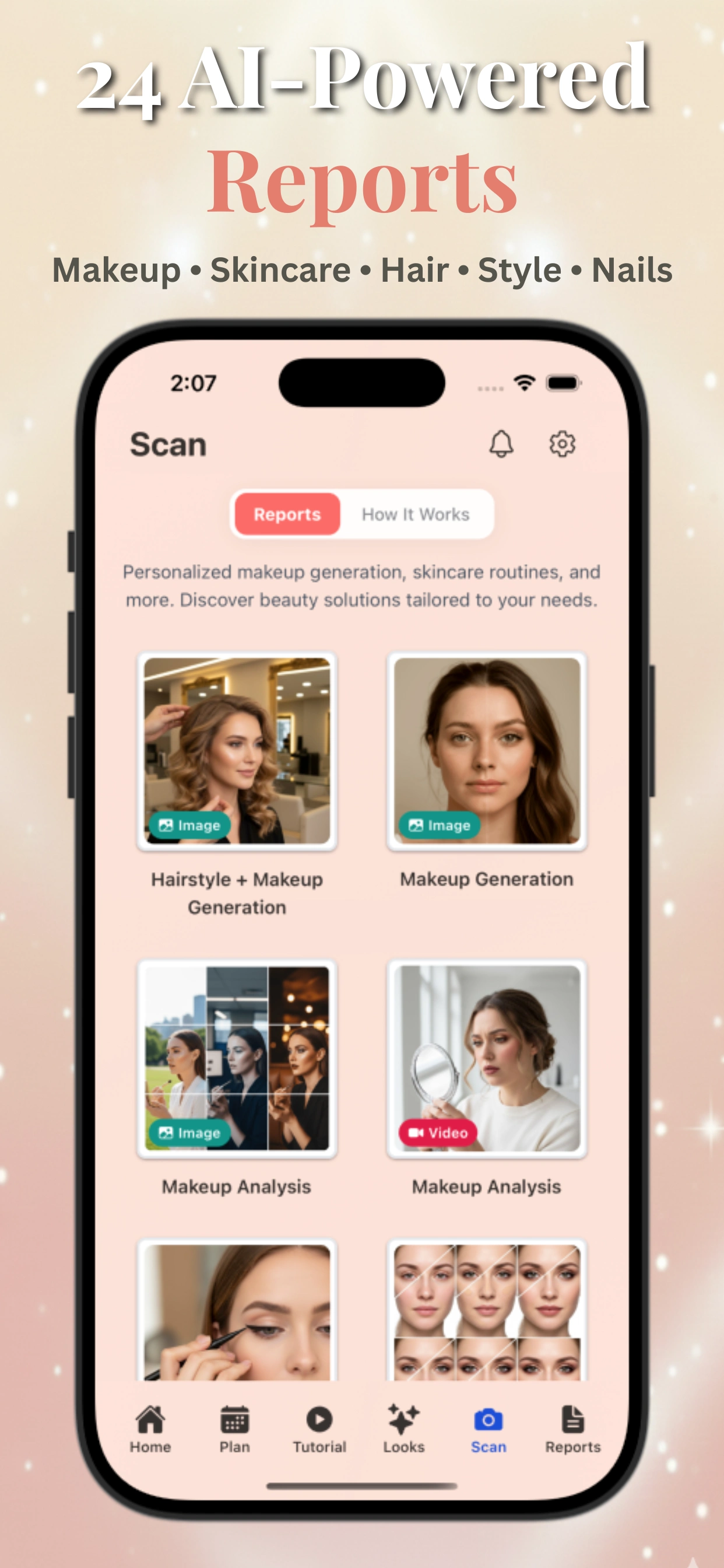
To experience transparent AI metrics firsthand, visit Makeup Check AI for explainability reports and visual dashboards.
IV. Understanding Metrics in the Beauty Context
Brands track multiple metrics to evaluate products and AI systems:
- Quality metric
– Mean color difference (ΔE) quantifies shade-matching error under standardized lighting
– Acceptable ΔE thresholds (≤1.0) indicate imperceptible mismatch - Safety metric
– Adverse reaction signals mined from reviews and incident reports
– Frequency of “burning,” “swelling,” or “redness” normalized per 1,000 uses - Sustainability metric
– Percentage of ingredients certified by COSMOS or FairTrade bodies
– Carbon emissions per unit via life-cycle assessment (LCA) - Customer satisfaction metric
– Net Promoter Score (NPS) gauging likelihood to recommend
– Trust score from weighted sentiment analysis of multi-platform reviews
Measurement tools include image-recognition systems for counterfeit detection, fairness audits across Fitzpatrick skin types, and explainability frameworks (SHAP, LIME) to reveal which inputs drive AI outputs. Together, these metrics form a holistic beauty performance profile.
V. Integrating AI and Transparency in Makeup Evaluation
Brands weave transparency into every evaluation stage:
- Ingredient-database scanning
– AI-powered OCR cross-references labels with public INCI repositories
– Automates detection of undeclared or misnamed chemicals - Provenance tracking
– Blockchain or API integrations trace ingredient batches from growers to manufacturers
– Immutable ledgers prevent supply-chain tampering - Transparency dashboards
– Visual KPIs: disclosure rate, supply-chain validation score
– Real-time updates on raw-material audits and certifications - Fairness metrics
– Analyze shade-matching performance across diverse skin tones
– Report equity scores to ensure no demographic sees higher error rates - Explainability tools
– Use SHAP or LIME to rank ingredient contributions to performance scores (e.g., pigment stability)
Case Study A – Brand X Skin Scanner
Algorithm: CNN + linear regression predicting hydration index from image pixels. Transparent logic: publishes SHAP weights showing which facial regions most influence scores.
Case Study B – Ethical Sourcing Tool
Dashboard reports real-time percentage of ingredients meeting cruelty-free and labor-standard criteria. Outcome: 20% reduction in returns and a 15% uplift in inclusivity ratings after launch.
VI. Benefits for Consumers and the Industry
Consumer benefits:
- Enhanced trust through clear ingredient lists and unbiased AI recommendations
- Informed purchasing decisions reducing allergic reactions and mismatches
- Increased confidence via fairness audits ensuring shade inclusivity
Industry benefits:
- Real-time insights accelerating product development cycles
- Continuous monitoring of color accuracy and safety signals
- Objective sustainability metrics differentiating eco-friendly brands
- Strengthened reputation and consumer loyalty through transparent AI
These advantages align with trust-focused frameworks emphasizing ingredient clarity and ethical claims.
VII. Challenges and Considerations
Key challenges include:
- Data accuracy and bias
– Limited demographic datasets risk “garbage in, garbage out” errors
– Fairness diagnostics must flag performance gaps across skin types - Ethical considerations
– Privacy and consent protocols for biometric skin scans
– Secure storage and anonymization to protect user identity - Standardization needs
– Industry frameworks for AI metric reporting and ingredient disclosures
– Governance on model architectures, versioning, and audit logs - Bias mitigation strategies
– Independent bias audits and user feedback loops
– Transparent consent mechanisms detailing data usage
Privacy remains paramount, necessitating robust AI beauty app privacy concerns protocols and data governance.
VIII. Future Trends and Innovations
Emerging directions include:
- Standardized transparency frameworks for consistent AI metric disclosure and ingredient labeling
- Hyper-personalized AI audits tailored to individual skin profiles with dynamic algorithm adjustments
- Real-time consumer dashboards updating ingredient sourcing, sustainability scores, and fairness metrics live
- AI guardrails and model-drift monitoring with automated alerts when metrics deviate from thresholds
- Integrated beauty reports combining quality, safety, fairness, and sourcing data into consumer-facing scorecards
These innovations promise deeper engagement, stronger regulatory compliance, and continuous product optimization.
IX. Conclusion
Transparent makeup AI metrics integrate open ingredient data with explainable AI evaluations of quality, safety, fairness, and sustainability. This synergy drives beauty-industry innovation, fortifies consumer trust through auditable insights, and advances ethical, inclusive standards. Brands and consumers alike should embrace transparent AI metrics to foster a more accountable, innovative, and trustworthy beauty future.
FAQ
- What are transparent makeup AI metrics?
They are a combination of open ingredient disclosure and AI-driven evaluations—covering performance, safety, fairness, and sustainability—to provide auditable beauty insights. - How does AI ensure fairness across skin tones?
Through fairness audits and performance metrics like shade-match accuracy across diverse Fitzpatrick skin types, along with equity scores reported transparently. - Can consumers verify ingredient sourcing?
Yes—blockchain provenance tracking and transparency dashboards allow anyone to trace ingredient batches from farm to factory. - What future innovations are expected?
Look for standardized disclosure frameworks, hyper-personalized AI audits, real-time dashboards, and integrated consumer scorecards combining all key metrics.