Transparent Makeup AI Metrics: Ensuring Fairness, Clarity, and Trust
Explore transparent makeup AI metrics to measure clarity, fairness, and trust in beauty. Learn how AI audits ingredients and supports ethical claims.

Estimated reading time: 8 minutes
Key Takeaways
- Quantifying Transparency: AI metrics—accuracy, fairness, explainability, data quality—offer a clear framework for auditing makeup disclosures.
- Trust & Compliance: Detailed metrics build consumer trust, reduce greenwashing risk, and align with regulations like the EU AI Act.
- AI in Action: From ingredient scanning and computer vision to SHAP and LIME explanations, AI tools reveal hidden risks and decisions.
- Metric Families: Performance, fairness, explainability, data quality, and user-centric measures ensure holistic transparency audits.
- Implementation Roadmap: Data pipelines, knowledge graphs, vision pipelines, and dashboards form the backbone of measurement methodologies.
- Future Outlook: Transparency seals, real-time monitoring, and evolving regulations will shape the next generation of ethical beauty tech.
Table of Contents
- 1. Introduction to Transparent Makeup AI Metrics
- 2. Understanding Transparent Makeup
- 3. The Role of AI Metrics in the Makeup Industry
- 4. AI Metrics in Evaluating Makeup Transparency
- 5. Methodologies for Measuring Transparent Makeup AI Metrics
- 6. Industry Impact & Future Trends
- 7. Conclusion & Recommendations for Brands
- FAQ
1. Introduction to Transparent Makeup AI Metrics
Transparent makeup AI metrics are quantitative measures—such as accuracy, fairness, explainability, and data‐quality scores—used to audit how honestly and clearly makeup products and AI‐driven beauty tools disclose ingredients, ethics, and claims across the product lifecycle.
- Builds consumer trust by showing ingredient sources and evidence for “clean,” “vegan,” or “cruelty-free” labels.
- Enables auditability of ingredient lists, shade inclusivity, and supply‐chain claims.
- Meets rising regulations (for example, the EU AI Act now requires clear documentation of AI models and data use).
AI’s role in transparency:
- Scans ingredient lists, safety databases, and regulatory lists to flag allergens, banned substances, or environmental risks.
- Uses computer vision for quality control—verifying color consistency, detecting counterfeit packaging, and ensuring label accuracy.
- Applies explainability tools like SHAP and LIME to show why a formula or claim was flagged, making AI decisions clear to regulators and consumers.
For more on building trust through clear AI disclosures, see trust in beauty tech transparency.
2. Understanding Transparent Makeup
Transparent makeup rests on three core pillars that define true makeup transparency:
- Complete ingredient disclosure
• Full INCI lists, allergen callouts, microplastic tracking, and concentration data where required. - Ethical sourcing
• Traceable raw‐material origins, documented labor conditions, and environmental stewardship reports. See ethical beauty tech practices. - Evidence-backed claims
• Labels such as “non-comedogenic,” “vegan,” or “reef-safe” tied to lab tests or third-party certifications.
Additional pillars some brands adopt:
- Lifecycle visibility—end-to-end traceability from raw ingredients through packaging and disposal.
- Inclusive design—documentation that product shades and formulas perform across diverse skin tones and types.
Consumer demand data: Gen Z and younger shoppers list AI transparency and personalization as top beauty priorities. They expect clear ingredient info and proof that AI tools are fair and unbiased, especially for shade matching and skin analysis.
3. The Role of AI Metrics in the Makeup Industry
AI metrics power every stage of modern cosmetics:
- Formulation & R&D
• Machine‐learning models link ingredient combos to safety logs, irritation reports, and stability outcomes. This reduces lab trial time and flags high‐risk formulas early. - Shade Matching & Virtual Try-On
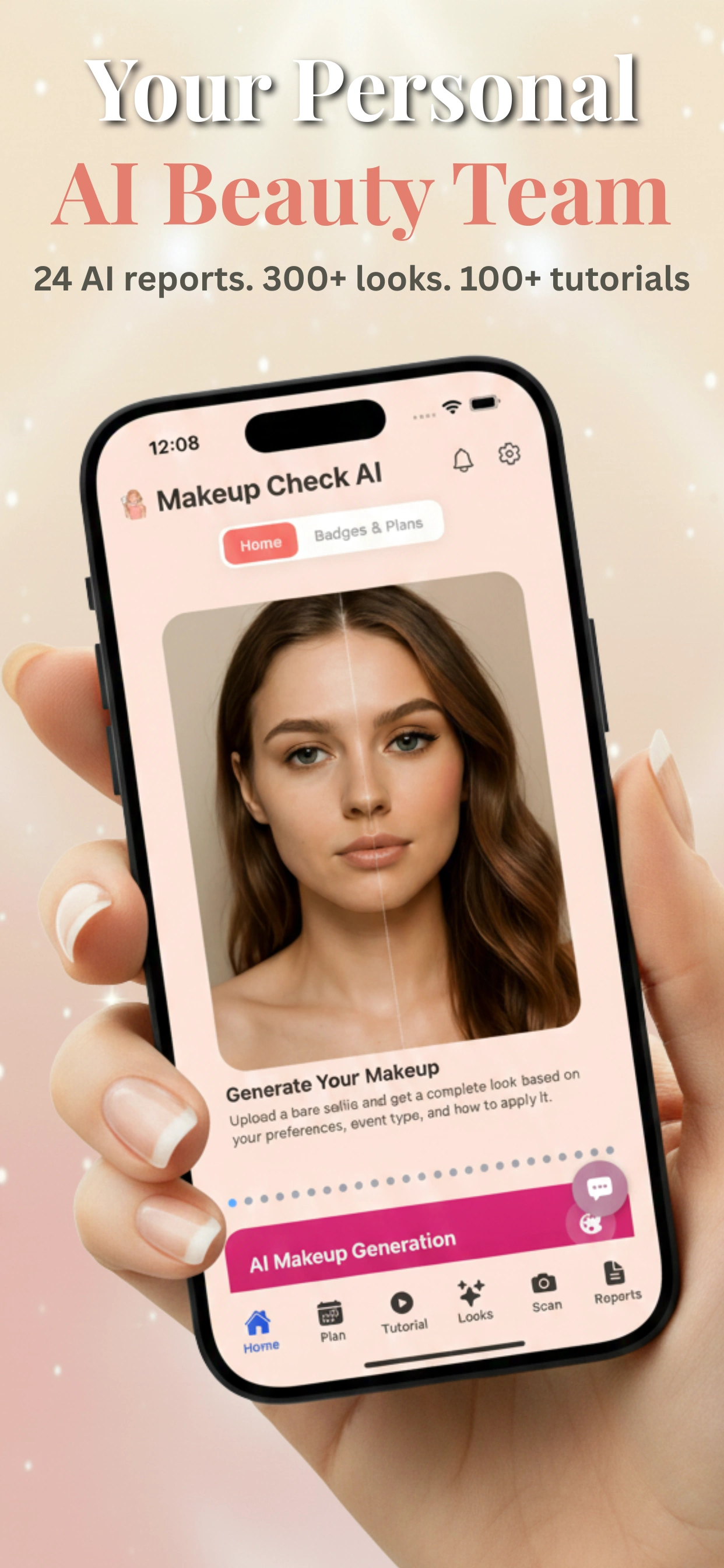
• Computer‐vision systems analyze lighting and skin tone to recommend foundation and concealer shades. Accuracy and fairness scores ensure consistent performance across all skin tones.
- Skin Analysis Tools
• Facial algorithms assess pores, redness, hyperpigmentation, and texture. They suggest tailored routines and products based on measured skin concerns. - Supply Chain & Sourcing
• AI tracks raw‐material provenance, comparing supplier data to certifications. Discrepancies trigger alerts for further review. - Marketing & Customer Service
• Chatbots and recommendation engines use natural‐language and image‐based AI. Relevance, helpfulness, and trust ratings measure their performance.
Brands can benchmark fairness and transparency scores directly through Makeup Check AI to ensure real-world performance aligns with their disclosure commitments.
4. AI Metrics in Evaluating Makeup Transparency
Key metric families used to audit transparency:
- Performance Metrics
Accuracy, precision, recall, and F1‐score for tasks like ingredient classification, shade matching, and claim verification. - Fairness/Bias Metrics
Disparate‐impact ratios, subgroup accuracies, and equal opportunity gaps to ensure even performance across demographics. - Explainability/Transparency Metrics
Explainability scores, model cards summarizing intended use, and transparency indices rating documentation completeness. - Data Quality Metrics
Representativeness across skin tones, label accuracy, and completeness of ingredient and supplier data. - User‐Centric Metrics
Relevance, coherence, helpfulness, and user trust ratings for AI-driven suggestions.
5. Methodologies for Measuring Transparent Makeup AI Metrics
Processes & Tools
- Data Ingestion & Normalization
Collect structured INCI lists, supplier certificates, test reports, regulatory documents, and packaging images; clean and standardize names, formats, and IDs. - Knowledge Graph + ML
Build a knowledge base linking ingredients to safety data, environmental impacts, and use restrictions; train classifiers to flag unfamiliar compounds. - Computer Vision Pipelines
Detect label discrepancies, counterfeit packaging, and visual QC issues in production and retail settings. - Explainability & Fairness Toolkits
Use SHAP and LIME for human‐readable explanations; leverage IBM AIX360 for bias detection and fairness audits. - Transparency Dashboards
Aggregate performance, fairness, data quality, and documentation metrics; provide real‐time visibility to teams and consumers.
6. Industry Impact of Transparent Makeup AI Metrics & Future Trends
Current Impact
- Brands using transparent makeup AI metrics stand out as ethical, data-driven, and consumer-centric—traits prized by Gen Z.
- Public fairness and ingredient-risk dashboards reduce reputational risk and support regulatory compliance under evolving AI and product-safety laws.
Future AI & Regulation
- Standardized “AI transparency seals” akin to nutrition labels will allow consumers to compare brands’ AI disclosure at a glance.
- The EU AI Act and similar regulations will mandate detailed model documentation, data lineage, and risk management for beauty tools.
- Real-time monitoring systems will update risk scores and claim validity immediately as new safety studies or regulations emerge.
For guidance on ethical beauty-tech practices that prioritize transparency and privacy, refer to ethical beauty tech practices.
7. Conclusion & Recommendations for Brands
Key Summary
- Transparent makeup AI metrics unite full lifecycle visibility (ingredients, sourcing, claims) with AI performance, fairness, explainability, and data-quality scores.
- AI audits ingredient safety, verifies ethical claims, monitors shade inclusivity, and delivers clear, auditable reports—turning transparency into evidence.
Why It Matters
- Moves transparency from marketing hype to quantified, third-party-auditable proof.
- Prevents bias, greenwashing, and misleading claims while aligning with emerging AI and product regulations.
Five Practical Recommendations
- Map Your Transparency Goals—Decide which disclosures you will make (ingredients, AI usage, test data) and choose metrics (safety, fairness, explainability) that matter most.
- Establish an AI Metrics Framework—For each use case (risk detection, shade matching, chatbots), set target thresholds for accuracy, fairness, explainability, and data quality before deployment.
- Implement Dashboards & Model Cards—Publish internal and consumer-facing dashboards with disaggregated metrics and clear model cards detailing intended use and limitations.
- Audit Regularly for Bias & Drift—Conduct periodic fairness and performance audits across demographics. Document any remediation steps and report updates transparently.
- Engage Consumers & Regulators—Explain in plain language how your AI works, what data it uses, and what safeguards are in place. Invite feedback to refine your metrics and practices.
To see how real-time AI analytics can support your transparency goals, explore AI Makeup App.
FAQ
- What are transparent makeup AI metrics?
They are quantitative measures—accuracy, fairness, explainability, data quality—used to audit and disclose makeup AI tools and product claims. - Why are fairness metrics critical in beauty AI?
Fairness metrics ensure AI systems perform consistently across skin tones and demographics, reducing bias and promoting inclusivity. - How can brands implement transparency dashboards?
By aggregating performance, fairness, and data-quality metrics into user-friendly interfaces that are updated in real time for both internal teams and consumers. - What role do explainability tools play?
Tools like SHAP and LIME demystify AI decisions, showing why a formula or claim was flagged and building trust with regulators and shoppers.