How Transparent Makeup AI Metrics Are Transforming the Beauty Industry
Discover how transparent makeup AI metrics enhance ingredient clarity, safety, and fairness, transforming beauty evaluation from anecdotal reviews to data-driven insights.

Estimated reading time: 8 minutes
Key Takeaways
- Definition: Transparent makeup AI metrics are clear, explainable measurements for ingredient clarity, safety, fairness, and performance.
- Benefits: Brands gain trust, regulatory compliance, and differentiation; consumers get data-driven insights and safer, inclusive products.
- AI Techniques: Computer vision, machine learning, and NLP drive ingredient analysis, shade matching, and sentiment mining.
- Metrics Covered: Ingredient & safety scores, performance indicators, fairness and transparency audits, reliability measures.
- Future Outlook: Real-time dashboards, multimodal analyses, industry-wide frameworks, sustainability and inclusivity metrics.
Table of Contents
- Understanding Transparent Makeup
- The Role of AI in the Makeup Industry
- Exploring AI Metrics in Transparent Makeup
- Benefits and Challenges
- Future Trends and Innovations
- Conclusion
Understanding Transparent Makeup
Transparent makeup is anchored in three pillars:
Ingredient Transparency
- Full INCI lists: every chemical and botanical name disclosed
- Allergen disclosure: clear warnings for common irritants (fragrance, nut derivatives)
- Origin details: natural vs. synthetic sourcing and safety profiles
Ethical Production
- Cruelty-free certifications (Leaping Bunny, PETA)
- Sustainable sourcing: palm-oil alternatives, fair-trade pigments
- Labor practices: audits for worker safety and fair wages
- Eco-friendly packaging: recyclable, refillable, or biodegradable materials
Clear Labeling & Claims
- Evidence-backed performance: non-comedogenic, long-wear data
- Honest marketing: no overhyped “miracle” promises
- Third-party verification: ISO or SGS testing for durability and safety
Consumers today are savvy and skeptical of greenwashing, pushing brands to back their statements with data and certificates. For more on ethical app practices and transparency in beauty tech.
The Role of AI in the Makeup Industry
AI technologies drive both product innovation and consumer insights:
- Computer Vision: analyzes skin tone, texture, pigmentation, pore size
- Machine Learning: predicts formulation stability, user preferences
- NLP: mines reviews and social media for sentiment and side-effect reports
From shade-matching to safety flags, AI gathers data at scale for personalized beauty solutions.
Tools like Makeup Check AI exemplify transparent AI metrics by providing users with clear ingredient and performance reports in real time.
Demo of the Reports Tab in Makeup Check AI showing detailed, transparent metrics.
Exploring AI Metrics in Transparent Makeup
AI metrics are quantitative indicators that describe system performance and outcomes. They ensure explainability, fairness, and continuous monitoring in makeup applications.
Ingredient & Safety Metrics
- High-risk ingredient frequency: count of restricted or flagged chemicals per SKU
- Safety compliance coverage: percentage of formulations mapped to current regulatory lists (FDA, EU)
- Allergen/irritant risk scores: composite values combining toxicology data and real-world adverse events
Product Performance Metrics
- Computer-vision scores: coverage uniformity, longevity, transfer resistance, shade-match accuracy
- Consumer satisfaction metrics: sentiment scores derived from ratings, reviews, and NPS
Ethical & Fairness Metrics
- Shade-range coverage: percentage of skin tones accurately represented
- Fairness audits: bias detection in virtual try-on tools
- Supply-chain transparency score: traceability index for key raw materials
System Transparency & Reliability Metrics
- Model performance: accuracy, precision, recall, F1-score
- Explainability scores: SHAP values, LIME explanations
- User trust feedback: in-app ratings on AI recommendation clarity
Benefits and Challenges
Benefits for Brands
- Accelerated R&D: AI metrics guide rapid iteration on formulations
- Regulatory readiness: scores align with cosmetics and AI trustworthiness guidelines
- Heightened consumer trust: publish dashboards with ingredient risks, shade inclusivity, and performance
Benefits for Consumers
- Actionable labels: AI-powered dashboards summarize safety, performance, and inclusivity
- Personalized routines: accurate shade matching and product recommendations
Challenges
- Data quality and bias: requires regular fairness audits
- Lack of universal standards: hinders cross-brand comparisons
- Communicating technical metrics: F1-scores and fairness ratios need consumer-friendly translation
- Privacy and governance: handling images and behavior data demands strong consent protocols
For a deeper dive into trust in beauty tech transparency.
Future Trends and Innovations
- Multimodal AI analyses: images, videos, sensor data, and text for complete profiles
- Real-time transparency dashboards: live updates on safety and bias audits
- Industry-wide frameworks: ISO-style guidelines for makeup AI trustworthiness
- New sustainability & inclusivity metrics: carbon footprint, water use, cultural representation
- Consumer-controlled data ecosystems: profile portability and granular data-use metrics
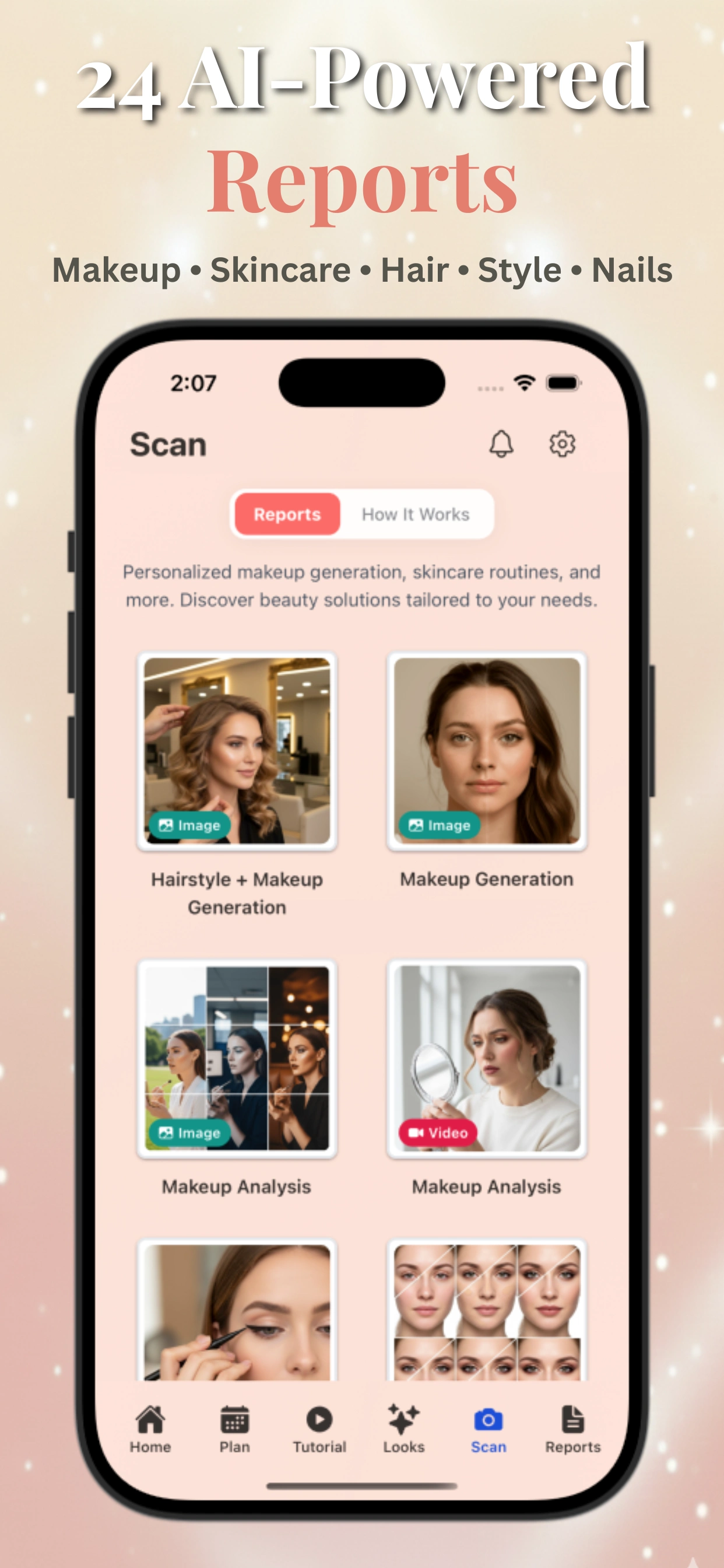
Makeup Check AI’s dashboard showcasing 24 AI-powered reports for ingredient, performance, and inclusivity metrics.
Conclusion
Transparent makeup AI metrics unite ingredient, ethical, and algorithmic transparency to drive trust, safety, and innovation in beauty. By openly publishing AI scores on safety compliance, shade inclusivity, fairness audits, and model reliability, brands can meet consumer demands and regulatory expectations. As the industry adopts standardized frameworks and real-time transparency dashboards, customers will gain clearer insights into product performance and data use. Embrace the era of transparent makeup practices and robust AI metrics to shape a more ethical, effective, and trustworthy beauty future.
Visit Makeup Check AI to explore how transparent AI-driven reports can transform your beauty routine.
FAQ
- What are transparent makeup AI metrics?
- They are clear, explainable measurements from AI systems that assess ingredient clarity, safety, fairness, and product performance in beauty applications.
- Why are these metrics important?
- They foster trust, ensure regulatory compliance, and enable data-driven decisions for both brands and consumers.
- What challenges do brands face in adopting them?
- Challenges include data quality, bias mitigation, standardization hurdles, and communicating technical scores to consumers.
- How can consumers benefit from transparent AI metrics?
- Consumers gain actionable insights on safety, personalized shade matching, and assurance of ethical and inclusive practices.