Understanding Transparent Makeup AI Metrics: Measuring Transparency and Performance in Beauty Tech
Explore how transparent makeup AI metrics enhance transparency, performance, and consumer trust in beauty tech. Learn key metrics for accurate, fair, and satisfying results.


Estimated reading time: 6 minutes
Key Takeaways
- Transparent makeup AI metrics ensure accurate shade matching and natural finish recommendations.
- Core metrics include accuracy, fairness, explainability, usability, and user satisfaction.
- Transparency in algorithms builds consumer trust and meets regulatory standards.
- Challenges include bias, interpretability, and balancing aesthetics with quantifiable data.
- Future trends point to real-time dashboards, culturally adaptive models, and closed-loop formulation systems.
Table of Contents
- Overview of Transparent Makeup
- Role of AI in the Makeup Industry
- Understanding AI Metrics in Transparent Makeup
- Importance of Transparency in AI and Makeup
- Challenges and Future Trends
- Conclusion
- FAQ
Overview of Transparent Makeup
Transparent makeup refers to cosmetic formulations that provide sheer or light coverage, a natural skin-like finish, and breathable textures. It enhances rather than conceals, aligning with minimal beauty routines and clean-label demands.
- Sheer coverage that lets freckles and natural tone show through.
- Weightless, “barely there” finish for a natural look.
- Breathable gels, tints, and serums that let skin breathe.
- Clear ingredient communication to satisfy clean-beauty consumers.
- Sustainable and refillable packaging options.
"In focus‐group tests, 78% preferred sheer-coverage tints with full ingredient listings."
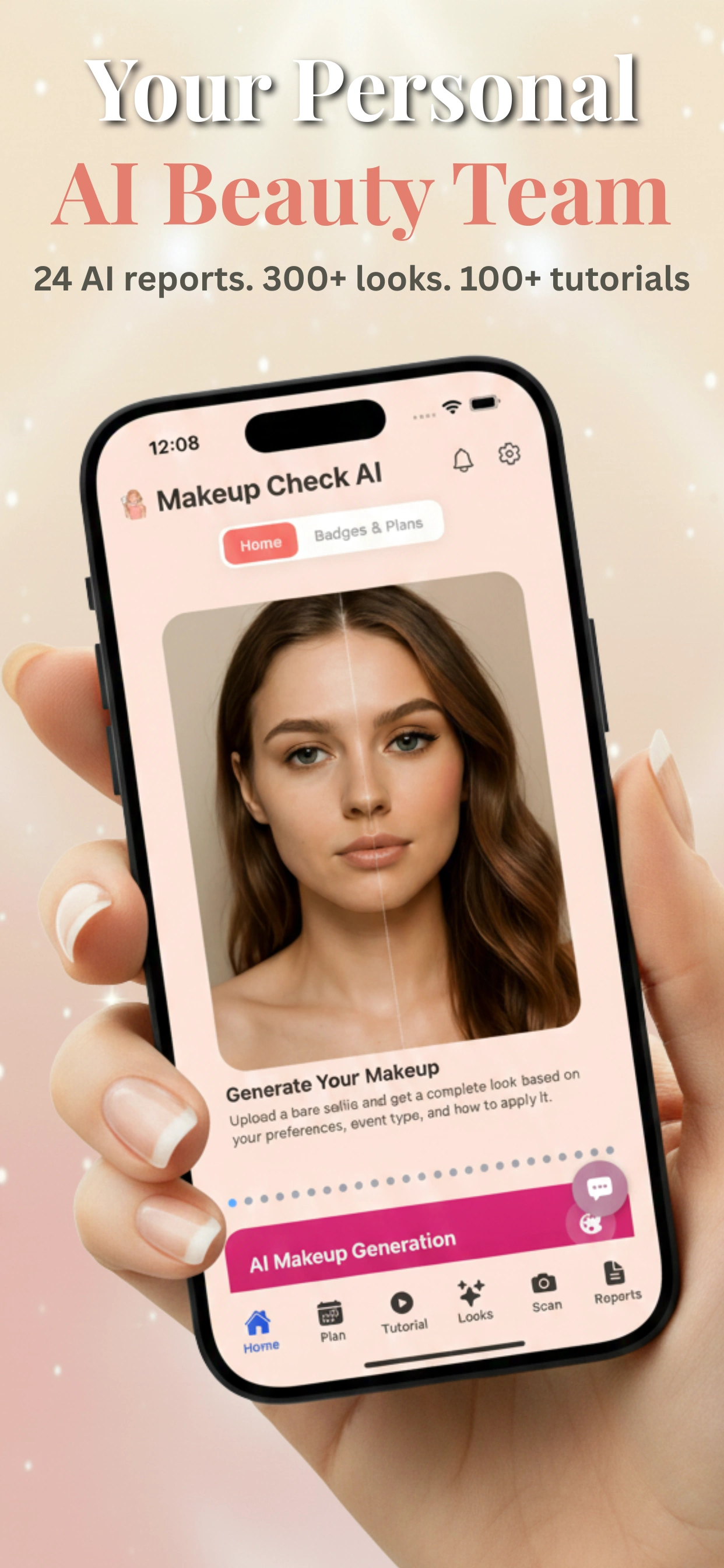
Brands like Makeup Check AI now empower users with transparent metrics, making every recommendation traceable.
Role of AI in the Makeup Industry
AI is revolutionizing how transparent makeup is developed, tested, and delivered. Key applications include:
- Virtual Try-Ons
Facial landmark detection and texture mapping overlay sheer products on live video or photos. Real-time adjustments ensure matches under varied lighting. LSI: computer vision, augmented reality beauty. For details, see virtual makeup try-on beauty tech. - Personalized Recommendations
Engines analyze skin tone, texture, and concerns to suggest tinted moisturizers or balms. Synonyms: bespoke suggestions, customized picks. Learn more: AI makeup app routine. - Digital Simulations
Generative models predict finish under daylight, office lights, or flash, simulating skin states like oiliness or redness to refine formulations. - Skin and Feature Analysis
AI measures uniformity, pore visibility, and color distribution to match products to user needs.
Understanding AI Metrics in Transparent Makeup
AI metrics in transparent makeup gauge performance in shade matching, finish simulation, and user interaction. They span three categories:
Technical Performance Metrics
- Accuracy: Correctly predicting shade or coverage.
- Precision & Recall: Precision measures matching suggestions; recall ensures all suitable options appear.
- F1 Score: Harmonic mean of precision and recall.
User- and Trust-Focused Metrics
- Usability: Task success rates and time to complete virtual try-ons.
- User Satisfaction: Ratings on realism and purchase intent.
- Fairness & Bias: Performance across diverse tones and ages, using disparate impact ratios.
- Explainability: Clarity on which features or parameters drove recommendations.
Lifecycle Metrics
- Upstream: Data quality and demographic coverage scores.
- Model: Architecture logs, hyperparameters, validation trends.
- Downstream: Drift detection and live feedback loops.
During beta tests, teams tracked F1 scores above 0.85 and satisfaction ratings above 4.5/5 for sheer matches.
Importance of Transparency in AI and Makeup
Transparency builds trust in products and AI systems alike.
- Cosmetics Transparency: Full ingredient disclosure reduces skepticism; 62% avoid vague marketing.
- AI Transparency: Disclosing data use, logic, and limitations acts like an AI product label. Regulatory drivers, such as the EU AI Act, demand documented audit trails.
- Ethical & Business Impacts: Publishing bias assessments and live dashboards boosts loyalty and compliance.
"Transparent documentation frameworks align practitioners and policymakers on best practices."
Challenges and Future Trends
Key challenges and emerging directions include:
Challenges
- Subjective Aesthetics: Balancing cultural preferences with measurable data.
- Bias & Data Gaps: Ensuring representation across tones and ages.
- Complexity vs. Explainability: Hybrid models that combine deep nets with interpretable rules.
Future Trends
- Richer user-centric metrics combining realism, confidence, and emotional response.
- Advanced fairness models that adapt to cultural norms.
- Real-time transparency dashboards for public performance and bias metrics.
- Closed-loop integration with lab tests for wear time and transfer resistance.
Conclusion
Transparent makeup AI metrics bridge cosmetic performance with algorithmic accountability. By prioritizing accuracy, fairness, usability, satisfaction, and explainability, brands can deliver inclusive and ethical experiences. We encourage industry leaders to adopt shared frameworks, publish open documentation, and run continuous audits. Stronger standards will ensure that as transparent makeup looks great on skin, the AI behind it remains transparent and trustworthy.
FAQ
- What are transparent makeup AI metrics?
- They are measurable criteria—like accuracy, fairness, and explainability—that evaluate AI-driven shade matching and finish simulations for sheer makeup.
- Why is transparency important in makeup AI?
- Transparency fosters consumer trust, meets regulatory requirements, and ensures accountability in recommendations and formulations.
- How can brands improve AI transparency?
- Publish bias assessments, provide clear decision logic, implement real-time performance dashboards, and maintain representative training data.