Transparent Makeup AI Metrics: How Data and Algorithms Are Redefining Honest Beauty
Discover how transparent makeup AI metrics redefine honest beauty through data-driven transparency, ensuring accuracy, fairness, and trust in cosmetics.

Estimated reading time: 8 minutes
Key Takeaways
- Transparent makeup involves full ingredient disclosure and ethical sourcing.
- AI metrics such as accuracy, fairness, and explainability quantify transparency.
- Key technologies include computer vision, data analytics, and explainability toolkits.
- Beauty brands gain real-time dashboards and quality-control insights from AI.
- Emerging trends highlight real-time transparency, hyper-personalization, and ethical challenges.
Table of Contents
- Section 1: What Is Transparent Makeup and Why It Matters
- Section 2: What Are AI Metrics?
- Section 3: Key Technologies Powering AI Metrics in Cosmetics
- Section 4: How AI Metrics Elevate Transparency for Beauty Brands
- Section 5: Emerging Trends and Ethical Considerations
- Conclusion & Call to Action
Section 1: What Is Transparent Makeup and Why It Matters
Transparent makeup is defined by three pillars:
- Complete ingredient disclosure—revealing everything from allergens to microplastics.
- Ethical sourcing—documenting origin, labor conditions, and environmental stewardship.
- Evidence-backed claims—verifiable assertions like “reef-safe” or “cruelty-free.”
These standards mirror demands for explainable and accountable AI systems and underscore why transparency is essential across consumer products. For a broader perspective on trust and ethics in beauty technology, see trust in beauty technology.
Market Importance of Transparency
- Builds trust & loyalty: Open data fosters consumer confidence, much like transparent AI metrics.
- Regulatory compliance: Jurisdictions are tightening rules on greenwashing and labeling accuracy.
- Risk mitigation: Detailed records streamline recalls and reduce PR crises.
Section 2: What Are AI Metrics?
AI metrics are quantitative measures that evaluate a system’s performance, fairness, and robustness. Common examples include:
- Accuracy, precision, recall, F1 score for classification tasks.
- Fairness scores to assess bias across demographic groups.
- Explainability scores highlighting interpretability of decision paths.
- User trust metrics capturing satisfaction and coherence of AI recommendations.
For an in-depth exploration of how AI evaluates makeup, visit understanding AI makeup metrics.
Transparency in AI
True transparency in AI requires exposing:
- Model architectures and training data summaries.
- Metric dashboards detailing performance, bias, and drift.
- Explainability outputs (feature importance, decision rules).
Section 3: Key Technologies Powering AI Metrics in Cosmetics
Image Recognition & Computer Vision
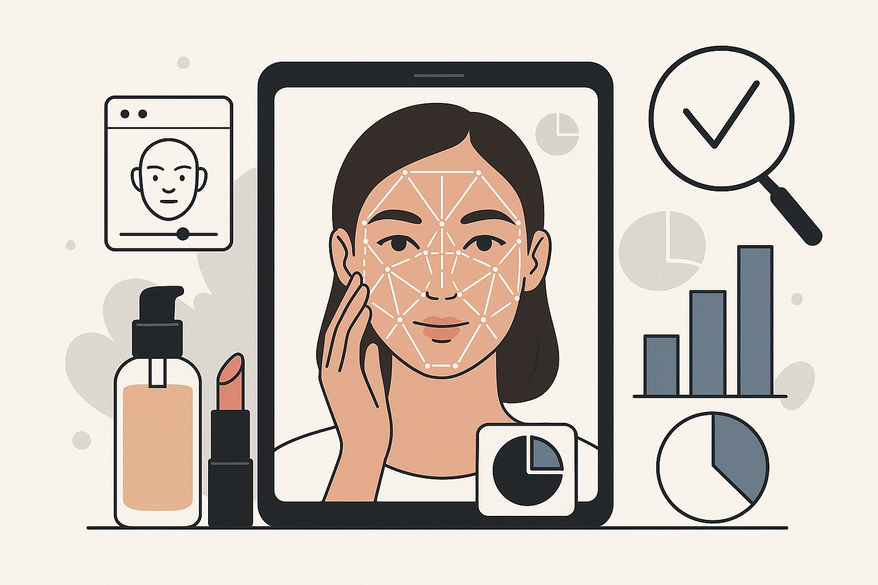
Validates product appearance, detects counterfeit packaging, and ensures shade inclusivity.
Data Analytics & Machine Learning
Correlates ingredient choices with safety logs and predicts risks in new formulas.
Explainability Toolkits (SHAP, LIME)
Generates human-readable explanations for flagged formulas.
Section 4: How AI Metrics Elevate Transparency for Beauty Brands
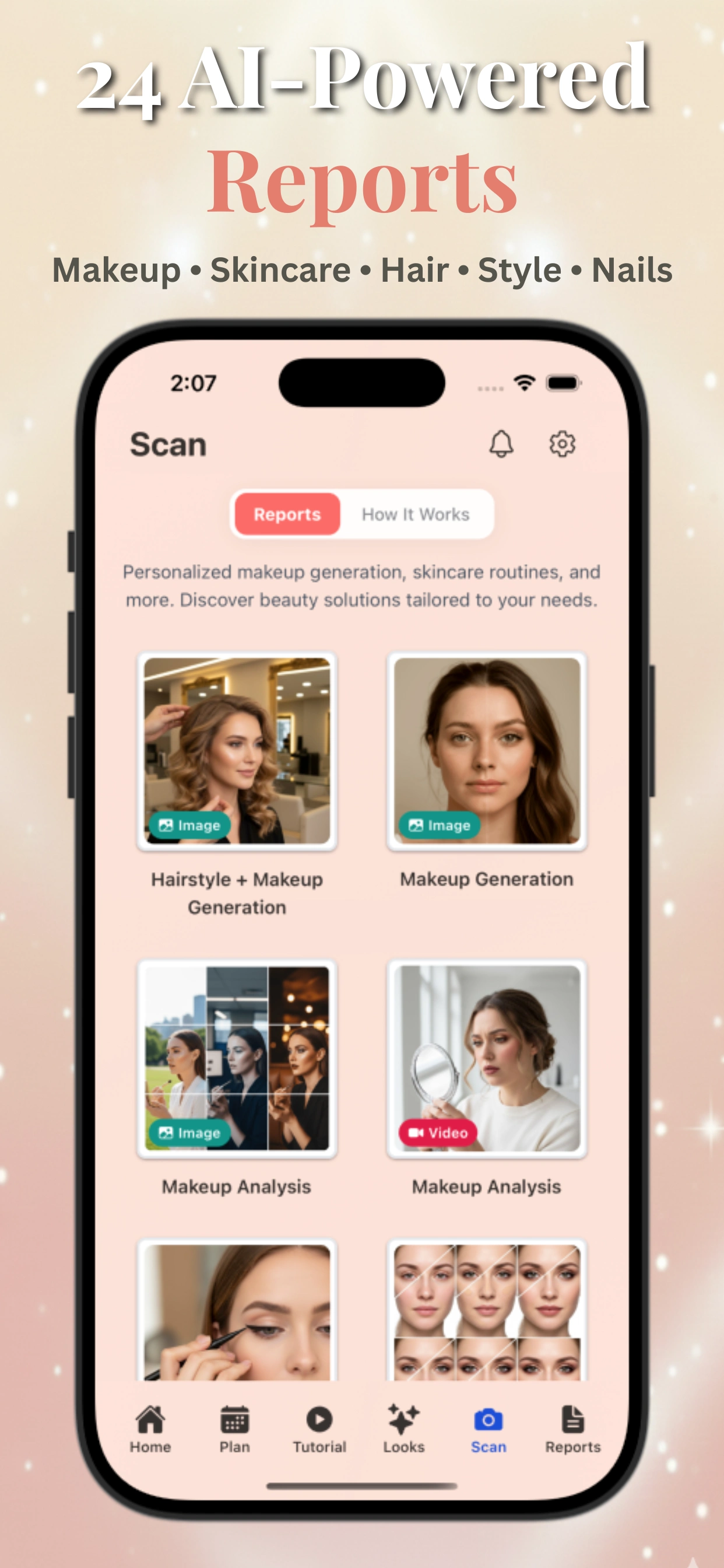
Apps like Makeup Check AI deliver real-time formulation reports and personalized recommendations.
Benefits for Brands
- Consumer dashboards displaying ingredient disclosure %, vegan compliance, and traceability scores.
- Fairness monitoring to ensure equitable shade matching across all skin tones.
- Full lifecycle governance integrating data quality, performance, and alerts.
Quality Control Use Cases
- Vision-based batch QC: “Batch Deviation Index” flags anomalies before shipping.
- Sensor validation: “Formula Variance Score” measures formula consistency.
Section 5: Emerging Trends and Ethical Considerations
Emerging Applications
- Real-time transparency dashboards updating carbon footprints and compliance scores live.
- Consumer-facing explainable AI that clarifies impact ratings.
- Hyper-personal transparency highlighting ingredient risks by user profiles.
Challenges & Ethical Questions
- Data quality & provenance—poor input undermines traceability.
- Algorithmic bias—limited training data risks under-serving some users.
- Explainability vs. complexity—balancing power with interpretability.
Conclusion & Call to Action
Transparent makeup demands openly shared ingredients, ethical sourcing, and data-backed claims. AI metrics provide the verifiable tools to audit these claims at scale, building trust and ensuring compliance.
Stay updated on AI transparency in beauty: explore resources like NIST AI RMF and the Fairlearn library on GitHub.
FAQ
- Q: What exactly are AI transparency metrics?
A: They measure how understandable and fair a model’s decisions are, using scores for bias, accuracy, and explainability. - Q: Why is makeup transparency important?
A: It builds consumer trust, ensures compliance, and mitigates safety risks. - Q: How do brands implement these metrics?
A: Through dashboards that display real-time ingredient, performance, and fairness scores, powered by AI analytics. - Q: Can consumers access this data?
A: Yes—apps and online portals can publish transparency reports directly to users. - Q: What are the risks?
A: Poor data quality and bias in AI can undermine transparency efforts.