Comprehensive Thick Curly Hair Routine for Frizz-Free Waves
Discover a complete thick curly hair routine for frizz prevention, maintaining waves between washes, and fixing common color & layering issues.

7 min read
Key Takeaways
- Follow a balanced blend of daily detangling, leave-in care, and curl definition for healthy curls.
- Incorporate weekly deep-conditioning and clarifying treatments to manage porosity and prevent frizz.
- Use frizz-fighting strategies like plopping, cool rinses, and curl-defining balms or gels.
- Refresh waves between washes with finger coiling, squish-to-condish, and protective night routines.
- Select a curl-savvy salon by preparing photos, a challenge list, and treatment inquiries.
- Resolve color challenges and uneven layers with targeted at-home fixes and professional corrections.
Table of Contents
- Introduction
- Understanding Your Thick Curly Hair Routine
- Frizz Prevention Strategies
- Maintaining Waves Between Washes
- Navigating Curly Hair Salons
- Fixing Color Challenges: The Blue Hair Not Showing Fix
- Overcoming a Bad Layers Haircut Fix
- Makeup Check AI for Personalized Beauty Insights
- Conclusion
Introduction
A thick curly hair routine can feel overwhelming when frizz, wave loss, salon mishaps, color fades, and uneven layers strike all at once. In this guide, we outline a complete thick curly hair routine for frizz prevention, waves between washes, finding the right curly hair salons, solving a blue hair not showing fix, and tackling a bad layers haircut fix. You’ll get clear steps for daily care, weekly treatments, styling tricks, salon prep, color correction, and haircut rescue. Let’s dive in.
Understanding Your Thick Curly Hair Routine
A “thick curly hair routine” is a step-by-step system of cleansing, conditioning, moisturizing, and styling designed for high-porosity, textured hair that easily loses hydration and needs gentle handling.
Daily Practices
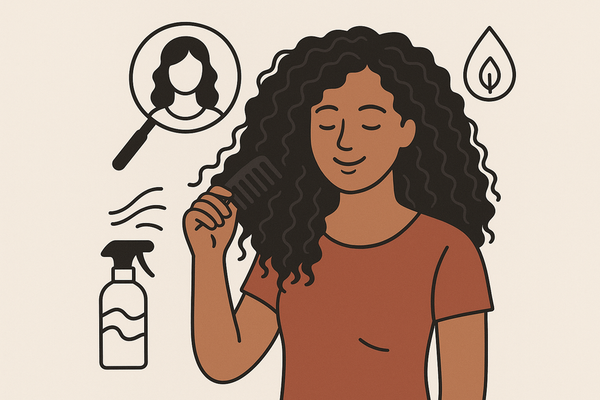
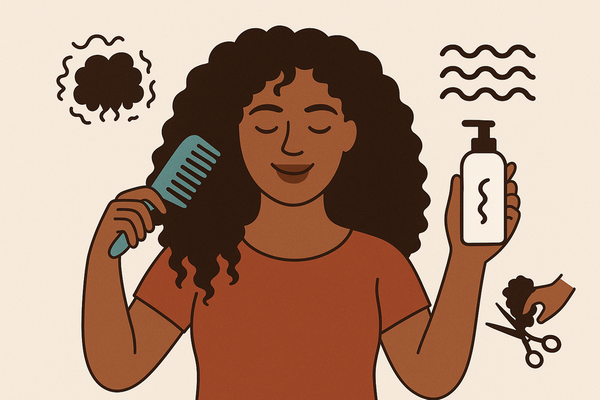
- Detangle: Use a wide-tooth comb or your fingers. Work in small sections from ends up to roots to keep curl shape intact.
- Leave-In Conditioner: On damp hair, apply a lightweight, slip-rich leave-in to lock in moisture and reduce breakage.
- Curl Definition: Use finger coiling or scrunching. Twist small sections around your finger or squeeze hair upward to form uniform ringlets.
Weekly Practices
- Deep-Condition or Mask: Once per week, apply a rich, protein-balanced mask. Let it sit 10–20 minutes to repair cuticles and boost elasticity.
- Clarifying: Use a sulfate-free cleanser or cleansing conditioner to remove product buildup without stripping natural oils.
- Pre-Shampoo Treatment: Optionally apply an oil or slip-rich conditioner as a pre-wash detangler and cuticle protector.
Hydration Focus
High-porosity curls have gaps in the cuticle that let moisture escape. Use products with humectants (glycerin, honey) and seal with oils or butters.
Frizz Prevention Strategies
Frizz prevention hinges on balancing moisture and sealing the cuticle to fend off humidity and friction.
- Weekly Nourishing Masks: Apply a creamy, protein-balanced mask for 5–10 minutes. Rinse with lukewarm water to retain slip.
- Curl-Defining Balms/Gels: On damp hair, rake in a gel or balm, scrunch upward, then diffuse on low heat to lock moisture and hold.
- Plopping: Wrap hair in a cotton T-shirt or microfiber towel for 5–15 minutes post-wash. This reduces friction and frizz.
- Cool Rinse: Finish conditioner rinse with cool water to flatten the cuticle and seal hydration.
Maintaining Waves Between Washes
Preserving your wave and curl pattern for days after washing keeps you from over-shampooing and stripping moisture.
- Finger Coiling: Twist small damp sections around your finger, hold for 5–10 seconds, then release to revive curls.
- Squish-to-Condish: Apply conditioner to wet hair, then cup sections and scrunch water-and-product pockets into the shaft to build curls.
- Refresh Sprays: Mist problem areas with water mixed with leave-in or curl refresher to reactivate product.
- Protective Night Routine: Pineapple your hair (high loose ponytail) or wrap in a silk bonnet to avoid flattening and friction.
Navigating Curly Hair Salons
Choosing the right professional ensures styling and cutting techniques that honor your curl pattern.
- Photos: Bring clear images showing your ideal curl shape, volume, and length.
- Challenge List: Note frizz hotspots, shape concerns, and growth patterns to discuss.
- Treatment Inquiry: Ask if the salon offers in-chair deep conditioning, clarifying, or curl-cutting demos.
Fixing Color Challenges: The Blue Hair Not Showing Fix
When your intended blue hue fades or never appears, texture, porosity, and prior color affect pigment absorption.
- Color-Depositing Conditioners/Toners: Add these weekly to your deep-conditioning routine to reinforce blue pigments.
- Aggressive Hydration: Keep cuticles closed with frequent LCO (liquid-cream-oil) layers so pigment sits evenly.
- Consult a Curly-Hair Colorist: Texture affects color uptake—seek experts who understand how coils take dye.
Overcoming a Bad Layers Haircut Fix
Uneven layers disrupt curl clumping, create inconsistent volume, and can leave hair looking shapeless.
- Finger Coil & Scrunch: Focus on shorter, problematic zones. Coil each piece and secure for 10–15 seconds to unify curl size.
- Strategic Product Placement: Use curl-defining balms or gels on off-beat layers to even out texture.
- Protective Styles: Wear silk scarves or loose buns to minimize frizz on uneven areas.
Partner these styling hacks with a professional correction: pinpoint problem layers with your stylist and opt for gradual reshaping over several visits.
Makeup Check AI for Personalized Beauty Insights
For more than just hair, explore personalized beauty plans and AI-powered tutorials with Makeup Check AI.
Conclusion
A thorough thick curly hair routine blends daily detangling, leave-in care, and curl definition with weekly deep conditioning, frizz prevention, and maintenance strategies for waves between washes. Partner with specialized curly hair salons, tackle color woes like the blue hair not showing fix, and correct flawed layers through strategic styling and professional reshape. Adapt these steps to your curl pattern, porosity, and climate. Experiment, track progress, and consult experts to keep your curls healthy, bouncy, and beautifully defined.
FAQ
How often should I wash my thick curly hair?
Aim for 1–2 washes per week. Over-washing can strip natural oils; between washes, use conditioners or co-washes to refresh.
What’s the best way to prevent frizz in humid weather?
Lock in moisture with a hydrating leave-in, seal with oil or butter, and finish with a gel or balm. Plopping and cool rinses also help flatten cuticles.
Can I color my hair blue without damaging curls?
Yes—opt for gentle, deposit-only dyes or toners and follow a strict hydration routine (LCO method). Consult a curl-focused colorist for best results.
How can I correct a choppy layers haircut at home?
Use finger coiling on uneven sections, distribute gel strategically, and try protective updos until you can see a professional for a gradual reshape.