Your Ultimate Thick Curly Hair Routine: Frizz Prevention, Waves Between Washes, Salon Tips & Color/Cut Fixes
Discover the ultimate thick curly hair routine for frizz prevention, maintaining waves between washes, and fixing bad layers haircut. Get salon tips & color fixes.

Estimated reading time: 7 minutes
Key Takeaways
- Build a hydration-focused regimen: gentle cleansing, deep conditioning, and careful product layering for defined curls.
- Prevent frizz with clarifying shampoos, squish-to-condish, micro-plopping, and sealing ends with lightweight oil.
- Refresh waves between washes using water mists, lightweight gels or creams, scrunching, and low-heat diffusing.
- Seek specialized curly hair salons for expert cuts that follow your curl pattern and in-salon treatments when home care isn’t enough.
- Fix blue hair fading by pre-lightening to a pale base, choosing sulfate-free dyes, using color-depositing conditioners, and rinsing with cold water.
Table of Contents
- Understanding Your Thick Curly Hair Routine
- Frizz Prevention Techniques
- Enhancing Waves Between Washes
- When to Visit a Curly Hair Salon
- Addressing Color Issues – Fixing Blue Hair Not Showing
- Repairing a Bad Layers Haircut
- Conclusion
Understanding Your Thick Curly Hair Routine
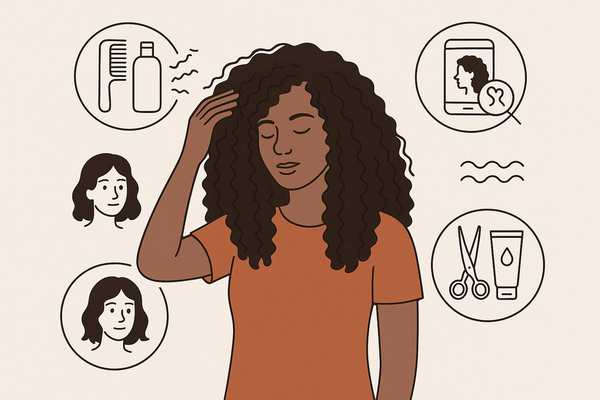
What is a thick curly hair routine? It’s a step-by-step plan to keep coarse spirals hydrated, defined, and healthy.
For an in-depth look at maintaining your curls day after day, check out our previous guide: Ultimate Thick Curly Hair Routine.
- Regular Cleansing
– Use a sulfate-free or gentle clarifying shampoo once or twice weekly to remove buildup. - Deep Conditioning
– Apply a protein-rich mask weekly, focusing on mid-lengths and ends to seal cuticles and reduce breakage. - Product Layering on Wet Hair
- Leave-in conditioner for slip and moisture retention.
- Curl cream for nourishment and definition.
- Gel or foam for hold and frizz control.
- Refresh Methods
– Spritz with water or a water-leave-in mix and gently scrunch to revive curls without a full wash.
Common struggles:
- Frizz in high humidity as cuticles lift and strands swell.
- Uneven layers breaking up curl clumps and amplifying volume in random spots.
Research shows that balanced moisture and a light but secure hold are key to frizz prevention and long-lasting waves.
Frizz Prevention Techniques
Step 1: Clarify & Hydrate
- Monthly Clarifying Shampoo
- Removes hard-water minerals and silicone buildup that roughen cuticles.
- Follow immediately with a rich deep conditioner containing anti-frizz polymers.
Step 2: Layering on Wet Hair
- Apply leave-in conditioner, curl cream, then gel or foam to dripping-wet locks.
- Rake and scrunch from ends to roots for even distribution and no crunchy cast.
Step 3: Squish-to-Condish & Micro-Plopping
- Squish-to-Condish
Apply conditioner generously to soaking hair; scrunch upward (“squish”) to help curls absorb moisture; rinse partially to leave a light film. - Micro-Plopping
Wrap hair in a microfiber towel or T-shirt for 5–10 minutes to absorb water without roughing cuticles.
Pro Tip: Once hair is about 80% dry, seal ends with a few drops of lightweight hair oil to lock in hydration and banish frizz.
Enhancing Waves Between Washes
Refresh Routine
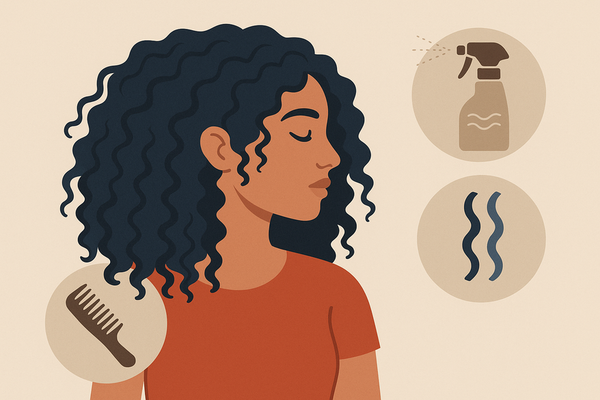
- Lightly mist hair with pure water or a water-leave-in spray.
- Apply a nickel-sized amount of lightweight gel or cream to mid-lengths and ends.
- Gently scrunch to reactivate curl clumps and restore definition.
Drying Techniques
- Air-Drying: Avoid touching hair to prevent cuticle lift and frizz.
- Diffusing: Use a low-heat diffuser. Hover near roots without agitating; let a gel cast form, then scrunch out the crunch for springy bounce.
For more styling hacks and deep dives, explore our extended guide.
When to Visit a Curly Hair Salon
Benefits of Specialized Curly Hair Salons
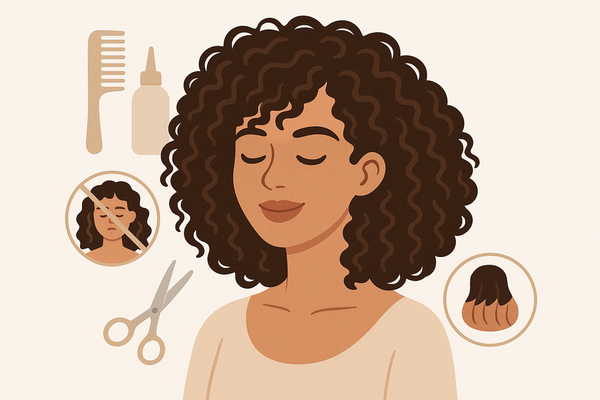
- Cuts That Follow Curl Patterns like DevaCut or Ouidad dry-cutting to shape individual spirals.
- Custom Consultations to assess porosity, density, and curl type for a tailored at-home routine.
- In-Salon Treatments such as deep conditioning, protein laminates, and anti-frizz glosses.
Signs You Need a Pro
- Uneven layers persist despite home trimming.
- Chronic frizz at the roots or puffy ends.
- Loss of curl definition after every wash.
Addressing Color Issues – Fixing Blue Hair Not Showing
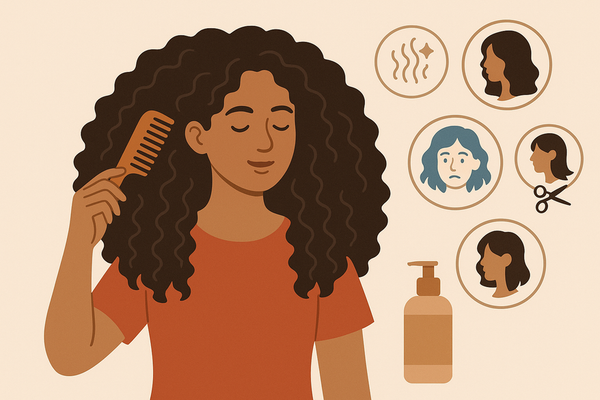
Why Blue Hair Fades on Thick Curly Hair
- Porosity Variations: High-porosity areas absorb and then release pigment too quickly.
- Underlying Warm Undertones: Gold or red pigments can clash and mute blue shades.
Troubleshooting Steps
- Pre-lighten to Level 9–10 for a pale blonde base.
- Use sulfate-free, color-safe dyes to prevent stripping.
- Apply color-deposited conditioner or demi-toner post-wash to boost vibrancy.
Routine Tweaks
- Weekly hydrating protein masks to maintain cuticle health.
- Cold-water rinses to seal the cuticle and lock in pigment.
Repairing a Bad Layers Haircut
Why Bad Layers Are Worse on Thick Curly Hair
- Uneven Weight Distribution: Shorter layers spring out while longer strands hang heavy.
- Disrupted Curl Definition: Random lengths break up curl clumps and add bulk in odd spots.
Home Fixes
- Use curl-weighing creams on top layers to smooth and blend shorter strands.
- Finger-coil short sections to encourage uniform spirals.
- Diffuse upside-down to lift roots for balanced volume, then reshape with a wide-tooth comb.
Maintenance
- Trim every 8–12 weeks to remove split ends and rebalance layers gradually.
- See a curly specialist when imbalance persists despite home care.
Conclusion
Building an effective thick curly hair routine means focusing on hydration-driven cleansing, deep conditioning, and strategic product layering. Master frizz prevention with clarifying, squish-to-condish, and micro-plopping methods. Refresh waves between washes using mists, gentle scrunching, and diffusing without touch. Leverage specialized curly hair salons for cuts that honor curl patterns and custom treatments. Fix blue hair not showing by pre-lightening, color-safe dyes, toners, and cold-water rinses. Repair a bad layers haircut with curl-weighing creams, finger-coiling, and regular trims.
With these steps, managing thick curls becomes predictable and empowering.
For personalized beauty plans—hair, makeup, skincare and more—consider exploring Makeup Check AI to receive AI-powered tips and real-time analysis.
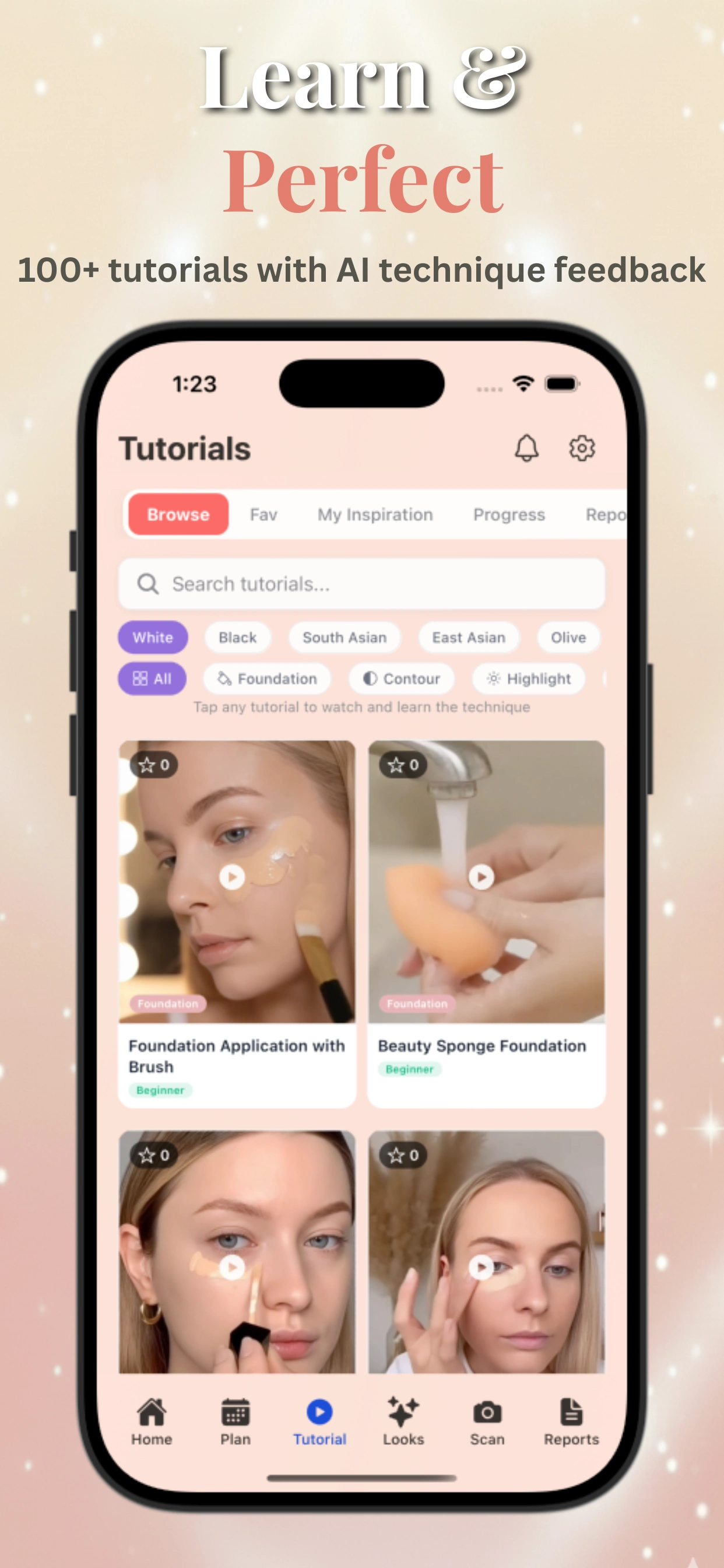
Ready to elevate your routine? Watch how it works:
Share your thick curly hair routine tips, frizz wins, or questions in the comments below. Subscribe for more personalized curly-hair advice, advanced tutorials, and exclusive pro tips!
FAQ
- How often should I wash thick curly hair? Aim for once or twice weekly with a gentle shampoo to balance moisture and cleanliness.
- What is squish-to-condish? It’s a technique where you apply conditioner to soaking hair, scrunch upward to help curls absorb moisture, then partially rinse to leave a light hydration film.
- How can I keep blue hair vibrant? Pre-lighten to a pale base, use sulfate-free dyes, apply color-depositing conditioners, and rinse with cold water to seal the cuticle.
- When should I visit a curly hair salon? If uneven layers, chronic frizz, or loss of curl definition persist despite home care, seek specialized cuts and professional treatments.