Mastering Your Thick Curly Hair Routine for Frizz-Free, Defined Curls
Learn how to master your thick curly hair routine with frizz prevention, maintaining waves between washes, and salon tips for perfect curls.

Estimated reading time: 6 minutes
Key Takeaways
- Dedicated Routine: A balanced approach to cleansing, conditioning, styling, and protection unlocks healthy, bouncy curls.
- Frizz Control: Clarify build-up, layer hydration, seal with oils, and use diffusing or plopping to minimize frizz.
- Wave Refresh: A simple reactivation spray of leave-in conditioner and water redefines waves between washes.
- Salon Savvy: Seek curly-specialist techniques like Deva cuts or dry cutting to shape curls without shrinkage surprises.
- Color Maintenance: Prep with a bond treatment and use pigment-rich conditioners to revive faded blue tones.
- Layered Fixes: At-home styling, grow-out strategies, and corrective dry cuts can remedy uneven layers.
Table of Contents
- Introduction
- Understanding Thick Curly Hair
- Frizz Prevention Techniques
- Embracing Waves Between Washes
- Navigating Salon Experiences for Curly Hair
- Fixing Color Challenges: Blue Hair Not Showing
- Correcting Poor Haircuts: Bad Layers
- Conclusion
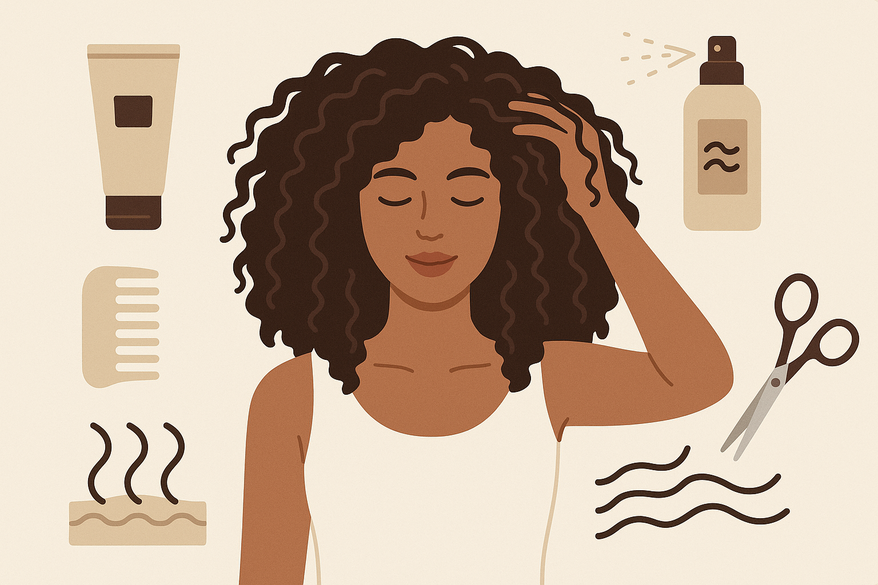
Thick curly hair can feel like both a blessing and a burden. You wake up to eye-catching volume yet face tangles, frizz, and styling struggles. A solid thick curly hair routine balances cleansing, conditioning, styling, and protection to unlock healthy, bouncy curls.
In this guide, we’ll tackle:
- Frizz prevention strategies for lasting smoothness.
- Maintaining waves between washes without weighing hair down.
- Choosing the best curly hair salons for cuts that celebrate your coils.
- A step-by-step blue hair not showing fix to boost vivid color on thick strands.
- Remedies for a bad layers haircut fix that restores shape and balance.
For personalized beauty insights—hair care included—consider exploring Makeup Check AI to integrate tailored routines into your regimen.
Understanding Thick Curly Hair
Why you need a dedicated thick curly hair routine:
- High strand density: many individual hairs per square inch create volume and weight.
- Curl patterns: tight coils or wide S-waves that shrink and spring up when dry.
- Porous cuticle: gaps in the hair shaft let moisture in—and out—quickly.
Challenges of porous, dense curls:
- Rapid moisture loss leads to dryness, frizz, and breakage.
- Irritating cleansers can strip natural oils.
- Irregular curl formation without proper hydration and protein balance.
Frizz Prevention Techniques
Preventing frizz is a top priority in any thick curly hair routine. Here’s why frizz happens and how to stop it:
Clarify & Deep Condition
- Use a chelating shampoo every 4–5 washes to strip minerals and silicone build-up.
- Follow with a deep conditioning mask: apply on clean hair, cover with a plastic cap, heat for 5–10 minutes, then rinse with cool water to seal the cuticle.
Layer Hydration & Seal
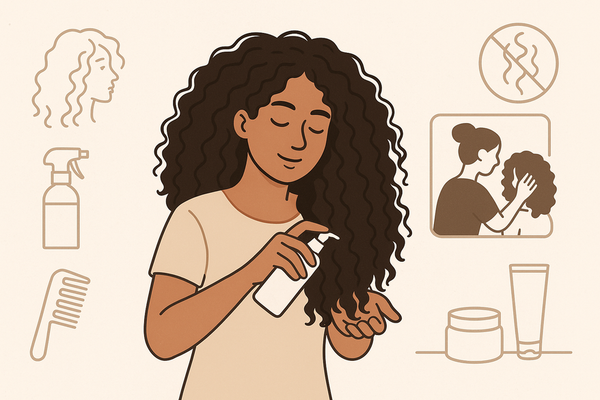
- On damp hair, spritz a water-based, protein-light leave-in conditioner.
- Smooth a curl cream or silicone-free serum through mid-lengths and ends.
- Seal with a natural oil (jojoba, argan) or a light gel to hold shape.
Drying Methods
- Diffuse on low heat: hold each curl section vertically and cup gently to reduce friction.
- Plop with a cotton T-shirt or microfiber towel to compress cuticles and speed drying.
Embracing Waves Between Washes
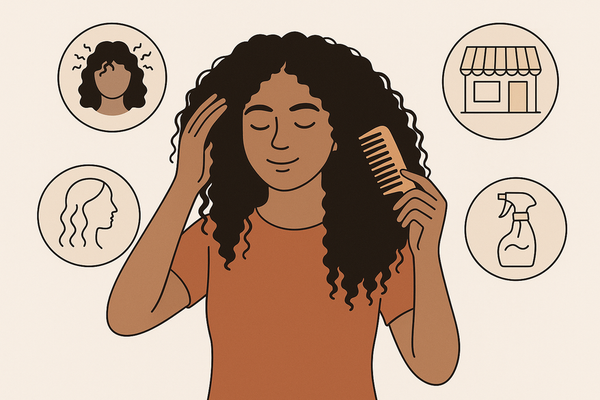
Keeping waves between washes saves time and protects your hair’s natural oils. Use a simple reactivation spray:
- Mix one part leave-in conditioner with two parts water in a spray bottle.
- Lightly mist mid-lengths to ends and gently scrunch upward to reform waves.
Navigating Salon Experiences for Curly Hair
Finding the right curly hair salons can transform your curl care journey. Ask stylists about Deva cuts and dry-cutting techniques that shape curls in their natural state. Precision trimming prevents shrinkage surprises and pyramid shapes.
For more on building a detailed routine, see thick curly hair routine guide and ultimate thick curly hair routine for in-depth steps and product recommendations.
Fixing Color Challenges: Blue Hair Not Showing
When your blue hair not showing fix is overdue, follow these steps:
- Clarify hair 24–48 hours before dyeing to strip oils and residue.
- Apply a protein/moisture bond treatment (e.g., Olaplex No.3) to strengthen strands.
- Use a color-depositing conditioner or weekly pigment mask in blue tones.
- Rinse with cool water to seal pigment and follow with a lightweight oil on ends.
Correcting Poor Haircuts: Bad Layers Haircut Fix
Uneven bad layers haircut fix remedies:
- At-Home Styling: Apply heavy curl-defining cream on mid-lengths and ends to weigh down shorter layers. Diffuse roots for lift, then cup ends downward to balance shape.
- Grow-Out Strategy: Alternate protein and moisture treatments weekly, and trim ends every 8–10 weeks to gradually reshape and blend layers.
- Professional Fix: Book a curly hair specialist for a corrective dry cut or texturizing with shears, asking for minimal, face-framing layers that follow natural curl clumps.
Conclusion
A consistent thick curly hair routine is your secret weapon for frizz prevention and effortless waves between washes. Pair smart at-home care with expert salon visits to fix color mishaps like faded blue hues and remedy uneven layers. Track how your hair responds, adjust water-to-product ratios, and don’t hesitate to consult a curly hair pro for personalized tweaks.
Ready to unlock your best curls? Share your triumphs, ask questions below, or book a consultation at a specialized curly hair salon today!
FAQ
How often should I wash my thick curly hair?
For most thick, curly hair types, washing every 4–7 days helps maintain natural oils and prevents dryness. Use a gentle shampoo or co-wash to refresh without stripping moisture.
Can I skip washes and still keep waves defined?
Yes. A homemade reactivation spray of leave-in conditioner and water will redefine waves between washes, while scrunching helps restore bounce.
Is diffusing better than air drying for curls?
Diffusing on low heat speeds up drying, reduces frizz, and helps shape curls. Air drying is gentler but takes longer and may result in a softer, less defined pattern.