Thick Curly Hair Routine: Your Guide to Defined, Frizz-Free Curls
Learn the thick curly hair routine to prevent frizz and maintain waves between washes. Optimize your routine with expert curly hair salon tips.

Estimated reading time: 8 minutes
Key Takeaways
- Follow a structured cleanse–condition–moisturize regimen for defined, hydrated curls.
- Use the LOC method and silk/satin protection to lock in moisture and prevent frizz.
- Refresh waves between washes with spritzing, scrunching, and gentle diffusing.
- Choose curl-friendly salons and techniques to support your at-home routine.
- Learn expert fixes for color intensity and bad-layer haircuts.
Table of Contents
- Understanding Your Thick Curly Hair
- Crafting the Perfect Thick Curly Hair Routine
- Frizz Prevention Tips
- Maintaining Waves Between Washes
- Navigating Curly Hair Salons
- Dealing with Color and Cut Issues
- Bringing It All Together
- Conclusion
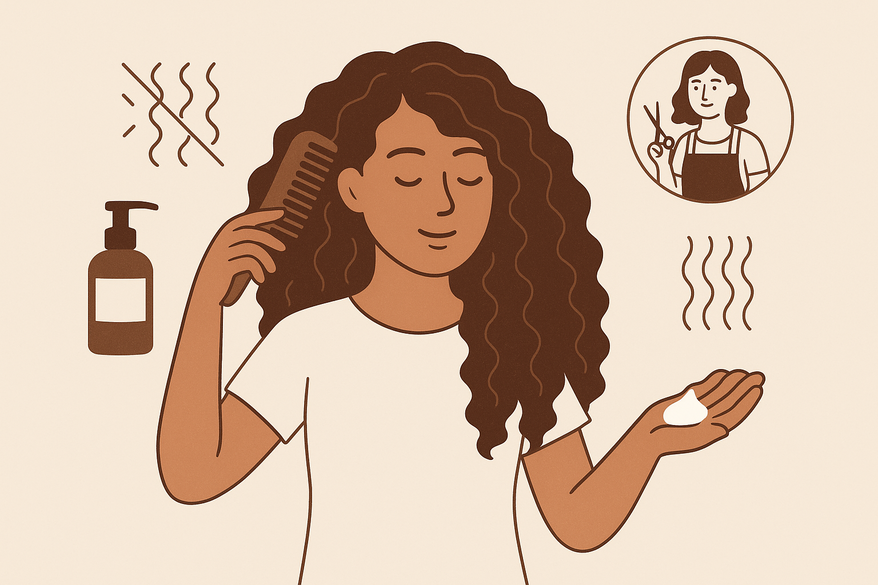
Thick curly hair features dense, coarse strands forming tight spirals or S-shaped waves that trap humidity and lose oil quickly, leading to dryness and frizz. A structured routine tackles these challenges head-on.
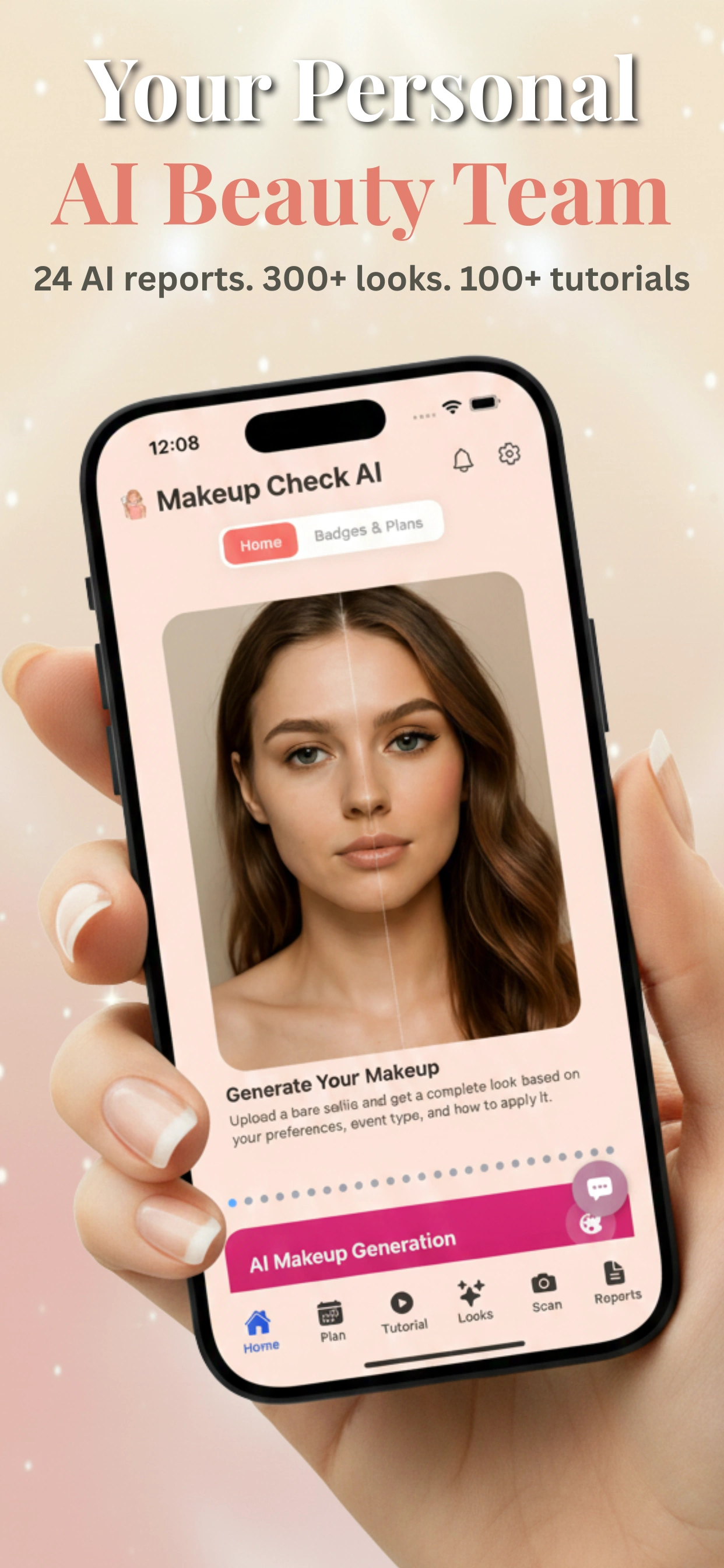
For a holistic approach to your beauty routine, consider exploring AI-driven insights with Makeup Check AI, your personal AI beauty team designed to help optimize every step.
Understanding Your Thick Curly Hair
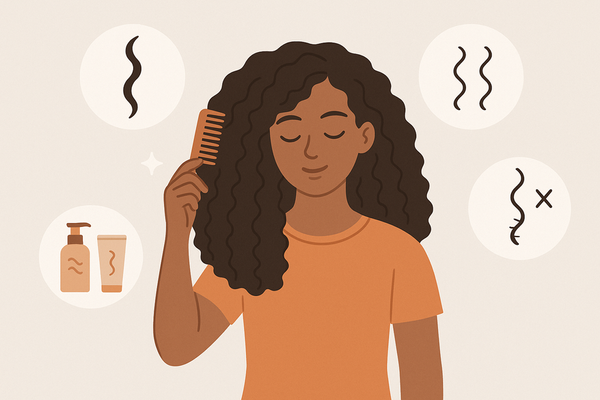
Curly hair types vary, but thick curls share three defining traits: high density, coarse texture, and high porosity. These factors demand targeted care to enhance definition and manage volume.
Key Characteristics- High Density: More strands per square inch require sectioning and strategic styling.
- Coarse Texture: Larger strand diameter resists product penetration—deep conditioning is essential.
- High Porosity: Hair absorbs moisture quickly but loses it just as fast, leading to frizz and breakage.
- Volume Management: Techniques like plopping distribute density and reduce bulk.
- Enhanced Texture: Scrunching with curl-defining products boosts pattern and shine.
- Moisture Lock: Frequent conditioning rebuilds lipid barriers and seals the cuticle.
“Plopping with a cotton T-shirt for 10 minutes shapes curls without flattening density.” — Marissa T., Salon Stylist
Crafting the Perfect Thick Curly Hair Routine
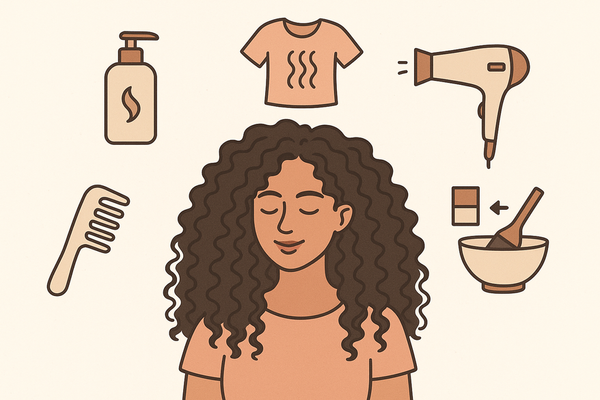
Implement this step-by-step regimen to boost scalp health, curl clumping, moisture retention, and friction reduction.
- Cleanse (2–3×/week)
- Use a sulfate-free, pH-balanced shampoo (e.g., Flora & Curl Coconut Mint).
- Clarify every 4–5 washes to remove styling product buildup and hard water minerals.
- Condition & Detangle
- Apply rich conditioner from ends to roots.
- Detangle gently with fingers or a wide-tooth comb.
- Deep-condition weekly under heat for 20–30 minutes to strengthen strands and restore elasticity.
- Moisturize (LOC Method)
- Liquid: Mist or pour water/leave-in conditioner on damp hair.
- Oil: Work in argan or rosehip oil to seal moisture.
- Cream: Apply curl cream or custard for definition.
- Technique: Section hair, scrunch upward to encourage clumping, then plop in a microfiber towel or cotton T-shirt for 10–15 minutes.
- Style
- Finger-coil small sections for extra definition.
- Diffuse on low heat if needed—keep the nozzle moving.
- Nightly Protect
- Sleep on a silk or satin bonnet or pillowcase to minimize friction and breakage.
- Refresh Days
- Spritz roots and lengths with a water/leave-in blend (e.g., Alikay Naturals Lemongrass).
- Add curl cream where patterns look loose; scrunch and re-plop for 10 minutes.
“After adding a midweek refresh, my curls last five days without a full wash.” — Erin G., Blogger
Frizz Prevention Tips
Frizz stems from open cuticles, product buildup, and high humidity. Seal the cuticle and lock in hydration for smooth, defined curls.
Strategies to Fight Frizz- Apply styling products on soaking-wet hair to smooth the cuticle before it dries.
- Use the LOC layering method with finger-scrunch technique for even coverage.
- Protect at night with a satin bonnet or silk pillowcase to reduce friction.
- Refresh with a water-based mist midweek—skip heavy oils to avoid greasiness.
- Incorporate weekly curl-defining masks to fill porosity gaps and strengthen hair.
Clarify monthly to eliminate residue that keeps the cuticle raised and frizz-prone.
Maintaining Waves Between Washes
Extend defined waves for 3+ days without a full wash.
Refresh Techniques- Spritz & Scrunch: Use a water/leave-in blend, add curl cream, then scrunch upward.
- Diffuse Boost: Lightly diffuse on low heat, then plop for 10–15 minutes for volume.
- Loose Half-Up: Pull top sections into a loose bun or clip to avoid distortion.
- Low Ponytail: Gather at the nape to preserve shape without creasing.
- Finger-Coil Strays: Wrap small pieces around your finger to match the main curl pattern.
“Micro-plopping at night on a satin pillowcase revives roots by morning.” — Sam R., Celebrity Stylist
Navigating Curly Hair Salons
Choosing the right salon transforms your routine outcomes.
Salon Selection Tips- Specialist Stylists: Seek curl experts who use no-razor cutting and moisture-focused treatments.
- Client Reviews: Look for testimonials highlighting volume control, curl definition, and healthy results.
- Ask Questions:
- “Do you understand high-porosity, dense curls?”
- “Can you tailor layers to work with my LOC method?”
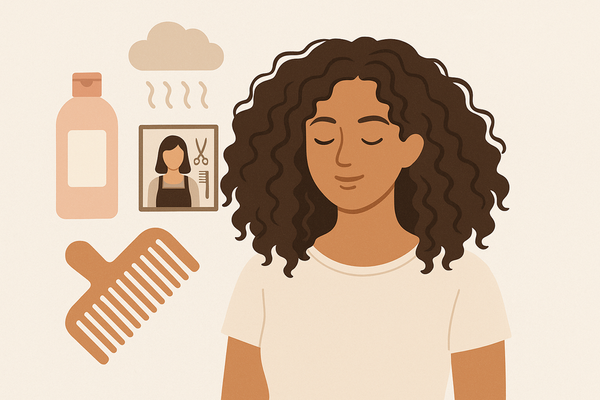
- Bring Inspiration: Photos of your desired curl shape, cut length, and color outcome ensure alignment.
Pro Tip: Confirm that salon products won’t interfere with your at-home routine.
Dealing with Color and Cut Issues
Blue Hair Not Showing Fix
Thick curls can hide color intensity if porosity is uneven. Balance absorption for vibrant results.
- Clarify buildup with a color-safe clarifying shampoo to open the hair shaft evenly.
- Use a violet-based mask or blue-deposit treatment to neutralize brassiness and boost tones.
- Maintain with sulfate-free shampoos and scheduled in-salon gloss treatments.
- On refresh days, layer semi-permanent toners or color-depositing conditioners for vibrancy.
“Porous cuticle gaps drink up pigment—regular glosses ensure an even, long-lasting hue.” — Jenny M., Colorist
Bad Layers Haircut Fix
Incorrect layering can disrupt curl pattern and volume. Use weight and moisture to coax shape.
- Apply clumping gel or cream to align layers into cohesive ringlets.
- Section and plop uneven pieces to encourage uniform shape.
- Deep-mask weekly to strengthen and hydrate so layers blend naturally.
Long-Term Professional Fixes
- Monthly dusting trims: Small cuts that follow natural curl ends, no razors.
- Consistent long layers: Specialist layering matching your curl pattern from root to tip.
- Curl-centric cuts like DevaCut or Ouidad to harmonize lengths across dense coils.
“Show your stylist pictures of your daily bad-layer issues—visual aids ensure they correct rather than add layers.” — Laura K., Stylist
Bringing It All Together
Your complete framework for healthy, defined curls:
- Structured cleanse–condition–moisturize regimen
- Proactive frizz prevention tactics
- Wave refresh techniques for days 2–5
- Smart salon choices for curl experts
- Color boost for blue hair not showing fix
- Layer repair for bad layers haircut fix
Track your results weekly. Adjust product ratios based on porosity and climate. For complex issues, consult a certified curl specialist.
Conclusion
This thick curly hair routine empowers you to conquer frizz, sustain waves between washes, optimize your salon visits, and remedy color or cut setbacks. Try these expert-backed tips, share your success stories or questions in the comments, and subscribe for more curly-hair insights.
FAQ
How often should I wash thick curly hair?
Washing 2–3 times a week prevents over-stripping natural oils while keeping your scalp fresh. Use sulfate-free formulas and clarify monthly.
What is the LOC method and why is it effective?
The LOC method (Liquid, Oil, Cream) layers water-based leave-in, sealing oil, and cream to lock in moisture, define strands, and fight frizz.
Can I refresh my curls without a full wash?
Yes. Spritz a water/leave-in blend, apply a bit of curl cream, scrunch upward, and plop for 10 minutes. For extra volume, diffuse on low heat.
How do I choose a curl-friendly salon?
Look for stylists specializing in dry-cut techniques like DevaCut or Ouidad, ask about porosity, and bring reference photos to align your vision.