Mastering Your Thick Curly Hair Routine for Ultimate Frizz Prevention
Discover effective strategies for a thick curly hair routine that ensures hydration, frizz prevention, and vibrant color maintenance between washes.

Estimated reading time: 7 minutes
Key Takeaways
- A solid routine balances cleansing, deep conditioning, styling, and protection for dense curls.
- Frizz prevention relies on moisture locking and gentle handling.
- Refresh methods extend wave definition between washes.
- Choose stylists experienced with high-porosity curls and dry-cut techniques.
- Quick fixes address color fade and uneven layers without compromising texture.
Table of Contents
- Introduction
- Understanding Thick Curly Hair
- Creating an Effective Thick Curly Hair Routine
- Frizz Prevention Techniques
- Achieving and Maintaining Waves Between Washes
- Choosing the Right Curly Hair Salons
- Addressing Color and Cut Concerns
- Conclusion & Takeaways
- FAQ
Introduction
Managing dense, textured curls can feel like a daily battle. A thick curly hair routine matters for hydration, definition, and overall health. If your routine is off, you’ll face dry, frizzy strands and limp waves. In this post, we’ll cover frizz prevention strategies, ways to maintain waves between washes, tips for choosing curly hair salons, and quick fixes for blue hair not showing and bad layers haircut issues. For more in-depth guidance on defining and caring for your thick curls, check out ultimate thick curly hair routine.
Understanding Thick Curly Hair
Curly hair that’s dense and textured often has high strand count and high porosity. Strands can range from loose S-waves to tight coils, and when stretched may reach hip level. High porosity means the cuticle lifts easily, causing moisture to escape. Without enough hydration, curls go brittle and frizzy.
- Intense frizz from humidity and product buildup
- Inconsistent wave patterns between washes
- Salon cuts or colors that don’t complement natural texture
Creating an Effective Thick Curly Hair Routine
Step 1: Cleansing & Clarifying
- Use sulfate-free shampoos every 7–10 days (e.g., Flora & Curl Coconut Mint Scalp Refresh; Alikay Naturals Caribbean Coconut Milk).
- Clarify once every third wash to strip buildup—this prevents limp roots and uneven curl clumps.
Step 2: Deep Conditioning & Hydration
- Deep-condition 1–2 times per month with protein and moisture masks to strengthen cuticles and reduce porosity.
- On soaking-wet hair, apply a leave-in like Flora & Curl Rose Water & Honey for lasting internal moisture.
Step 3: Styling for Definition
- Section hair into 4–6 parts. Rake styling cream or defining gel through each section on wet hair.
- Scrunch curls upward toward roots, then flip head upside down to spread product evenly.
- Diffuse on low heat or let hair air-dry. Finish with a lightweight oil for shine.
Step 4: Protection & Maintenance
- Sleep on a satin bonnet or silk pillowcase to preserve shape.
- Secure hair in loose low ponytails or a pineapple updo to avoid dents.
Frizz Prevention Techniques
Moisture first: always apply a leave-in detangler or conditioner immediately after wash to lock in hydration.
- Gentle drying: use microfiber towels or a cotton T-shirt to scrunch out water and minimize friction.
- Humidity barriers: layer an anti-humidity gel (e.g., Living Proof No Frizz Humidity Shield) to seal out moisture.
- Natural remedies: mix honey into a weekly hair mask; honey’s humectant properties draw water into the hair shaft.
- Refresh on non-wash days: spritz diluted leave-in (Alikay Naturals Lemongrass Leave-In) on dry curls; scrunch lightly to reactivate clumps.
Achieving and Maintaining Waves Between Washes
Day 2–4 refresh routine:
- Mist leave-in conditioner lightly.
- Finger-coil loose sections to restore clumps.
- Scrunch gently—avoid overworking.
Layering technique: apply mousse or foam first for lift, then seal with gel on soaking hair.
Overnight setting: diffuse for 10 minutes under a silk bonnet, or air-dry wrapped in a satin scarf to lock in pattern.
Mid-week moisture swap: replace heavy creams with a lightweight serum or oil to prevent flattening and maintain volume.
Choosing the Right Curly Hair Salons
When scouting for a stylist, look for authentic portfolios showing natural light photos of high-porosity curls.
Consultation questions:
- “How do you tailor cuts for high-porosity curls?”
- “Do you offer bond-building or hydration treatments?”
CURL-specific services to prioritize:
- Dry-cut technique for precise shape
- Protein or bond-building treatments
- Clarifying services to remove buildup
Addressing Color and Cut Concerns
Blue Hair Not Showing Fix
Issue: Vibrant blue dye fades fast on high-porosity curls as moisture opens cuticles and washes pigment out.
- Use a bond rebuilder (e.g., Curlsmith Bond Curl Rehab Salve) before styling to seal cuticles.
- Apply shine-enhancing gels or serums for a protective layer.
- Do weekly mask or oil treatments to lock in pigment.
- Wash with cold water and color-safe, sulfate-free shampoo.
Bad Layers Haircut Fix
Issue: Uneven layers cause frizz hotspots, flat patches, or too much volume.
- Scrunch-out the crunch (SOTC): gently pulse fingers through dried gel cast to blend layers.
- Finger-coil unruly sections to re-clump curls.
- Use a volumizing foam at roots to lift flat areas.
When to see a pro: book a curly-dry cut to even out layers and cut weight without disrupting your pattern.
Conclusion & Takeaways
A winning thick curly hair routine includes:
- Cleansing and clarifying to remove buildup
- Deep hydration with masks and leave-ins
- Sectioning, raking, and scrunching for definition
- Refresh methods to keep waves between washes
- Smart salon choices—find true curly hair salons
- Quick fixes for frizz, color fade, and bad layers
Consistent moisture balance and gentle handling will tame frizz and boost curl definition. Adjust these steps to your porosity and pattern, try the recommended products, and share your experience in the comments.
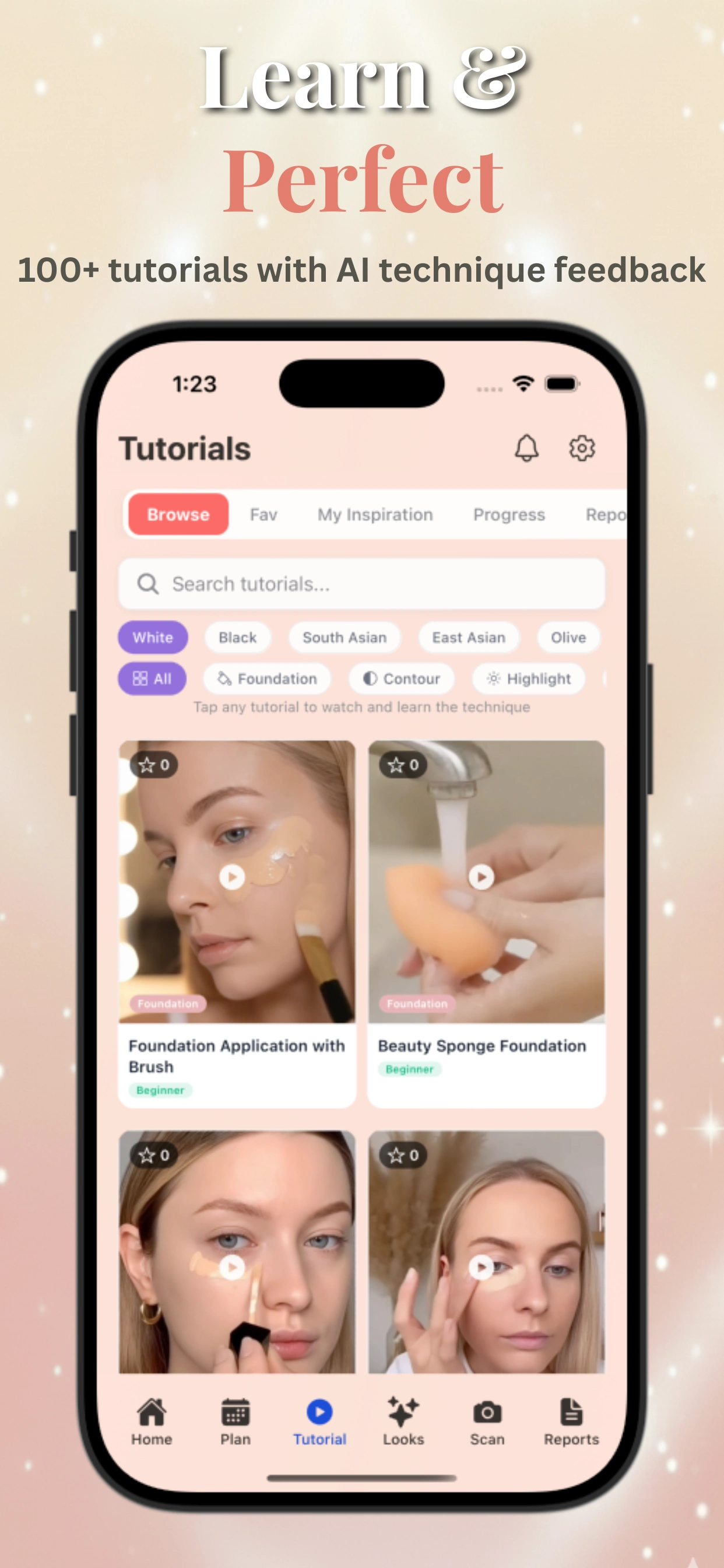
For a fully personalized beauty plan—including hair routines, makeup tutorials, and style guides—download Makeup Check AI.
FAQ
How often should I wash thick curly hair? Aim for every 7–10 days with a sulfate-free shampoo, clarifying every third wash to remove buildup without stripping natural oils.
Can I air-dry without ending up frizzy? Yes—apply styling products on soaking-wet hair, scrunch gently, and let it air-dry under a satin bonnet or scarf for minimal friction.
What’s the best way to refresh curls on non-wash days? Lightly mist a leave-in spray, finger-coil loose sections, and scrunch to revive clumps without overworking your hair.
Which products work best for high-porosity curls? Look for protein-infused masks, humectant-rich leave-ins, bond-rebuilder treatments, and lightweight oils to seal moisture.