The Ultimate Thick Curly Hair Routine for Frizz-Free, Defined Waves
Discover the ultimate thick curly hair routine with expert frizz prevention, wave maintenance between washes, and solutions for a vibrant look.

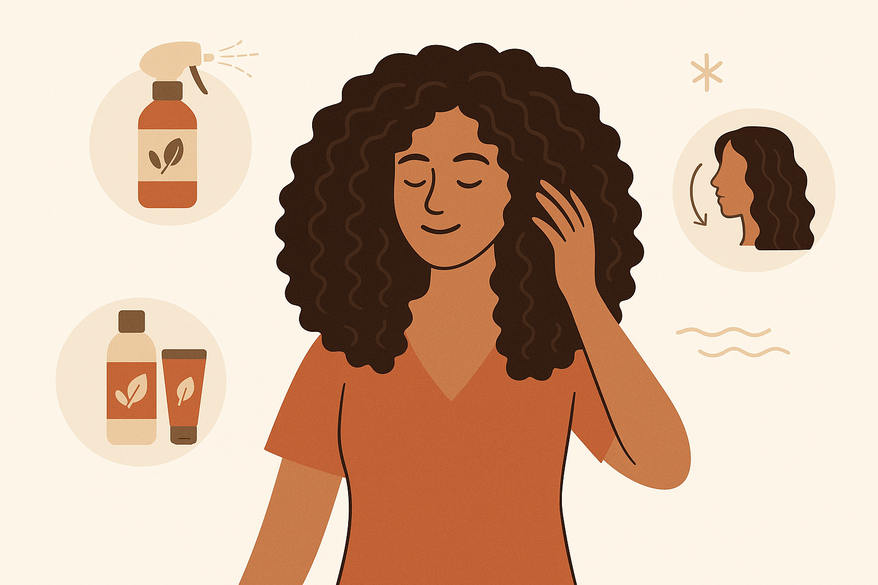
Estimated reading time: 8 minutes
Key Takeaways
- Hydration is everything: A rich, moisture-focused regimen combats dryness and frizz.
- Gentle cleansing: Sulfate-free shampoos and regular clarifying keep curls healthy.
- Definition & styling: Detangling, scrunching, plopping, and diffusing minimize frizz.
- Refresh tactics: Misting, finger-coiling, and pineapple protects waves between washes.
- Expert cuts: Choose a curly-specialist salon for proper layering and post-cut care.
- Troubleshooting tips: Clarify before dyeing blue tones; schedule incremental trims for uneven layers.
Table of Contents
- Introduction
- Understanding Thick Curly Hair
- Crafting an Effective Thick Curly Hair Routine
- Frizz Prevention Techniques
- Maintaining Waves Between Washes
- Choosing the Right Curly Hair Salon
- Fixing Common Styling Issues
- FAQ
Introduction
A thick curly hair routine is a hydration-focused regimen designed for high-density, coil-patterned hair prone to dryness and frizz. This guide will walk you through proven frizz prevention methods, maintaining waves between washes, choosing top curly hair salons, troubleshooting blue hair not showing fix, and rescuing bad layers haircut fix. Start empowering your curls today.
Understanding Thick Curly Hair
Thick curly hair features multiple strands per follicle, creating high density and volume. Curl types range from loose S-shapes to tight coils. High porosity is common—cuticles allow moisture to escape rapidly, leading to dryness and brittleness.
- Density and Curl Patterns
• High-density hair means more follicles, more volume.
• S-shape curls appear wavy, coils form tight spirals. - High Porosity Challenges
• Cuticle gaps let moisture out quicker than straight hair.
• Dryness causes inconsistent patterns and frizz hotspots. - Why It Matters
• Rich hydration is essential to counter moisture loss.
• Gentle handling prevents breakage and preserves curl integrity.
“Understanding porosity and density is key to a successful thick curly hair routine.” – Professional stylists on CurlyLife
Crafting an Effective Thick Curly Hair Routine
A structured daily and weekly plan keeps thick curls hydrated, defined, and frizz-free. Follow these steps:
- Cleansing (2–3×/week)
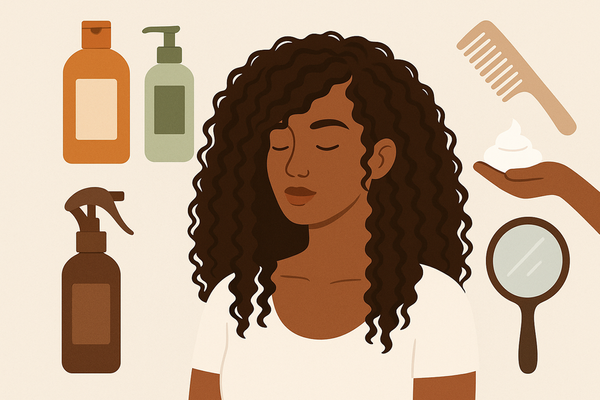
• Use sulfate-free, moisturizing shampoos such as Flora & Curl Coconut Mint or Alikay Naturals Caribbean Coconut Milk.
• Clarify every third wash to remove buildup.
• Focus on scalp massage to stimulate circulation. - Conditioning & Detangling
• Apply a rich leave-in conditioner (e.g., Flora & Curl Rose Water & Honey).
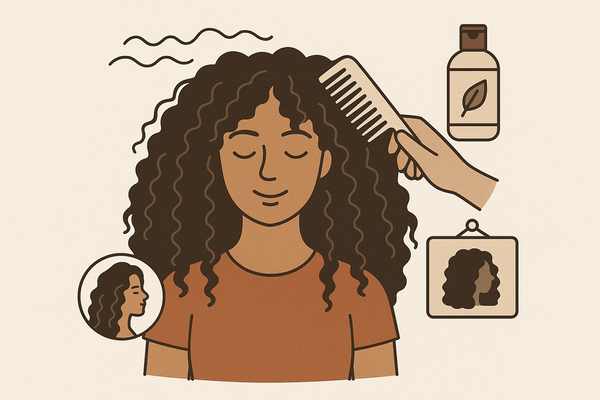
• Detangle wet hair gently with fingers or a wide-tooth comb, working ends to roots.
• Scrunch hair upward to encourage curl clumping. - Styling & Definition
• Rake in a lightweight curl cream or gel for hold without crunch.
• Scrunch hair upside-down to boost root volume.
• Plop hair in a cotton T-shirt for 10–20 minutes to define curls.
• Air-dry or diffuse on low heat to minimize frizz.
• Sleep in a silk or satin bonnet to maintain shape overnight. - Refresh (Days 2–4)
• Mist hair with a hydrating leave-in spray (e.g., Alikay Naturals Lemongrass Leave-In).
• Finger-coil small sections to reshape lost definition.
• Pineapple loosely at the crown to protect curls while you sleep.
Hydration Boost: Add NutriCurls Curlixir Balm for extra slip and definition on coarser sections; its rich emollients seal cuticles and lock in moisture.
Practical Tip: Store products in a shower caddy for easy access and consistency. Prep them the night before to ensure no steps are skipped during your morning routine.
Frizz Prevention Techniques
Frizz occurs when moisture escapes the hair shaft or when cuticles are roughened. Thick curly hair, with its coils and high porosity, is especially vulnerable.
- Common Causes
• High porosity leads to rapid moisture exchange.
• Product buildup creates uneven absorption.
• Rough towel drying damages cuticles.
• Humidity forces moisture inside the hair shaft, causing swelling. - Actionable Tips
• Dry with a microfiber towel or soft cotton T-shirt—pat, don’t rub.
• Layer a light leave-in conditioner under your gel or cream, then scrunch from ends to roots.
• Use a weekly deep-conditioning mask (NutriCurls Deep Treatment or Ultimate Repair) to seal cuticles.
• Minimize heat styling; when necessary, diffuse on the lowest heat setting.
• Sleep on a silk or satin pillowcase or wear a bonnet to reduce friction.
Real-World Example: A volunteer study among thick curly hair wearers found switching to microfiber towels reduced daily frizz by 40%. Consistent deep masks twice a week improved curl smoothness within four weeks.
Maintaining Waves Between Washes
Keeping your waves fresh without a full wash preserves natural oils and extends style life. Aim for soft, defined waves on days 2–4 with these methods:
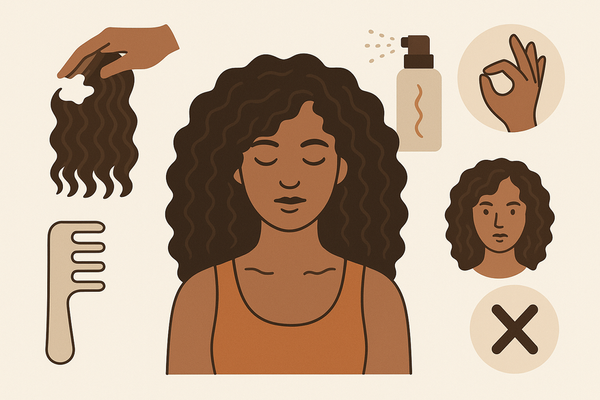
- DIY Refresh Spray: Mix water with a dash of leave-in conditioner in a spray bottle; mist roots and mid-lengths.
- Finger-Coiling: Wrap small sections around your finger to redefine loose waves.
- Pineapple Technique: Gather hair at the crown into a loose ponytail to protect curls while you sleep.
- Half-Up Clip: Secure front sections to maintain shape and volume around your face.
- Cool Diffuse: If volume dips, diffuse on a cool setting for 2–3 minutes at the roots.
Choosing the Right Curly Hair Salon
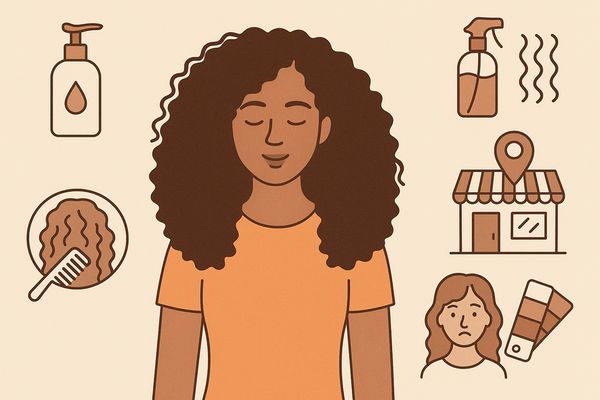
A specialist curly hair salon has the knowledge and tools to handle thick, textured curls. Avoid generic salons that may cut layers incorrectly or use harsh products.
- Curly-Cut Techniques: Inquire about DevaCurl, Rezo, or dry-cut methods designed for coils and waves.
- Portfolio Review: Examine before-and-after photos of clients with thick curls.
- Product Lines: Ensure they use color-safe, sulfate-free, and silicone-free brands.
- Post-Service Care: Ask for recommended homecare products and styling tutorials.
- Trim Frequency: Expect an 8–12 week schedule to maintain shape and prevent split ends.
Expert Note: Living Proof professionals emphasize that a curly specialist uses sectioning and angle-specific cuts to preserve curl pattern. A single bad haircut can take months to grow out—choose wisely.
Fixing Common Styling Issues
Blue Hair Not Showing Fix
Blue tones can appear dull or uneven on thick, porous curls. Achieve a vibrant blue shade with proper prep, maintenance, and professional input:
- Uneven Porosity: Sections absorb pigment differently, causing patchy color.
- Product Buildup: Residue blocks dye penetration.
- Insufficient Pre-Lightening: Dark bases need correct lifting for true blue.
Troubleshooting Steps:
- Deep clarify with a clarifying shampoo before coloring.
- Use moisture-rich, color-safe products like Ultimate Repair shampoo and conditioner.
- Consult a colorist for a professional toner to adjust pigment levels and pH.
- Maintain with a weekly blue-toned shampoo and leave-in color refresher sprays.
Bad Layers Haircut Fix
Uneven layers on thick curls can cause bulk in the wrong spots, frizz pockets, or flat areas. These corrective steps will help you work with, not against, your hair:
- Grow-Out Styling: Use low ponytails or half-up styles to mask unevenness.
- Curl-Defining Balms: Apply NutriCurls Curlixir to sections; finger-coil to reestablish shape.
- Incremental Trims: Schedule small trims (¼–½ inch) every 6–8 weeks with a curly-trained stylist to rebuild balanced layers.
- Deep Conditioning: Weekly masks strengthen hair for healthier new growth.
Professional Insight: Living Proof experts recommend “necklace layering,” placing shorter strands around the face and neck to allow natural curls to frame features without bulky mid-length layers.
For those who love customizing their beauty routines, digital tools like Makeup Check AI provide personalized hair care suggestions alongside makeup and skincare insights.
Conclusion: A comprehensive thick curly hair routine balances hydration, definition, and protection. Consistent cleansing and conditioning, targeted frizz prevention, wave-refresh strategies, and expert salon choices will keep your curls healthy and vibrant. Troubleshoot color issues and fix bad layers with clarifying, proper toning, and incremental trims. Embrace your volume, empower your coils, and enjoy defined, frizz-free curls every day.
FAQ
- How often should I wash my thick curly hair? Aim for 2–3 washes per week, with a clarifying session every third wash to remove buildup.
- Can I use heat styling? Minimize heat. If necessary, use a diffuser on the lowest setting and always apply a heat protectant.
- How do I keep waves fresh between washes? Use a DIY refresh spray, finger-coiling, pineapple technique, or cool diffusing to revive shape.
- What’s the best way to fix uneven layers? Schedule small trims with a curly-trained stylist, use curl-defining balms, and style with low ponytails until hair grows out.