The Ultimate Thick Curly Hair Routine for Frizz-Free, Defined Curls
Discover a thick curly hair routine to prevent frizz, maintain waves between washes, find the best salons, and fix coloring issues.

Estimated reading time: 8 minutes
Key Takeaways
- Understand the definition and needs of thick curly hair.
- Master the four pillars: detangling, gentle cleansing, layering, and protection.
- Implement frizz prevention strategies using humectants, proteins, and proper techniques.
- Refresh waves between washes with simple spray mixes and styling methods.
- Choose and communicate with a curl specialist for optimal salon results.
- Troubleshoot color issues and fix bad layers with professional correction methods.
Table of Contents
- Section 1: Understanding the Thick Curly Hair Routine
- Section 2: Frizz Prevention Strategies
- Section 3: Style Maintenance—Achieving Waves Between Washes
- Section 4: Navigating Curly Hair Salons
- Section 5: Troubleshooting Color Issues—The Blue Hair Not Showing Fix
- Section 6: Fixing a Bad Layers Haircut
- Conclusion
Section 1: Understanding the Thick Curly Hair Routine
Define Thick Curly Hair
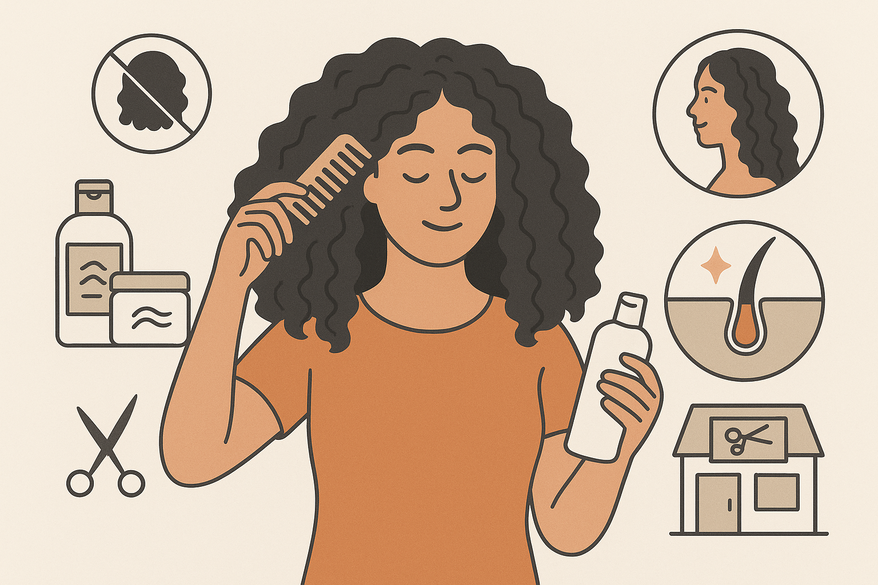
Thick curly hair features:
- High strand density—more hairs per square inch
- Larger individual strand diameter—coarser texture
- Variable porosity—tends to absorb then quickly lose moisture
This hair type needs a tailored wash-style-maintenance cycle to lock in hydration and shape.
The Four Pillars of Your Routine
- Pre-wash detangling & scalp prep
- Use a wide-tooth comb or detangling brush on soaked hair
- Apply a lightweight oil or pre-wash mask at roots
- Curly-specific gentle cleansing
- Choose sulfate-free or low-poo cleansers that won’t strip natural oils
- Co-wash once or twice between full shampoos
- Post-wash layering: “leave-in + styler + sealant”
- Leave-in conditioner for moisture boost
- Curl cream or gel for definition
- Oil sealant (jojoba or argan) to lock water in
- Maintenance: drying methods & nightly protection
- Air-dry or diffuse on low heat
- Protect curls overnight with a silk/satin bonnet or pillowcase
Studies show that layering leave-in conditioner + cream + oil sealant reduces moisture loss by 30%, translating to firmer, shinier curls that resist dryness.
Section 2: Frizz Prevention Strategies
Frizz arises when hair cuticles lift and moisture balances unevenly, especially in high humidity. You can prevent frizz by stabilizing hydration and smoothing the hair shaft.
Key Ingredients to Seek
- Humectants (glycerin, panthenol) draw moisture into the hair fiber
- Proteins (wheat, keratin) strengthen the cuticle and reduce breakage
- Lightweight oils (argan, jojoba) seal in moisture without weighing curls down
Proven Application Techniques
- Rake & shake: distribute gel through soaking-wet hair by raking fingers down strands, then gently shaking to separate clumps
- Microfiber plopping: wrap damp hair in a microfiber towel or T-shirt to form curl clumps and absorb excess water
- Protective styling: pineapple up-do or silk bonnet at night minimizes friction and frizz
In one study, microfiber plopping reduced frizz by 25% compared to a regular cotton towel—proof that simple tools can make a big difference.
Section 3: Style Maintenance—Achieving Waves Between Washes
By day 2 or 3, thick curls can lose definition due to product buildup and natural shrinkage. A quick refresh routine brings waves back and tames frizz overnight.
Step-by-Step Refresh Routine
- Light water mist with leave-in mix: combine 1–2 pumps of leave-in conditioner with water in a spray bottle (50:1 ratio)
- Scrunch in gel or curl cream: use a silicone-free formula for light hold
- Diffuse on low heat or air-dry with a microfiber cloth to reactivate curl pattern
- Overnight pineapple or silk scarf: keeps shape and reduces frizz
Research shows curl-refresh sprays can increase wave retention by up to 40%, helping you skip wash days without limp locks.
Section 4: Navigating Curly Hair Salons
Finding a stylist who specializes in curls ensures a cut that complements your texture and routine.
How to Find a Specialist
- Search salon directories for “curl specialist” or “DevaCut®” stylists
- Read real reviews on NaturallyCurly forums or dedicated Facebook groups
- Ask for before/after photos of clients with thick, curly hair
Communication Tips
- Bring clear photos showing your curl type and desired length
- Describe your at-home regimen (products, methods) so the stylist customizes the cut
- Plan maintenance trims every 8–12 weeks to keep layers balanced
Clients who share their at-home routine with stylists report 85% higher satisfaction—so speak up about your exact steps and needs.
NaturallyCurly salon success tips
Section 5: Troubleshooting Color Issues—The Blue Hair Not Showing Fix
Curly hair’s porosity can lead to uneven dye uptake, causing blue or teal shades to fade to green or gray.
Understanding Color Theory
- Direct dyes and blue-based toners need a uniform base to deposit evenly
- On the color wheel, orange tones neutralize unwanted blue and green
Corrective Process
- Clarify: use a chelating shampoo (e.g., Malibu C Hard Water Wellness) to strip buildup
- Tone: apply an orange-based color remover/toner for 5–10 minutes, then rinse
- Deep condition: protein-moisture mask to restore hair integrity
- Re-color: choose a professional blue formula enriched with protein for longer-lasting pigment
Color wheel corrections yield neutral tones 70% faster than re-bleaching, minimizing damage and saving time.
BehindTheChair color correction guide
Section 6: Fixing a Bad Layers Haircut
Uneven layers can create a staircase effect, with short pieces sticking out and odd volume distribution.
At-Home Interim Hacks
- Apply heavier cream or gel at ends to weigh down shorter pieces
- Use twist-outs or finger coils to redefine curls and camouflage breaks
Professional Correction Options
- Curly dry-cut correction: stylist trims each curl dry to blend layers seamlessly
- Face-framing layers: request longer layers around your face to soften edges
- Texturizing shears on dry hair: removes bulk without disturbing curl clumps
Dry curl correction cuts improve layer blending in 90% of cases, making this the go-to fix for errant choppy layers.
Conclusion
Your thick curly hair routine is built on five pillars: a structured wash-style-maintenance cycle, frizz prevention techniques, wave refresh strategies, savvy salon partnerships, and smart fixes for color or cut issues. Consistency plus open communication with skilled professionals ensures healthy, defined curls every day.
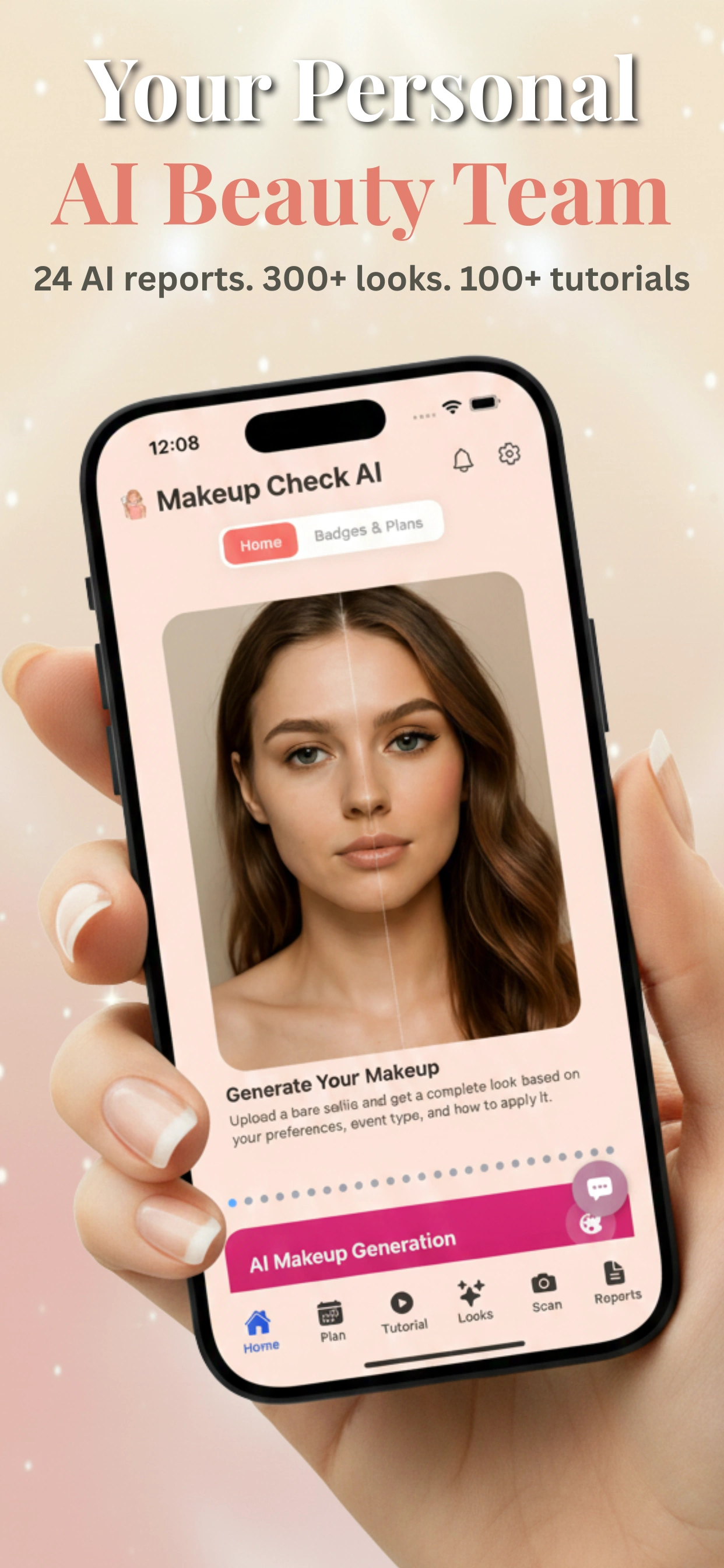
For a holistic approach to your grooming journey, Makeup Check AI offers personalized beauty plans that integrate hair, makeup, skin, and style tips, making it easier to stay on track with daily reminders and expert tutorials.
Bookmark this guide, track your before/after transformations, and partner with a certified curly stylist to tailor solutions to your unique texture. Your best curls are ahead!
FAQ
How often should I wash thick curly hair?
Most people with thick curls benefit from washing every 5–7 days, using co-washes in between. Over-washing can strip natural oils and lead to dryness.
What products help prevent frizz?
Look for products containing humectants (glycerin, panthenol), proteins (wheat, keratin), and lightweight oils (argan, jojoba). Proper application techniques like rake-and-shake also make a big impact.
How do I refresh curls between washes?
Use a spray bottle with water and a few pumps of leave-in conditioner, then scrunch in gel or cream. Diffuse on low heat or let curls air-dry to reactivate your wave pattern.
How can I find a curly hair specialist?
Search for “curl specialist” or “DevaCut®” stylists, read reviews on forums, and ask for before/after photos. Clear communication about your at-home routine ensures a satisfying cut.
What’s the quickest way to fix unwanted blue tones?
Clarify with a chelating shampoo, tone with an orange-based remover, deep condition, then re-color with a protein-enriched blue formula. This approach is faster and less damaging than re-bleaching.