Master Your Thick Curly Hair Routine for Frizz-Free, Defined Curls
Discover the best thick curly hair routine for frizz prevention, salon success, and maintaining waves between washes with practical, expert-backed advice.

Estimated reading time: 8 minutes
Key Takeaways
- Hydration is essential for high-porosity, thick curls to prevent frizz and breakage.
- Infrequent sulfate-free washing and intensive moisture treatments maintain natural oils and elasticity.
- Specialist curly hair salons and techniques, like coil-by-coil dry cutting, ensure salon success.
- Quick wave refresh methods and protective styling extend curl definition between wash days.
- Color longevity tips, such as clarifying buildup and cool-water rinses, help with blue pigments.
- Corrective strategies, including leave-in styling and dry cutting, fix uneven layers and haircut mishaps.
Table of Contents
- Overview of a Thick Curly Hair Routine
- Frizz Prevention Strategies
- Exploring Curly Hair Salons
- Managing Waves Between Washes
- Digital Styling Tool
- Tackling Color Challenges – Blue Hair Not Showing Fix
- Fixing Haircut Issues – Bad Layers Haircut Fix
- Conclusion
- FAQ
Overview of a Thick Curly Hair Routine
Defining your routine
A thick curly hair routine focuses on preserving natural oils, delivering deep hydration, and defining spirals without stripping moisture. Key pillars include:
- Infrequent washing (every 2–3 weeks) to maintain sebum balance.
- Deep conditioning and moisture-locking products tailored for high porosity.
- Sulfate-free cleansing, rich cream conditioners, leave-in treatments, and curl-friendly gels or creams.
Why thick spirals need more moisture
Spiral curls can block sebum from traveling down the hair shaft, leaving ends dry and cuticles lifted. A hydration-driven regimen restores elasticity and curbs frizz.
For an expanded step-by-step plan, see our Ultimate Thick Curly Hair Routine for Defined, Frizz-Free Style.
- Sectioned Shampooing
• Use a sulfate-free cleanser to gently lift dirt without stripping hydration.
• Divide hair into sections for even coverage. - Rich Conditioner Application
• Opt for formulas with glycerin or pro-vitamin B5 as humectants.
• Apply generously, working from roots to ends. - Weekly Deep Mask
• Apply on soaking-wet hair for maximum penetration.
• Leave on 15–30 minutes under a shower cap. - Leave-In & Styler
• With damp hair, smooth on a leave-in cream and follow with a gel or cream styler.
• Use the “praying hands” method for even distribution. - Drying
• Air-dry or diffuse on low heat to boost volume and minimize frizz. - Overnight Protection
• Pineapple your hair or use a silk bonnet to preserve curl shape.
Frizz Prevention Strategies
Understanding frizz in curls
Frizz emerges when cuticles lift and moisture balance is disrupted by heat, environment, or friction. Thick spirals magnify dryness, making prevention vital.
- Pre-poo with natural oils to seal moisture before shampooing.
- Use microfiber towels or cotton T-shirts—scrunch, don’t rub.
- Apply a dab of anti-humidity serum to dry ends.
- Protect hair from wind and sun with scarves or hats.
Rinse with cool water to seal cuticles and scrunch hair upside down to enhance clumping. Sleep on silk pillowcases to reduce friction and morning frizz.
Exploring Curly Hair Salons
What makes a curl specialist salon?
Curly hair salons feature stylists trained in dry cutting, DevaCut-inspired methods, and bond-building treatments. They prioritize curl health over generic cuts.
- Personalized consultations to map curl pattern and porosity.
- Scalp-healthy clarifying and deep-conditioning services.
- Precision layering that adds movement without bulk.
- Sulfate- and silicone-free products to maintain hair integrity.
How to choose the right salon
Look for credentials like “curly hair specialist” or Certified Curl Expert. Ask about coil-by-coil trimming and bond-building services like Olaplex.
Managing Waves Between Washes
Defining waves between washes
Waves between washes involve preserving your curl or wave pattern on non-wash days, avoiding limpness or buildup.
- Use a light leave-in conditioner or oil on damp hair, focusing from mid-lengths to ends.
- Apply a lightweight gel or mousse for flexible hold and scrunch.
- Refresh waves with water or a curl-reviving spray, then scrunch to reactivate products.
- Clarify every 4–5 washes with a gentle shampoo to remove residue.
- Protect at night with a silk bonnet, shower cap, or pineapple method.
Digital Styling Tool
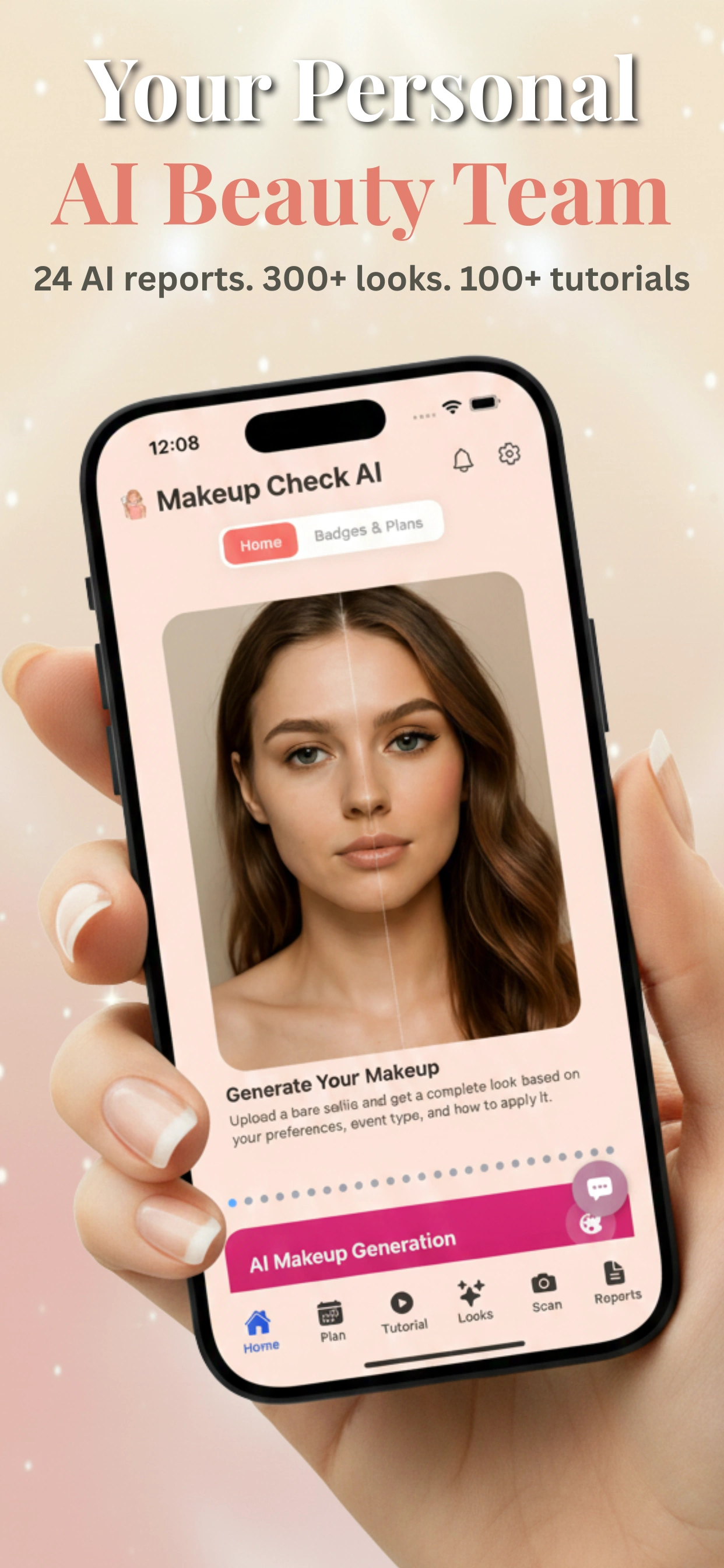
For digital inspiration and to visualize new hair and makeup looks, try Makeup Check AI. It offers virtual style try-ons and personalized recommendations to complement your curl routine.
Tackling Color Challenges – Blue Hair Not Showing Fix
Understanding the issue
High porosity and product buildup in thick curls can mute blue pigments, leading to faded color.
- Clarify Buildup
• Use a detox shampoo or pre-color kit to strip residue. - Bond-Building Treatment
• Apply Olaplex No. 3 or similar to repair cuticles and lock in dye. - Cool Water Rinse
• Seal cuticles post-color; avoid sulfates and hot water to prevent fading. - Moisturize with Silicone-Free Conditioner
• Ingredients like glycerin or natural oils keep hair vibrant. - Schedule Washes Sparingly
• Wash every 2–3 weeks; refresh roots with water or low-pH color sprays. - Professional Consultation
• Visit a curly hair salon for color-safe application and maintenance.
Fixing Haircut Issues – Bad Layers Haircut Fix
Defining bad layers in curls
Uneven slicing can disrupt curl clumping, create frizz, and produce odd volume distribution.
- Grow out layers gradually while using deep conditioning to support elasticity.
- Use leave-in cream and gel to scrunch and blend layer transitions.
- Diffuse on low heat to encourage curls to re-form around miscut layers.
- Opt for a corrective coil-by-coil dry cut at a specialist salon for lasting results.
Conclusion
A hydration-centric thick curly hair routine, paired with expert frizz prevention, strategic curly hair salon visits, and savvy maintenance of waves between washes, addresses color woes like the blue hair not showing fix and corrective solutions for the bad layers haircut fix. With consistent care and the right techniques, you’ll unlock defined, vibrant spirals that last.
Want more styling and beauty tools? Explore Makeup Check AI for your personal AI beauty assistant.
FAQ
How often should I wash thick curly hair?
Wash every 2–3 weeks using a sulfate-free shampoo to preserve natural oils and prevent over-drying.
Can I prevent frizz without expensive products?
Yes—a simple pre-poo with natural oils, scrunching with a cotton T-shirt, and cool-water rinses go a long way.
What’s the best way to refresh waves between wash days?
Use a lightweight leave-in or curl spray on damp sections, then scrunch to reactivate styling products and clumps.
How do I fix a bad layered haircut?
Blend layers by scrunching with a leave-in cream and gel, or schedule a coil-by-coil dry cut with a curly hair specialist.
Will clarifying remove my hair color?
A gentle clarifying shampoo removes buildup but won’t strip professional dyes if used sparingly before color appointments.