The Ultimate Thick Curly Hair Routine for Frizz-Free Curls
Discover the ultimate thick curly hair routine for frizz-free curls, maintaining waves between washes, and finding the best curly hair salons.

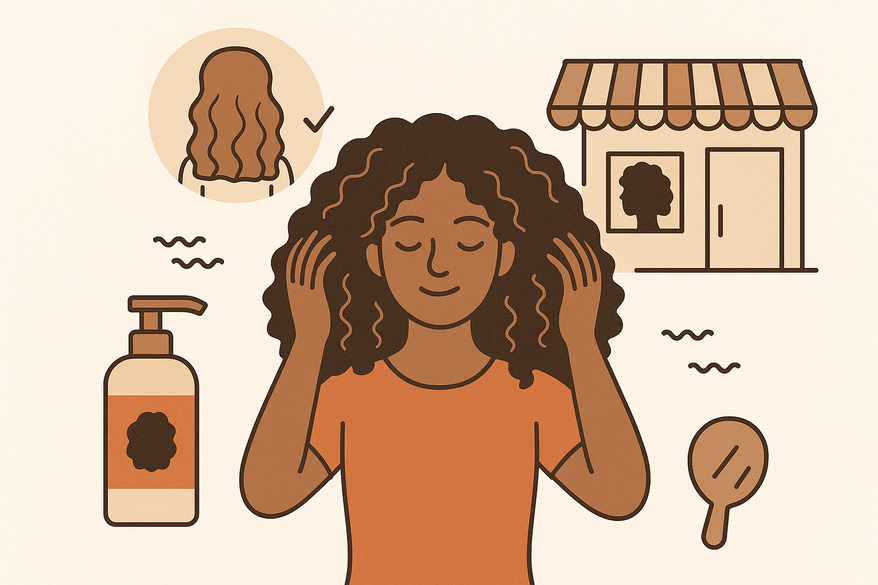
7-minute read
Key Takeaways
- Moisture & Structure: Thick curls need a balanced blend of hydration and gentle shaping.
- Consistent Routine: A step-by-step wash and refresh plan reduces frizz and breakage.
- Between-Wash Care: Simple misting and protective styling preserve wave definition.
- Expert Services: Curl-focused salons and smart fixes keep color and cuts on point.
- Deep Conditioning: Periodic masks and lightweight oils unlock soft, bouncy ringlets.
Table of Contents
- Building the Perfect Thick Curly Hair Routine
- Frizz Prevention
- Maintaining Waves Between Washes
- Navigating Curly Hair Salons
- Color & Styling Fixes
- Conclusion
Building the Perfect Thick Curly Hair Routine
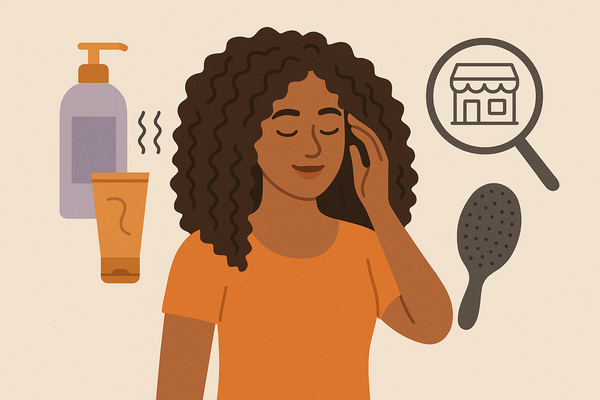
A consistent routine is the foundation of healthy, defined curls. By blending gentle cleansing, targeted conditioning, and structured styling, you can turn coarse coils into bouncy ringlets.
Daily Non-Wash Days
- Morning refresh: Mist hair with water or a 1:1 water and leave-in mix to wake your curls, then smooth a pea-sized curl cream on frizzy zones and scrunch.
- Protect: Detangle only with fingers or a wide-tooth comb when wet; secure loose ponytails in high humidity to curb swelling.
- Night care: Pineapple or loose braids and a satin pillowcase lock in moisture and shape.
Weekly Wash Day Routine
- Pre-poo: Apply oil or conditioner on dry hair to protect ends and ease detangling.
- Cleanse: Use a sulfate-free, curl-friendly shampoo; focus on the scalp and let suds run down the lengths.
- Condition & Detangle: Apply silicone-free conditioner mid-length to ends; finger-comb or use a wide-tooth comb, then rinse with cool water to seal cuticles.
- Deep Condition: Mask 1–2×/month (or weekly if very dry) under a heat cap for 10–30 minutes for intense hydration.
- Leave-in: On soaking-wet hair, apply a slip-providing leave-in conditioner to maximize moisture retention.
- Style: Layer products from lightest to heaviest—curl cream, mousse at roots, then gel. Rake or smooth in sections and scrunch for clumping.
- Dry: Blot with a microfiber towel or cotton T-shirt; air-dry or diffuse on low heat. Avoid touching hair to prevent frizz.
- Finish: Scrunch out the gel cast and add a light oil for shine and extra slip.
Frizz Prevention
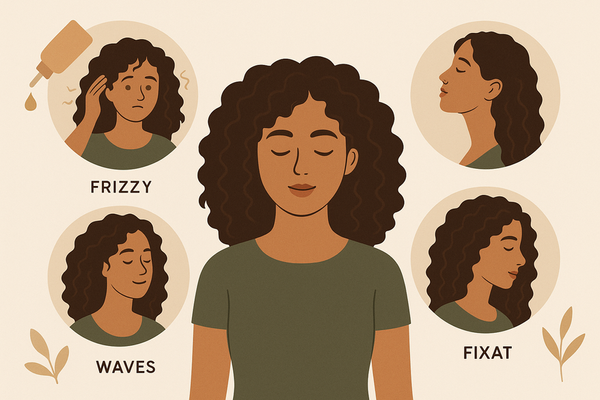
Frizz strikes when cuticles lift and moisture escapes, especially in humidity. Rough drying and product buildup worsen the effect.
- Hydrate deeply: Opt for moisturizing cleansers, conditioners, and a nourishing leave-in.
- Seal and protect: Finish with a lightweight oil on ends; sleep on satin or silk to reduce friction.
- Gentle handling: Detangle only when wet; blot don’t rub your hair.
- Clarify: Use a clarifying shampoo every 4–5 washes, then follow with a deep condition.
Maintaining Waves Between Washes
Waves between washes come from product cast softening and oils weighing hair down. Keep them alive with strategic styling:
- Refresh, don’t re-wash: Mist with water or water + leave-in; scrunch to reactivate stylers.
- Spot-treat: Apply curl cream or gel only on frizzy zones.
- Night protection: Pineapple, loose braids, or a silk scarf preserve your wave pattern.
Navigating Curly Hair Salons
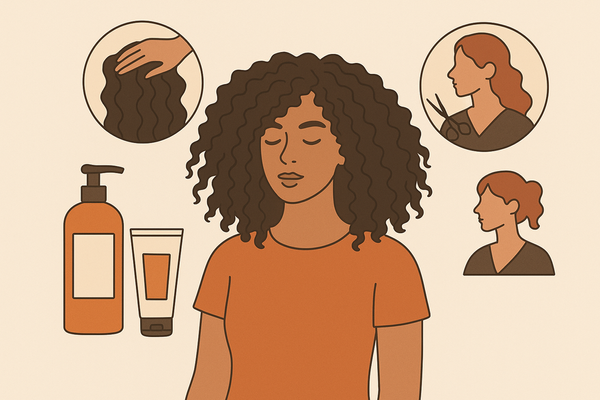
Finding a true curly hair salon means choosing stylists who respect your texture and curl shape.
- Look for portfolios showcasing dry-cut or curl-by-curl techniques.
- Ensure emphasis on hydration, healthy ends, and low-heat styling.
- Avoid aggressive thinning, heavy heat, or straight-hair products.
Color & Styling Fixes
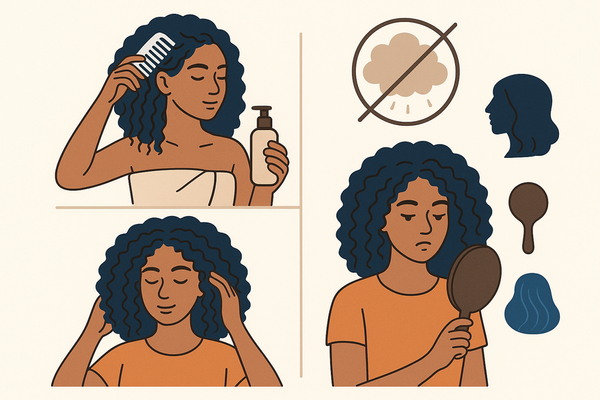
Blue Hair Not Showing Fix
- Pre-lighten: Lift to the correct level using bond-building treatments.
- Professional dyes: Use vivid blue formulas and maintain with color-depositing conditioners.
- Color-safe care: Switch to sulfate-free, color-safe shampoos and deep-condition regularly.
- Dimension: Add highlights or peek-a-boo panels for contrast.
Bad Layers Haircut Fix
- Identify issues: Look for pyramid shapes, jagged pieces, or uneven curl distribution.
- Avoid DIY trims: Thick curls need a specialist touch.
- Grow-out plan: Wait 4–8 weeks and consult a curl-savvy stylist.
- Camouflage: Use defined styling, strategic parting, half-up looks, and micro-trims.
- Maintain ends: Deep condition and use bond-builders for smoother appearance.
Conclusion
A complete thick curly hair routine blends gentle cleansing, deep conditioning, layered moisture, and curl-friendly styling. With these frizz prevention strategies, between-wash refresh methods, and clear guidelines for selecting a curly hair salon, you’ll master every twist and coil. When color or cut mishaps arise, like a missing blue hue or uneven layers, follow the step-by-step fixes above.
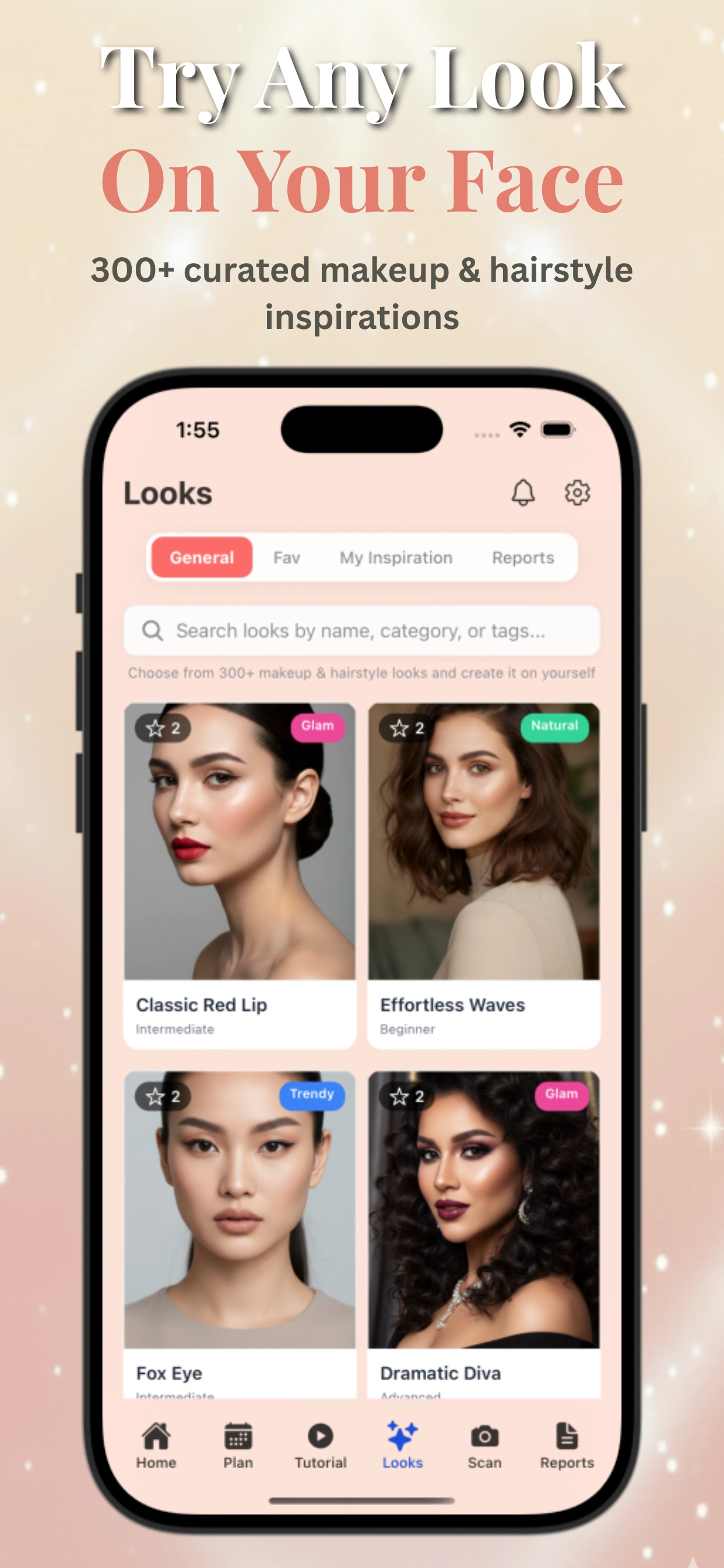
Beyond your routine, tools like Makeup Check AI provide tailored beauty advice—from virtual hairstyle try-ons to personalized product recommendations—making each day easier.
Feel free to experiment and personalize: adjust product amounts, refresh frequency, and styling techniques to suit your unique pattern and lifestyle. Share your results, favorite products, and tips to build a community of confident, defined, and healthy curls.
FAQ
- Q: How often should I wash thick curly hair?
A: Aim for once a week or every 7–10 days, using sulfate-free products to avoid stripping natural oils. - Q: What’s the best way to prevent frizz in humid weather?
A: Hydrate with rich conditioners, seal with a lightweight oil, and protect your hair at night on satin or silk. - Q: How can I refresh my waves without re-washing?
A: Mist with water or a water + leave-in mix, then scrunch to reactivate stylers and reshape curls. - Q: How do I find a salon that specializes in curly hair?
A: Look for stylists showcasing curl-by-curl cuts, portfolio photos of defined ringlets, and an emphasis on low-heat styling.