Ultimate Thick Curly Hair Routine: Frizz Prevention and More
Discover the ultimate thick curly hair routine to manage frizz, refresh waves, and improve salon experiences for a vibrant, healthy look.

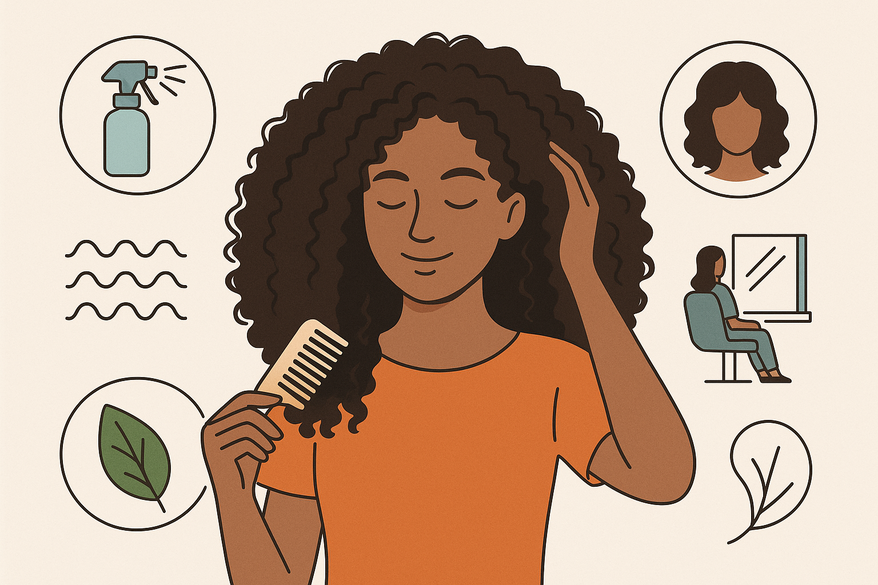
Estimated reading time: 4 minutes
Key Takeaways
- Establish a four-pillar routine: cleanse, hydrate, style, protect.
- Use sulfate-free products and gentle drying to prevent frizz.
- Refresh curls between washes with DIY mist and root clips for added volume.
- Select stylists skilled in curl cuts to avoid uneven layering.
- Repair color issues with clarifying and color-depositing masks.
Table of Contents
- Understanding Your Thick Curly Hair Routine
- Frizz Prevention Techniques
- Managing Waves Between Washes
- Choosing and Evaluating Curly Hair Salons
- Fixing Salon and Haircut Mishaps
- Solving Color Problems: Blue Hair Not Showing Fix
- Conclusion
Section 1: Understanding Your Thick Curly Hair Routine
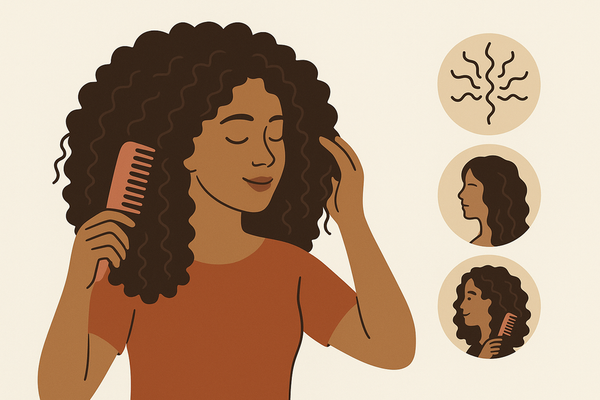
A solid routine starts with knowing your hair’s nature. Thick curly hair features dense strands, porous cuticles, and a mix of curl patterns that need moisture, protection, and careful styling (source: Curlsmith’s Curly Hair Care Guide).

What Makes Hair “Thick Curly”?
- Dense strands with multiple fibers per follicle
- Porous cuticles that let moisture escape
- Prone to tangles, breakage, and uneven curl patterns
The Four Pillars of Your Routine
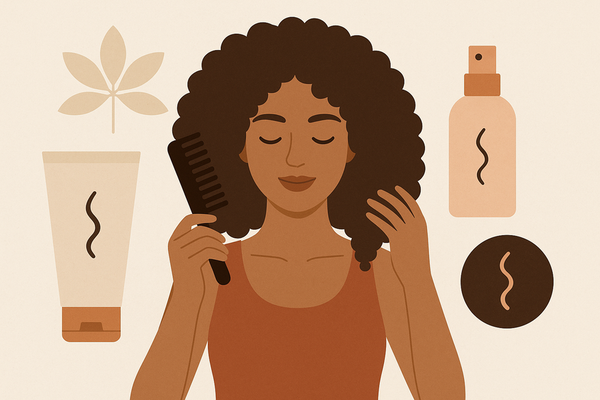
- Gentle Cleanse – Use sulfate-free shampoo on the scalp only.
- Deep Hydration – Apply conditioner from mid-lengths to ends and use weekly masks.
- Styling for Definition – Layer leave-in, cream, and gel; then scrunch to seal cuticles.
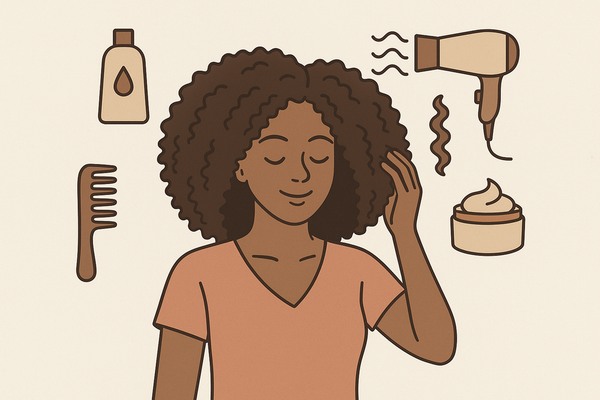
- Protective Drying – Plop with a T-shirt and diffuse on low heat or air-dry.
Section 2: Frizz Prevention Techniques
Effective frizz prevention stops cuticle lifting before it starts. On soaking-wet hair, apply leave-in, curl cream, then seal with oil once dry.
- Shampoo: Sulfate-free lather on the scalp only.
- Condition: Finger-detangle from mid-lengths to ends.
- Plop & Dry: Use a cotton T-shirt or microfiber wrap; air-dry or diffuse on low heat.
Section 3: Managing Waves Between Washes
On non-wash days, refresh curls with a DIY mist of water and leave-in. Scrunch gently or quick-plop in a T-shirt. Use root clips at the scalp and air-dry for extra volume.
Section 4: Choosing and Evaluating Curly Hair Salons
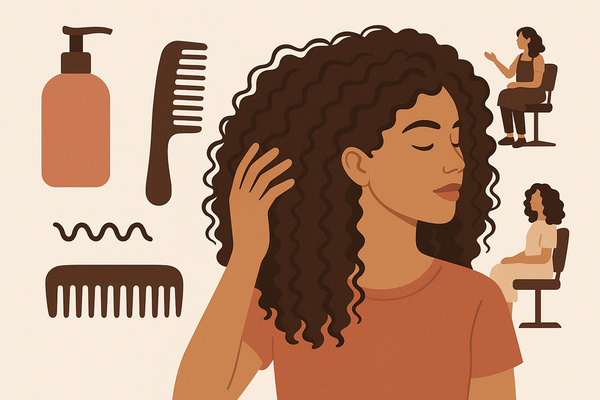
Look for “curl cuts” or “dry cuts” in service menus. Review before/after portfolios and reviews praising “thick curly hair” expertise. Avoid stylists using over-texturizing shears or heavy layering techniques meant for straight hair.
Section 5: Fixing Salon and Haircut Mishaps
If you’ve ended up with unwanted layers, book a dry-cut session with a curl expert to re-layer your hair. Incorporate bond-building masks, trim split ends every 6–8 weeks, and style with root clips to camouflage uneven cuts.
Section 6: Solving Color Problems: Blue Hair Not Showing Fix
First, clarify hair before dyeing. Then apply a color-depositing blue mask for 10–20 minutes on damp strands. Use bond-building treatments during and after color to lock in pigment and boost vibrancy.
Conclusion
You’ve learned how to establish a consistent thick curly hair routine, prevent frizz, refresh waves, choose the right salon, fix haircut mishaps, and address color issues. Personalize these tips to your curl pattern and track what works for your best results.
For a seamless way to plan and analyze your entire beauty regimen—from hair to makeup and skincare—explore Makeup Check AI, your complete AI beauty team.
FAQ
How often should I wash thick curly hair?
Most people with thick curly hair benefit from washing every 3–5 days. This schedule retains moisture and natural oils while preventing buildup.
Can I diffuse my hair daily?
Diffusing on a low-heat setting is safe, but daily heat can cause damage over time. Try air-drying or alternate with plopping to minimize heat exposure.
What’s the best way to refresh curls?
Use a spray mist of water and leave-in conditioner, scrunch gently, and clip roots for lift. Quick plopping in a T-shirt also helps redefine waves.
Do I need a special haircut for thick curly hair?
Yes, seek a stylist experienced with dry cuts for curls. This technique evaluates your curl pattern in its natural state for balanced layers.