The Ultimate Thick Curly Hair Routine for Frizz-Free Curls
Master the ultimate thick curly hair routine for frizz prevention, salon success, and keeping waves fresh between washes with our expert tips.

Estimated reading time: 8 minutes
Key Takeaways
- Specialized routines for dense, coiled hair retain moisture and define curls
- Frizz prevention relies on sulfate-free cleansing, silicone-free conditioners, and layered styling
- Between-wash refresh methods keep waves bouncy without over-washing
- Choosing curl-trained stylists prevents uneven layers and flat cuts
- Color corrections and bond-building treatments ensure vibrant blue hair
- Trim strategies and styling hacks fix uneven layers until your next cut
Table of Contents
- Understanding Thick Curly Hair Routine
- Frizz Prevention Techniques
- Managing Waves Between Washes
- Curly Hair Salons Navigation
- Blue Hair Not Showing Fix
- Bad Layers Haircut Fix
- Conclusion
Section 1: Understanding Thick Curly Hair Routine
A thick curly hair routine is a targeted regimen for dense, coiled hair that optimizes moisture retention, curl definition, and combats frizz early. This routine restores balance and shape by sealing in hydration and sculpting ringlets that last. For detailed care tips, see the Curly Hair Care Guide or explore essential techniques in the Curly Girl Method Guide.
Key Characteristics
- High density: dense strands packed close together
- Tight coils or waves: many bends trap moisture
- Porous structure: cuticle gaps lead to rapid moisture loss
These factors cause dryness and frizz without proper care.
Section 2: Frizz Prevention Techniques
Effective frizz prevention starts with the right ingredients and a step-by-step daily routine. These methods form the core of any thick curly hair regimen.
Understanding Frizz
Frizz happens when the hair cuticle raises and lets moisture in or out, making curls look puffy, dry, and undefined.
Choose the Right Products
- Avoid sulfates: they strip natural oils
- Skip silicones: they cause build-up and block hydration
- Use lightweight oils: seal cuticles without weight
Ingredient Guidance
- Sulfate-free shampoos
- Silicone-free conditioners
- Natural oils (argan, jojoba, sweet almond)
Daily Routine Integration
- Cleanse Scalp Only
• Massage a sulfate-free shampoo into your scalp.
• Rinse thoroughly to avoid residue.
Curly Hair Care Guide - Condition and Detangle
• Apply conditioner from mid-lengths to ends.
• Detangle gently with fingers or a wide-tooth comb.
• “Squish to condish”: scrunch conditioner upward into curls.
Curly Hair Tips - Moisturize on Damp Hair
• Emulsify a leave-in conditioner or curl cream with water.
• Distribute evenly by raking through with fingers.
Curly Hair Care Guide - Style for Definition
• Layer from light to heavy: serum → cream → gel/custard.
• Scrunch curls to form clumps and reduce frizz.
Curly Hair Care Guide - Dry: Plop and Diffuse
• Use a cotton T-shirt or microfiber towel to plop.
• Air-dry or diffuse on low heat.
• Finish with a light oil to seal cuticles.
Curly Hair Care Guide - Refresh Curls
• Spritz water or a leave-in spray.
• Apply reactivated gel and scrunch to revive shape.
Curly Hair Care Guide
Section 3: Managing Waves Between Washes
Over-washing can strip oils and lead to frizz in thick hair. A good between-wash plan keeps curls fresh without shampoo.
- Lightly spritz each section with water or curl refresher.
- Smooth in curl cream or leave-in from wash day.
- Mix a nickel-sized amount of gel with water; scrunch to reactivate hold.
For volume:
- Clip roots upward during drying.
- Diffuse upside down on low heat to boost lift.
Section 4: Curly Hair Salons Navigation
Choosing the right salon is key to avoid a bad layers haircut and ensure thick curls get the cut they need.
- Studios with curl specialists trained in dry-cutting
- Use vertical sectioning to shape thick curls evenly
- Prevent flattened or uneven layers
Communication Checklist:
- Bring clear photos of your curl pattern and target length.
- Ask for a “curly cut” with vertical sections, not horizontal slicing.
- Emphasize weight distribution to avoid uneven layers.
Section 5: Blue Hair Not Showing Fix
Thick, porous curls can struggle to hold vibrant blue hues. A proper fix ensures even, vivid color.
- Clarify Hair: Remove build-up with a gentle clarifying shampoo.
- Tone and Deposit: Use a color-safe, sulfate-free blue-toning shampoo or glaze.
- Bond-Building Treatments: Apply protein masks to rebuild hair structure.
- Adjust Routine: Deep condition weekly and minimize heat styling.
- Professional Gloss or Correction: Return to a salon for a glaze or touch-up.
Section 6: Bad Layers Haircut Fix
A bad layers haircut fix restores balance to uneven curls until your next trim.
- Grow-Out Strategy: Schedule curl-specialist trims every 8–12 weeks to blend layers.
- Styling Hacks: Apply volumizing mousse at roots for lift; use heavy-hold gel on ends for definition.
- Refresh Scrunch Technique: Section hair vertically and scrunch each column to reform clumps.
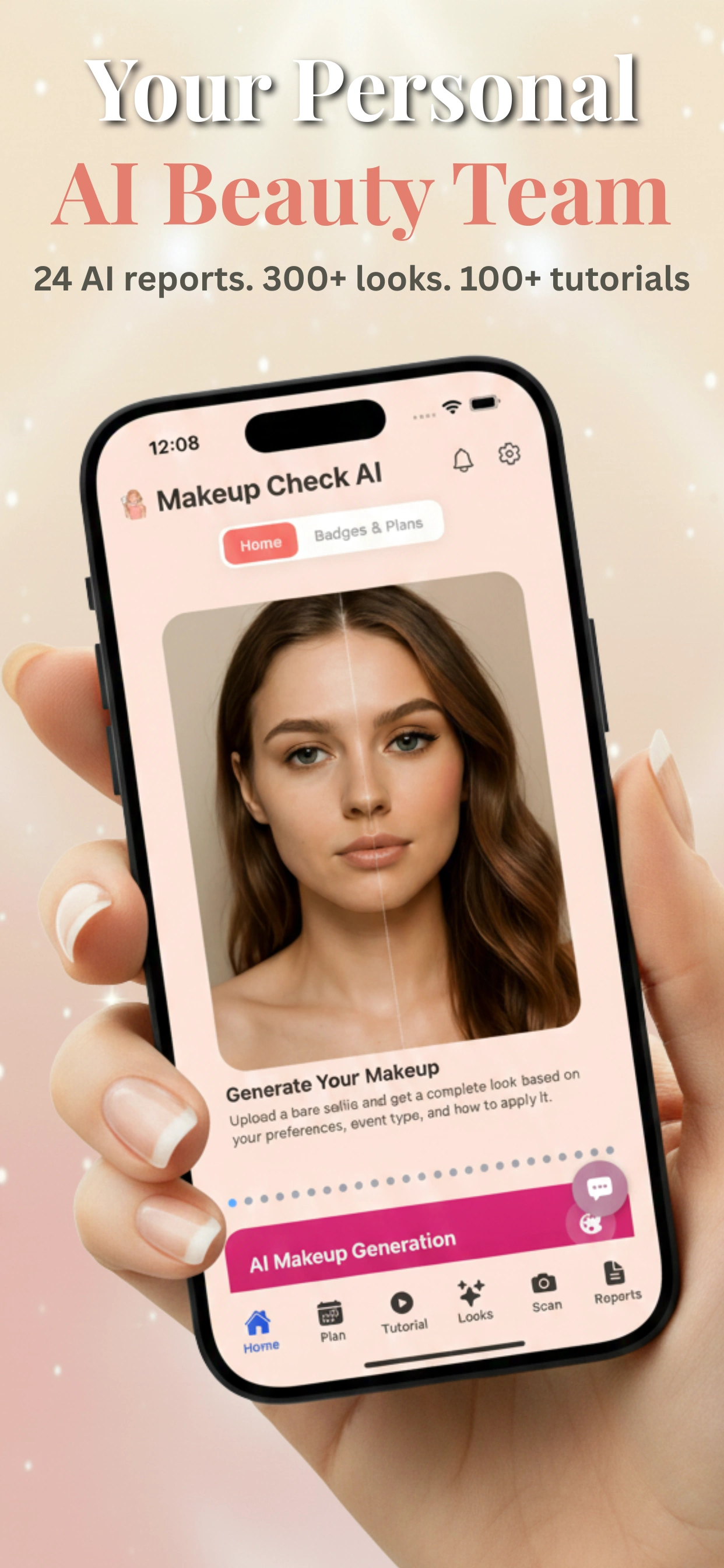
For a holistic approach, consider Makeup Check AI for personalized reports and daily reminders covering skincare, makeup, and hairstyle inspiration.
Conclusion
A complete thick curly hair routine covers six pillars:
- Frizz prevention with gentle cleansing and styling
- Managing waves between washes to preserve bounce
- Choosing the right salon to avoid uneven layers
- Applying a blue hair fix for vivid color
- Troubleshooting common pitfalls like bad layers
Test these steps, track your results, and adjust products based on your curl type. Share your experiences in the comments below, and subscribe for more expert guidance.
FAQ
- How often should I shampoo thick curly hair?
Shampoo your scalp only every 7–10 days to prevent dryness; co-wash or refresh in between. - Can I use silicones in my products?
Avoid non-water-soluble silicones—they build up and block hydration. Opt for silicone-free formulas. - How do I preserve color-treated curls?
Use sulfate-free shampoos, deep condition weekly, and minimize heat styling. Consider bond-building treatments. - What’s the best way to prevent bad layers from a salon cut?
Choose stylists trained in curly hair, request dry cutting, and show photos of your curl pattern.