The Ultimate Thick Curly Hair Routine for Healthy, Defined Curls
Discover the ultimate thick curly hair routine to achieve healthy, defined curls. Tackle frizz prevention, waves between washes, and salon solutions.

Estimated reading time: 8 minutes
Key Takeaways
- Custom routine is crucial to prevent frizz and promote definition.
- Simple refresh methods keep waves alive between washes.
- Professional curly-hair stylists offer tailored cuts and treatments.
- Color issues like blue dye fading have specific pre- and post-care steps.
- Layered haircut mishaps can be corrected with texturizing and consultation.
Table of Contents
- Section 1: Understanding Thick Curly Hair
- Section 2: Frizz Prevention Techniques
- Section 3: Maintaining Waves Between Washes
- Section 4: Navigating Curly Hair Salons
- Section 5: Fixing Color Challenges – Blue Hair Not Showing
- Section 6: Repairing Haircut Issues – Bad Layers Fix
- Conclusion
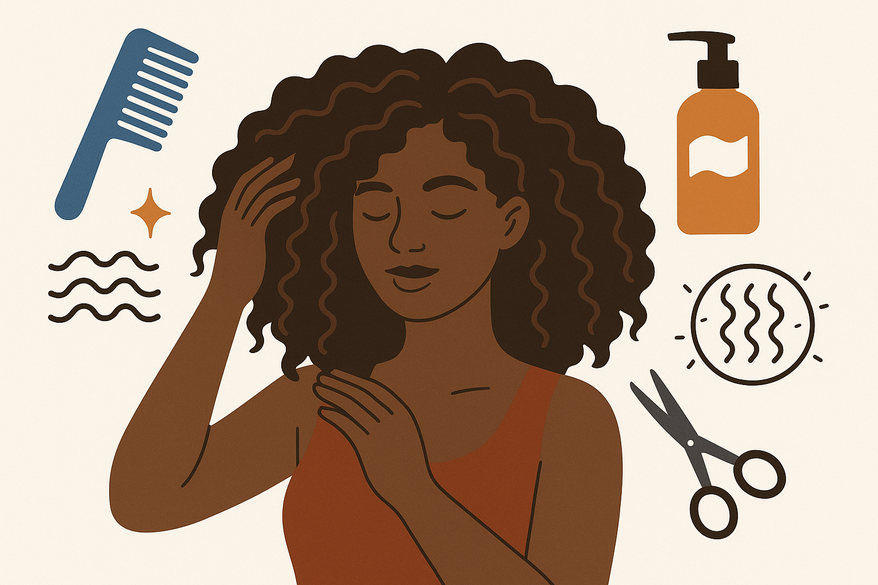
A thick curly hair routine is the step-by-step plan you follow to keep big, bouncy curls healthy and defined. It’s vital for curl health, volume management, and definition. Without a tailored routine, thick curls can become frizzy, weighed down, or shapeless.
In this post, we’ll tackle five core challenges: frizz prevention, maintaining waves between washes, navigating curly hair salons, a blue hair not showing fix, and a bad layers haircut fix. You’ll learn concrete tips for each issue. Get ready to transform your curls!
Section 1: Understanding Thick Curly Hair
Defining Thick, Curly Hair
- Hair density vs. diameter
- Density: number of follicles per square inch. More follicles = fuller hair.
- Diameter: individual strand thickness. Thicker strands feel coarser.
- Common curl types: 2C–4A
- 2C waves: loose S-shapes with body.
- 3A–3B curls: springy loops, moderate volume.
- 4A coils: tight corkscrews, high density and shrinkage.
- Why thickness matters
- High-density curls carry more water weight.
- Thicker strands resist moisture absorption.
- Both factors affect styling time and product needs.
Porosity and Elasticity in Thick Curls
- Porosity: how well hair absorbs and holds moisture
- Low-porosity: cuticles lay flat; products sit on top.
- High-porosity: cuticles raised, absorb fast but lose moisture quickly.
- Elasticity: how much hair stretches and snaps back
- Healthy curls bounce back to shape.
- Damaged curls break or stretch out.
For more in-depth tips on curl care, check out this ultimate thick curly hair routine guide.
Section 2: Frizz Prevention Techniques
Why Frizz Happens in Thick Curls
- Humidity: water in the air raises cuticles.
- Damaged cuticle layers: rough edges allow moisture in and out.
- Lack of sealing: moisture escapes from cortex.
- Heat damage: high temperatures crack the cuticle.
“Frizz often results from raised cuticles allowing moisture in.” – source
Actionable Frizz Prevention Routine
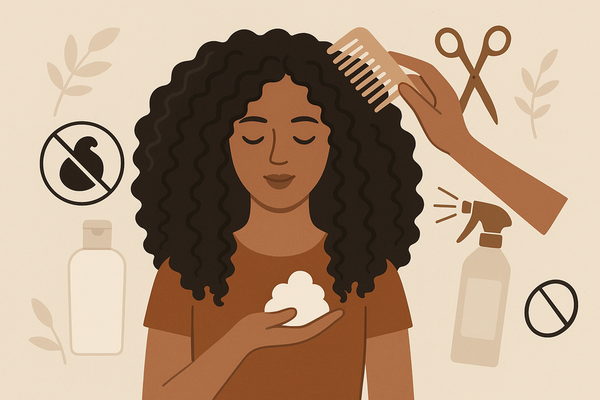
- Pre-poo treatment
- Apply coconut or olive oil 30 minutes before shampoo.
- Coats hair with lipids to protect cuticles.
- Sulfate-free, moisturizing cleanser
- Use a low-lather formula to avoid stripping natural oils.
- Look for ingredients like glycerin and shea butter.
- Deep conditioning
- Use a 15–20 minute mask with humectants (glycerin, honey).
- Cover with a shower cap for heat-boosted absorption.
- Leave-in conditioner + sealant
- Apply a lightweight milk or cream to wet hair.
- Follow with oil or jelly to lock in moisture.
- Styling with anti-humidity gel
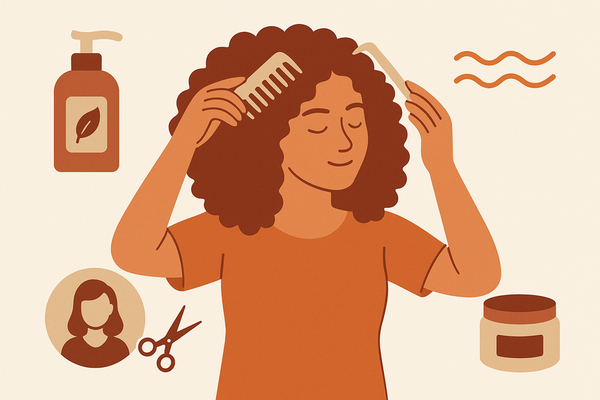
- Use a wide-tooth comb to distribute gel through wet hair.
- Scrunch from ends to roots for curl clumping.
- Diffuser technique
- Set dryer to low-heat, low-speed.
- Cup curls in the diffuser, lift at roots for volume.
Section 3: Maintaining Waves Between Washes
What Are Waves Between Washes?
Waves between washes means keeping curl pattern fresh on days 2–4 without shampoo. It avoids over-washing and preserves natural oils.
Detailed Refresh Routine
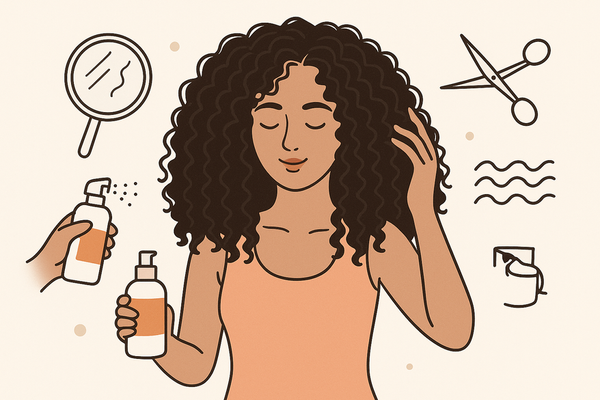
- Water + leave-in spray
- Mix water and leave-in in a spray bottle.
- Mist roots only to revive volume.
- Light gel scrunch
- Use a pea-sized amount on mid-lengths and ends.
- Scrunch upward to reactivate curl cast.
- Pineappling or loose bun
- Gather hair loosely at crown with a silk scrunchie.
- Sleep on a silk pillowcase to avoid dents.
- Finger-detangle
- Gently break gel cast with fingertips after 10 minutes.
- Scrunch hair to reform clumps.
Section 4: Navigating Curly Hair Salons
Benefits of Professional Curly-Hair Stylists
- Specialized cutting: DevaCut and Ouidad methods shape curls dry.
- Customized hydration treatments for your curl type.
- Precision drying techniques to set pattern on the spot.
How to Find the Right Salon
- Research stylists who advertise as curl specialists.
- Read client before/after galleries for similar hair types.
- Schedule a consultation—bring photos of your curl pattern, thickness, and desired outcome.
- Ask about cutting techniques (layer placement for weight distribution).
- Check which product lines they carry (sulfate-free, silicone-free).
Section 5: Fixing Color Challenges – Blue Hair Not Showing Fix
Why Blue Dye May Not Show on Thick Curls:
- Insufficient pre-lightening: underlying color too dark.
- High porosity: pigment leaks out fast.
- Incorrect pH: dye formula can’t penetrate.
- Product buildup: blocks pigment uptake.
- Clarifying shampoo one week before coloring.
- Pre-lighten to pale yellow with a bond-builder (e.g., Olaplex).
- Use pH-balanced deposit-only blue dye.
- Weekly color-depositing conditioner to refresh blue intensity.
- Cold wash days to close cuticles and lock pigment.
Section 6: Repairing Haircut Issues – Bad Layers Haircut Fix
- Second-opinion consultation with clear photos.
- Texturizing shears to thin bulky zones.
- Curl-specific root-lift cut for balanced volume.
- At-home deep-conditioning hacks to soften harsh layers.
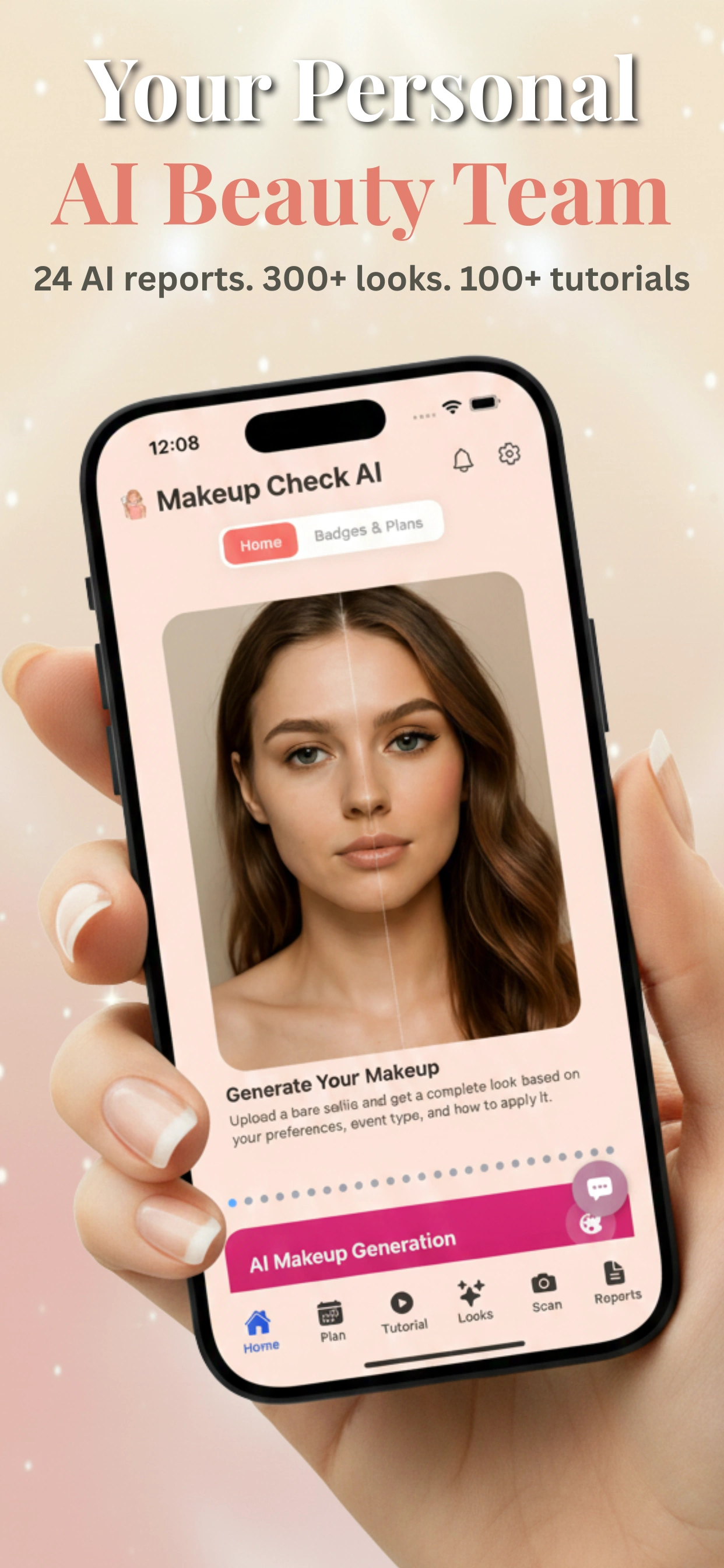
For personalized hair and beauty insights, apps like Makeup Check AI use AI to analyze your look and suggest routines.
Conclusion
A tailored thick curly hair routine tackles frizz prevention, sustaining waves between washes, professional salon support, blue hair not showing fixes, and bad layers haircut corrections. By following these detailed steps, you’ll enjoy healthier, more defined curls with volume in all the right places. Start implementing these tips today.
FAQ
How often should I wash thick curly hair?
Wash every 3–5 days to maintain natural oils. On non-wash days, use water-based sprays to refresh.
What’s the best way to prevent frizz in humid weather?
Seal cuticles with a lightweight oil or gel, and dry with a diffuser on low heat to minimize moisture intrusion.
Can I refresh my curls without re-wetting completely?
Yes. Mist roots and scrunch a small amount of gel on mid-lengths to reactivate your existing curl cast.
How do I find a stylist who understands thick curls?
Look for professionals advertising DevaCut, Ouidad, or curl-specific certifications, and review their before/after galleries.