Smart Makeup Sustainability: How Technology Is Shaping a Greener Beauty Future
Explore how technology is transforming smart makeup sustainability, combining eco-friendly design and advanced tech to shape a greener beauty future.

8 min read
Key Takeaways
- Smart makeup merges advanced technology with eco-friendly design to reduce waste, emissions, and resource depletion.
- Innovations in formulations and packaging—from waterless concentrates to refillable systems—drive circularity.
- Data & tracking tools enable brands to measure carbon footprints and guide consumers to use just what they need.
- Consumer demand for transparency, ethical sourcing, and low-impact products is reshaping the beauty market.
- Future trends include modular refill systems, lab-grown ingredients, closed-loop manufacturing, and digital footprint apps.
Table of Contents
- Section 1: Understanding Smart Makeup
- Section 2: The Role of Sustainability in Makeup
- Section 3: How Smart Makeup Contributes to Sustainability
- Section 4: Consumer Awareness and Impact of Sustainability
- Section 5: Future Trends and Innovations in Smart Makeup Sustainability
- Conclusion
- Additional Resources & References
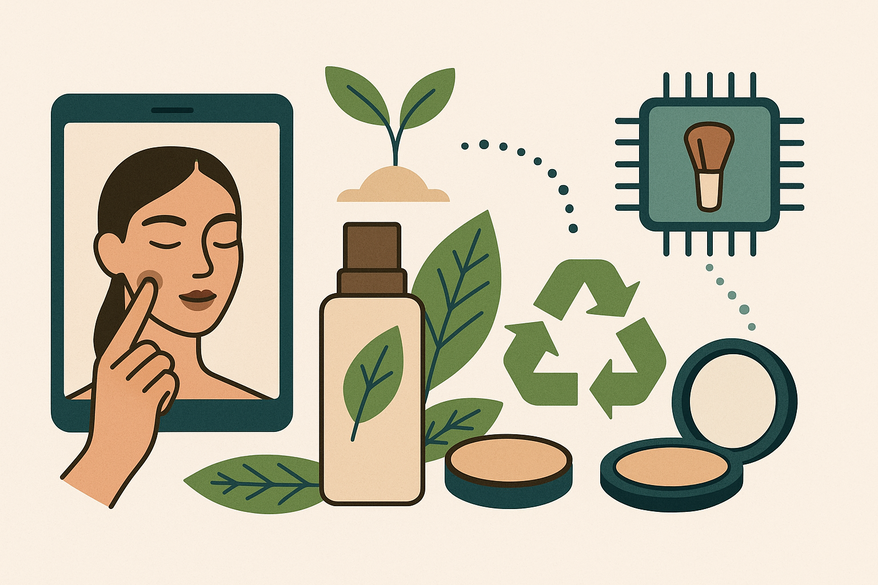
Smart makeup sustainability is transforming the beauty industry by combining advanced technology with eco-friendly design. Smart makeup sustainability refers to makeup products and systems that use technology, design, and science to reduce environmental and social impact across their entire life cycle—from ingredients and manufacturing to packaging, use, and disposal. This approach goes beyond “clean beauty” to measure and minimize waste, carbon emissions, pollution, and resource depletion at every stage. According to industry experts, billions of beauty items sold each year end up as landfill or ocean plastic without sustainable intervention, driving urgent demand for greener solutions.
Sustainability in beauty protects forests, cuts greenhouse gases, and supports fair labor practices in ingredient sourcing and manufacturing. By adopting smart makeup and circular packaging, brands can deliver high-performance cosmetics while honoring both people and planet. In this guide, we explore what makes makeup “smart,” why sustainability matters, real-world innovations, consumer tips, and future trends shaping a greener beauty future.
Section 1: Understanding Smart Makeup
Core Concepts of Smart Makeup
- Lifecycle Thinking
- Products are designed for low environmental impact from raw materials to end-of-life.
- Brands use lifecycle assessments and circularity frameworks to minimize waste.
- Innovative Formulations
- Waterless and highly concentrated formulas cut water use and shipping weight.
- Lab-made biotech ingredients (e.g., vegan squalane instead of shark-derived) protect wildlife.
- Eco-Intelligent Packaging
- Refillable cartridges, mono-material systems, and compostable components simplify recycling.
- Designs eliminate unnecessary plastics and non-recyclable elements like mirrors or combo materials.
- Data & Tracking
- Carbon accounting and supply-chain transparency tools measure and report impact.
- Digital usage guides help consumers apply just the right amount, reducing product waste.
From Tradition to Smart Sustainability
Traditional beauty often prioritizes color payoff and texture, neglecting social and environmental costs. In contrast:
- Traditional makeup
- Focuses on aesthetics, often uses single-use plastic, ignores end-of-life.
- Smart sustainable makeup
- Balances high-performance formulas with ethical sourcing, lower carbon/water footprints, and circular packaging.
Real-World Smart Makeup Examples
- Aether Beauty zero-waste palettes
- Entire palette is recyclable; mirrors and magnets are removed to allow full material recovery.
- Milk Makeup refillable cartridges
- Up to 60% less plastic per unit when consumers buy refills instead of new full-size products.
Section 2: The Role of Sustainability in Makeup
Why Sustainability Matters
Sustainability in makeup addresses the full product footprint—from deforestation for palm oil and mica mining to plastic pollution and carbon emissions. A holistic view covers:
- Ecosystems & Biodiversity
- Sustainable sourcing avoids habitat destruction and supports regenerative agriculture.
- Workers & Communities
- Ethical labor standards ensure safe conditions and fair wages, especially in developing regions.
- Climate & Water
- Reducing greenhouse gases and water consumption in manufacturing conserves vital resources.
Environmental and Ethical Issues
- Packaging & Plastics
- Conventional beauty relies on multi-layer plastics and non-recyclable components. Sustainable brands adopt refillable systems and biodegradable materials.
- Ingredient Sourcing
- Unsafe mica mines have been tied to child labor and environmental damage. Fair-trade and lab-created mica alternatives eradicate these harms.
- Manufacturing & Water Use
- Traditional formulas often require water-heavy processes. Closed-loop systems and renewable energy in manufacturing cut water and emissions.
Key Stats & Trends
- Annual impact: Over 120 billion units of beauty packaging enter the global waste stream each year.
- Consumer preferences: 75% of shoppers say they would switch brands for more eco-responsible products.
- Packaging innovation: Refillable and zero-waste formats have grown by 40% in the past five years.
Section 3: How Smart Makeup Contributes to Sustainability
Eco-Formulations & Reduced Impact
- Biodegradable, Low-Toxicity Formulas
- Reduce waterway pollution after rinsing.
- Free of microplastics and endocrine disruptors.
- Waterless/Concentrated Products
- Eliminate up to 90% of water in cream and lotion formulas.
- Lighter shipments lower transportation emissions.
- Lab-Grown Ingredients
- Synthetic mica and biotech squalane replace animal-derived or mined alternatives.
- Protects marine ecosystems and risky mining communities.
Packaging Innovations
- Biodegradable & Plant-Based Materials
- Bamboo compacts and PLA bioplastics break down in industrial compost.
- Refillable Designs
- Consumers swap only inner pans or cartridges, discarding minimal waste.
- Recyclable Mono-Materials
- Single-plastic or metal systems streamline recycling and reduce contamination.
Section 4: Consumer Awareness and Impact of Sustainability
Demand Driving Industry Change
- Health & Eco Preferences: 68% of buyers actively seek clean, non-toxic formulas.
- Reputation & Market Share: Brands ignoring sustainability risk losing loyalty and market position.
Tips for Choosing Smart, Sustainable Makeup
- Prioritize Packaging: Look for refillable, recyclable, or compostable containers with clear disposal instructions.
- Check Ethical Sourcing: Seek fair-trade mica, palm-oil-free, and responsibly harvested plant extracts.
- Evaluate Water & Carbon Claims: Brands should disclose water-reduction and renewable energy commitments.
- Choose Concentrated & Multi-Use Products: Fewer items mean less packaging waste and storage impact.
Importance of Transparency & Certifications
- FSC-Certified Packaging: Guarantees cardboard and paper come from responsibly managed forests.
- Cruelty-Free & Vegan Logos: Third-party audits ensure no animal testing or animal-derived ingredients.
- Impact Reports: Brands sharing ingredient origin, manufacturing footprint, and sustainability goals foster trust.
Section 5: Future Trends and Innovations in Smart Makeup Sustainability
Emerging Technologies & Designs
- Advanced Modular/Refill Systems: Click-in pans and cartridges enable near-zero packaging waste.
- Expanded Biotech Ingredients: Lab-grown pigments and actives reduce pressure on agriculture and mining.
- Waterless & Closed-Loop Manufacturing: New reactors and distillation methods aim for net-zero water use.
- Digital Transparency Tools: QR codes and apps linking to carbon footprints, ingredient charts, and sourcing maps.
Challenges & Opportunities
- Upfront Costs & R&D: New packaging lines and ingredient research demand investment.
- Greenwashing Risks: Brands must back claims with third-party data to maintain credibility.
- Differentiation & Loyalty: Measurable impact reductions and clear transparency build enduring customer relationships.
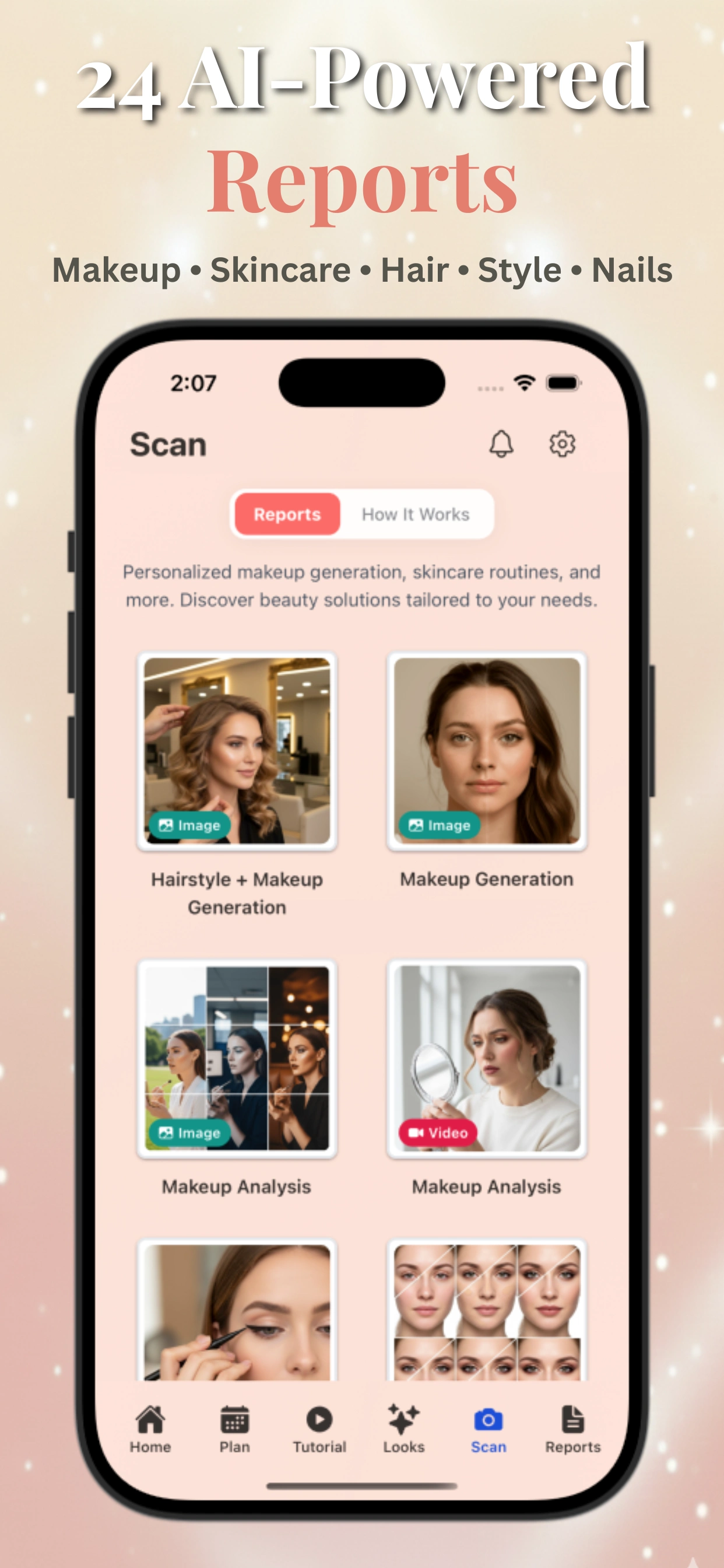
As technology and consumer demand advance, smart makeup sustainability will become the standard for ethical, high-performance cosmetics. Innovators are even integrating AI Makeup App features to track usage analytics, optimize refill orders, and educate users on green habits with daily reminders.
Conclusion
Smart makeup sustainability is vital for environmental stewardship and social responsibility in the modern beauty landscape. By integrating innovative formulations, circular packaging, and transparent supply chains, brands can deliver high-performance cosmetics that respect planetary boundaries. Consumers and companies alike must research sourcing practices, choose refillable and low-waste products, and scrutinize vague “green” claims in favor of verifiable, certified sustainability efforts. Together, we can ensure that beauty enhances not just our appearance but also the health of our planet and communities.
Additional Resources & References
- Clean Beauty vs. Sustainable Beauty
- What Is Sustainable Beauty?
- Rise of Sustainable Beauty
- Elements of Sustainable Beauty Products
- Eco-Friendly Beauty Tech Integration
- Clean Beauty Makeup Trends
- Cutting-Edge Makeup Innovations
FAQ
- What is smart sustainable makeup? Smart sustainable makeup uses technology-driven formulations, eco-intelligent packaging, and data tracking to minimize environmental and social impacts across a product’s lifecycle.
- How does technology improve makeup sustainability? Technologies like carbon-accounting tools, digital usage guides, lab-grown ingredients, and refillable systems help brands measure, report, and reduce waste, while guiding consumers toward efficient usage.
- How can I choose truly sustainable makeup? Look for clear disposal instructions, refillable or compostable packaging, ethical sourcing certifications, water-reduction commitments, and transparent impact reports from third parties.
- Why is transparency important in beauty sustainability? Transparency—through certifications, publicly shared impact data, and supply-chain traceability—builds consumer trust and prevents greenwashing, ensuring claims are credible and measurable.