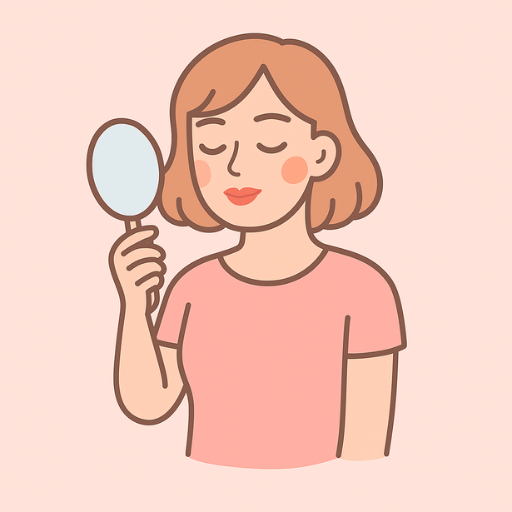
7 Overcoming Makeup Anxiety Tips to Feel Confident With or Without Makeup
Discover 7 practical overcoming makeup anxiety tips to boost your confidence with or without makeup. Transform anxiety into self-expression.

Estimated reading time: 8 minutes
Key Takeaways
- Makeup anxiety often stems from social pressure and perfectionism.
- Identifying triggers and root causes leads to lasting relief.
- Five actionable tips transform makeup from a stressor into self-care.
- Building low-pressure routines and affirmations boosts confidence.
- Community support and professional guidance enhance progress.
Table of Contents
- Introduction
- Understanding Makeup Anxiety
- Identifying the Root Causes
- Actionable Tips to Overcome Makeup Anxiety
- Practical Strategies for a Confident Routine
- Building a Support System
- Conclusion
- Call to Action
Introduction
Overcoming makeup anxiety tips can help you face the stress, worry, or fear around wearing—or not wearing—your makeup. These tips guide you to build calm, confidence, and self-acceptance in your daily routine.
Makeup anxiety is the stress, worry, or fear you feel around wearing, not wearing, or “messing up” your makeup, which can quietly drain your self-esteem, time, and energy. This anxiety may lead you to skip social events, run through endless mirror checks, or feel “not good enough” without a perfectly painted face.
This post provides clear, realistic, and compassionate tips so you can build a calmer, more confident relationship with makeup. You’ll learn why it happens, how to identify triggers, and actionable steps to turn makeup from a stressor into self-expression.
Also explore how makeup ties into overall self-confidence and mental wellness in Makeup for Self Confidence: Empower Your Mind and Style.
External references: Anxiety (Wikipedia), Anxiety (MedlinePlus), Anxiety (APA)
Understanding Makeup Anxiety
Makeup anxiety is a type of appearance-related stress that often overlaps with social anxiety and perfectionism. Recognizing how these factors interact unlocks the first layer of relief.
- What makeup anxiety is
- An overlap of:
- Social anxiety—fear of negative judgment in groups or public.
- Perfectionism—believing you must look flawless.
- Not an official diagnosis but very real in daily life.
- An overlap of:
- Common causes
- Societal pressures and rigid beauty standards.
- Unrealistic ideals from filtered, edited media.
- Insecurities seeded by past criticism or bullying.
- Emotional and psychological effects
- Persistent worried thoughts (“Is this wing even?”).
- Avoidance behavior—skipping cameras, bright lights, events.
- Shame, low mood, and exhaustion from endless mirror checks.
Understanding these pressures helps you see why techniques alone aren’t enough—mindset matters most.
References: Mayo Clinic, APA, Mental Health Foundation
Identifying the Root Causes
Tackling surface stress without digging deeper can leave you cycling through products—and more anxiety. Let’s identify the core drivers.
Internal factors
- Self-image: equating your worth with a “perfect” appearance.
- Perfectionism: fear of mistakes fuels redo-after-redo loops.
- Fear of judgment: constant worry about what others think.
External influences
- Media portrayals: flawless, airbrushed faces set impossible standards.
- Influencers and celebrities: pro lighting and filters warp reality.
Why root-cause work matters
- Frees you from product-hoping—anxiety won’t just shift to the next palette.
- Builds lasting relief—accept imperfection and embrace flexibility.
- Makes makeup fun again—no longer a high-stakes performance.
See how self-care routines boost mental wellness in How a Beauty Routine for Mental Wellness Transforms Self-Care and Confidence.
References: Mayo Clinic GAD, APA
Actionable Tips to Overcome Makeup Anxiety
Implement these five clear, actionable overcoming makeup anxiety tips to reshape your routine into a moment of self-care.
- Start small with a minimalist routine
- Pick 1–3 steps—tinted moisturizer or concealer, mascara, lip balm.
- Set a 5–10 minute timer. Repeat the same routine for one week until it feels automatic; then add one new step.
- Practice self-acceptance over perfection
- Set an intention: “Today I’ll feel polished, not perfect.”
- Notice harsh self-talk and rephrase to something kinder.
- End by naming one thing you like about your look.
- Experiment freely—without pressure
- Schedule a weekly “play time” at home to explore new shades.
- Snap photos for your eyes only—no posting required.
- Seek gentle, approachable guidance
- Follow tutorials labeled “everyday,” “5-minute,” or “beginner-friendly.”
- Book a one-on-one with a makeup artist for a repeatable, simple routine.
- Use affirmations to build confidence
- Craft 3–5 affirmations (e.g., “My worth isn’t defined by my makeup.”).
- Speak them aloud while looking in the mirror; place sticky notes by your makeup area.
Practical Strategies for a Confident Routine
These strategies make your routine predictable, low-pressure, and even meditative.
- Create a routine checklist
Decision fatigue drives overthinking. A checklist streamlines your steps.- Skincare: cleanse → moisturize → SPF
- Base: tinted moisturizer or light foundation
- Brows: quick fill or brow gel
- Eyes: neutral shadow + mascara
- Cheeks: cream or powder blush
- Lips: balm or soft tint
- Practice in low-pressure settings
Test new looks at home or on short errands to challenge the belief that everyone is judging you. - Pair makeup with self-care
Turn your routine into a calming ritual with mindful breathing, gentle skincare massage, and grounding exercises.
References: Mayo Clinic GAD, Mayo Clinic Anxiety, APA
Building a Support System
Community and professional help bolster your progress and reduce isolation.
- Join supportive communities
- Online forums—self-acceptance, beginner makeup, anxiety support.
- Hashtags—#realskin, #nomakeupdays, #skinpositivity.
- Consider professional support
- If makeup anxiety leads to avoidance or severe distress, consult a therapist.
- Learn from others’ journeys
- Collect before-and-after emotional stories as reminders that change is possible.
References: Mental Health Foundation, APA, Cleveland Clinic
Conclusion
Makeup anxiety may feel overwhelming, but it doesn’t have to control you. By:
- Understanding appearance pressures and social stress,
- Identifying personal triggers—perfectionism, fear of judgment,
- Applying five actionable tips,
- Building routines and support systems,
You can transform makeup from a source of worry into a tool for confidence and creativity. You deserve to feel empowered with or without makeup.
Call to Action
What part of makeup makes you most anxious, and which tip will you try first? Share in the comments below. If you know someone who quietly struggles with feeling “not good enough” without a perfect face, please share this post to give them real, practical support.
For an AI-powered companion in your beauty journey, visit Makeup Check AI.
FAQ
What is makeup anxiety?
Makeup anxiety is the stress or fear related to wearing—or not wearing—makeup, often driven by perfectionism and worry about others’ judgments.
How can I reduce makeup anxiety quickly?
Start with a minimalist routine, practice self-acceptance affirmations, and schedule low-pressure “play time” sessions to build confidence.
When should I seek professional help?
If makeup anxiety leads to avoidance of social events or causes significant distress, consider consulting a therapist for personalized strategies.
How long does it take to overcome makeup anxiety?
Progress varies, but consistent practice of these tips—over several weeks—can lead to lasting relief and a more enjoyable makeup routine.