
Makeup for Mature Skin: Tailored Skincare & Cosmetic Techniques
Discover expert techniques and skincare strategies for makeup on mature skin to enhance your natural beauty and address age-related changes effectively.


Estimated reading time: 7 minutes
Key Takeaways
- Hydration is essential—prioritize a fine lines skincare routine before makeup.
- Cream-based formulas provide a dewy, plumped finish over powders.
- Strategic contour and highlight soften nasolabial folds and under-eye hollows.
- Targeted treatments—vitamin C, niacinamide, and mild acids—address age spots.
- Barrier repair with ceramides and occlusives soothes chemo radiation dry skin.
Table of Contents
- Introduction
- Understanding Mature Skin Challenges
- Skincare Strategies for Mature Skin
- Makeup Application Techniques for Mature Skin
- Product Recommendations & Routine Integration
- Final Tips & Conclusion
- FAQ
Introduction
Mature skin often feels dry, loses its firmness, and shows texture changes. These shifts call for specialized skincare and cosmetic approaches. Generally referring to ages 45 and above, mature skin has diminished collagen, a thinner epidermis, reduced oil production, and heightened sensitivity.
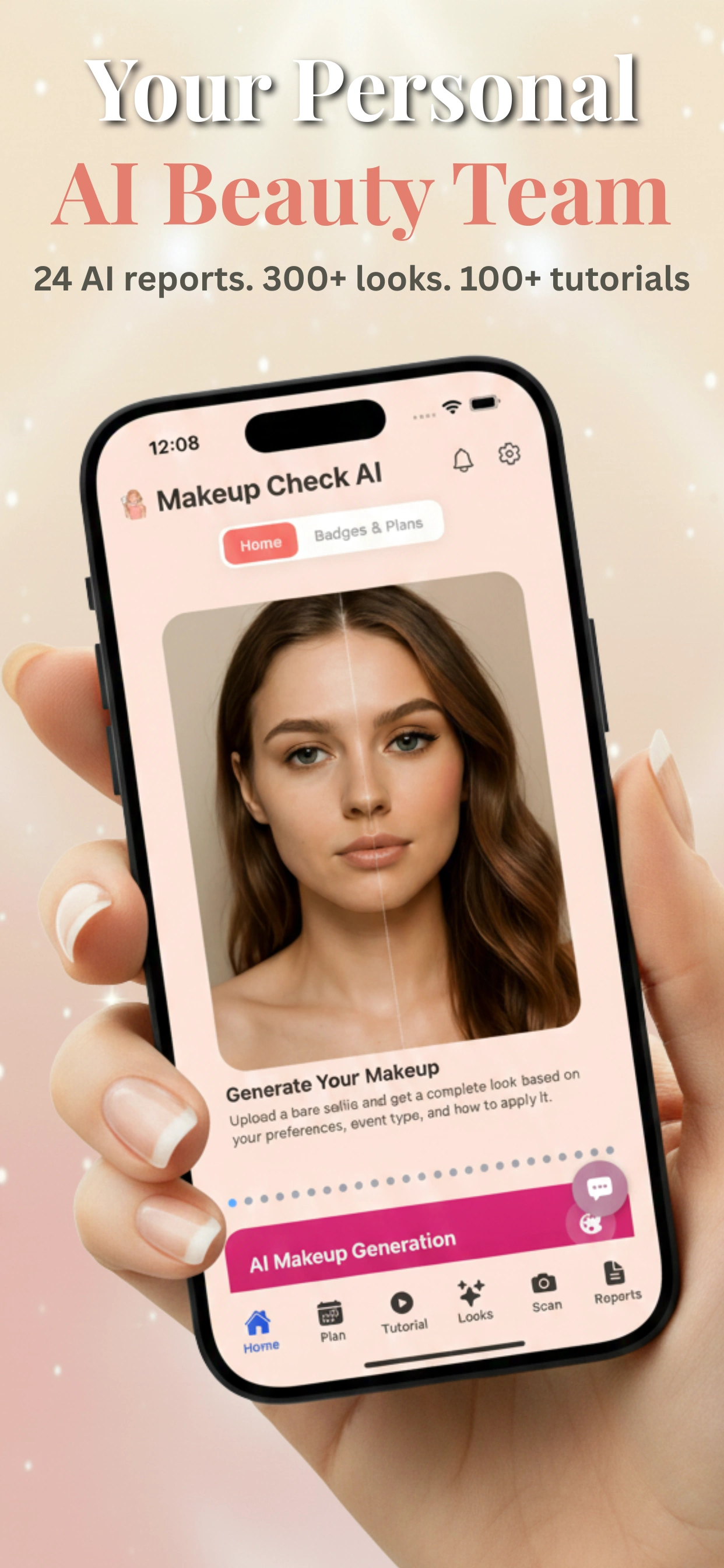
To support your routine with advanced analytics and personalized guidance, explore Makeup Check AI for AI-powered insights on skincare preparation and cosmetic application.
Understanding Mature Skin Challenges
- Fine lines trapping product in creases
- Sagging from collagen loss
- Age spots creating uneven tone
- Under-eye hollows casting shadows
- Nasolabial folds deepening with expression
- Chemo radiation dry skin—barrier damage and extreme dryness
Creases can make lines look deeper, while dry patches absorb powder unevenly and flake. Addressing each concern ensures a smooth, radiant finish.
Skincare Strategies for Mature Skin
Fine Lines Skincare Routine
A targeted routine smooths lines and preps skin for makeup:
- Gentle, sulfate-free cleanser to preserve natural oils
- Humectants (hyaluronic acid, glycerin) to draw in moisture
- Ceramides for barrier repair
- Peptides to support collagen synthesis
- Daily SPF 30+ broad-spectrum to prevent further aging
For more on prepping skin before foundation, see our Skincare Before Makeup Over 40 guide.
Age Spots Routine
Brighten and turn over cells with:
- Vitamin C to even tone and boost glow
- Niacinamide to reduce spot appearance
- Enzyme/peptide boosters for cell renewal
- Antioxidants to fight free radicals
- Glycolic acid (5–10% nightly) to speed turnover
Chemo Radiation Dry Skin Care
Extra soothing and repair:
- Ultra-rich, fragrance-free creams high in ceramides
- Occlusives (squalane, shea butter) to lock in moisture
- No irritants—avoid alcohol, parabens, fragrance
- Calming botanicals (aloe vera, oat extract) for sensitivity
Makeup Application Techniques for Mature Skin
General Principles
- Choose creams over powders for a plumped, dewy look
- Use a hydrating, silicone-free primer if sensitive
- Select buildable liquid foundations with hyaluronic acid or peptides
- Blend gently with a damp sponge or soft brush
Dermatologists note these steps prevent makeup from settling into lines. For step-by-step blending guidance, watch this tutorial:
Nasolabial Folds Makeup
- Apply a cool-toned contour cream 1–2 shades darker
- Sweep under the fold and dab to blend softly
- Use a light-reflecting concealer above the mouth to lift
Under Eye Hollows Makeup
- Prep with a peptide-rich eye cream for moisture
- Apply hydrating, light-reflecting concealer from inner corner to brow bone
- Set sparingly with translucent powder to avoid creasing
- Add a dot of pearlescent highlighter at the inner lower lash line
Sensitive Formulas
Ideal ingredients for sensitive mature skin:
- Hyaluronic acid for deep hydration
- Peptides to support repair
- Ceramides to rebuild the barrier
Avoid sulfates, parabens, and phthalates. Always prep with moisturizer, then primer before foundation.
Product Recommendations & Routine Integration
Key product types and ingredients:
- Hydrating primers with glycerin or squalane
- Silicone-free, light-reflecting concealers
- Buildable liquid foundations enriched with peptides or ceramides
- Cream blushes and bronzers with hyaluronic acid
- Eye creams high in peptides and antioxidants
For deeper coverage tips, see our post on Top Foundations & Concealers for Mature Skin.
Layering sequence for hydration and lasting wear:
- Cleanser
- Serum (hyaluronic acid)
- Moisturizer
- SPF 30+
- Hydrating primer
- Liquid foundation
- Concealer
- Translucent powder (mid-face only)
- Cream blush
- Cream contour
- Eyeshadow & mascara
- Lip color
Final Tips & Conclusion
Key takeaways:
- Hydrate first with a targeted fine lines routine.
- Opt for cream-based cosmetics for a dewy finish.
- Contour and highlight naturally to disguise folds.
- Brighten under-eye hollows with light-reflecting concealer.
- Manage age spots with vitamin C and mild acids.
- Soothe chemo radiation dry skin with ceramide-rich creams.
Conclusion:
By customizing skincare and makeup to mature skin’s needs—focusing on hydration, barrier repair, and light-play techniques—you’ll achieve a smooth, radiant, and confident look.
FAQ
Q: What makeup suits older women best?
A: Hydrating, collagen-boosting creams and liquids free of harsh irritants.
Q: How to prevent foundation from settling into wrinkles?
A: Hydrate, prime, and use liquid foundation with hyaluronic acid to smooth lines.
Q: Tips for softening nasolabial folds with makeup?
A: Apply a cool-toned contour under the folds and blend gently.
Q: How to conceal under eye hollows?
A: Use a brightening concealer along the orbital bone and set lightly.
Q: How to care for chemo radiation dry skin?
A: Apply fragrance-free, ceramide-rich barrier creams twice daily.
Q: How to reduce age spots?
A: Follow an age spots routine with vitamin C, niacinamide, and mild acids consistently.