The Ultimate Guide to Makeup for Mature Skin: Skincare and Application Techniques
Learn effective makeup for mature skin, fine lines skincare routine, and age spots routine to enhance natural beauty and achieve ageless radiance.

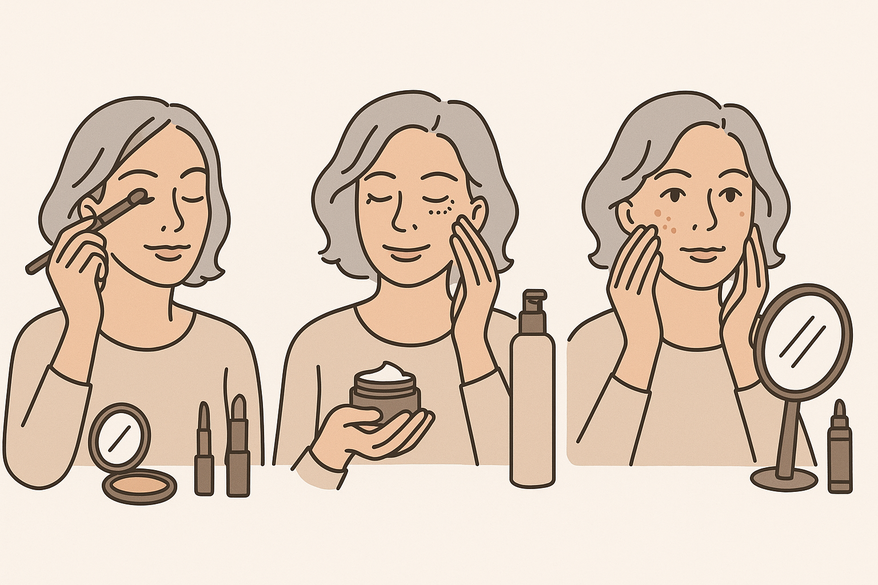
Estimated reading time: 12 minutes
Key Takeaways
- Hydration-First Skincare: Use hyaluronic acid, peptides and lightweight primers to smooth fine lines.
- Strategic Makeup Application: Choose luminous formulas and precise techniques for nasolabial folds and under-eye hollows.
- Sensitive Skin Support: Restore the barrier and avoid irritants for chemo radiation dry skin.
- Age Spot Camouflage: Combine SPF, gentle exfoliation and spot concealing for even tone.
- Consistent Routine: Layer products thoughtfully and allow full absorption to prevent settling.
Table of Contents
- Introduction
- Understanding Mature Skin Concerns
- Fine Lines Skincare Routine
- Nasolabial Folds Makeup Techniques
- Under Eye Hollows Makeup Strategies
- Addressing Chemo Radiation Dry Skin
- Age Spots Routine
- Conclusion
- FAQ
Introduction
As skin ages, it often shows reduced collagen, elasticity and hydration—signs that typically appear after age 40. A tailored approach to makeup for mature skin not only enhances your natural beauty but also minimizes fine lines, dryness and uneven tone. By combining age-defying skincare with strategic application techniques, you can achieve a fresh, vibrant look at any stage of life.
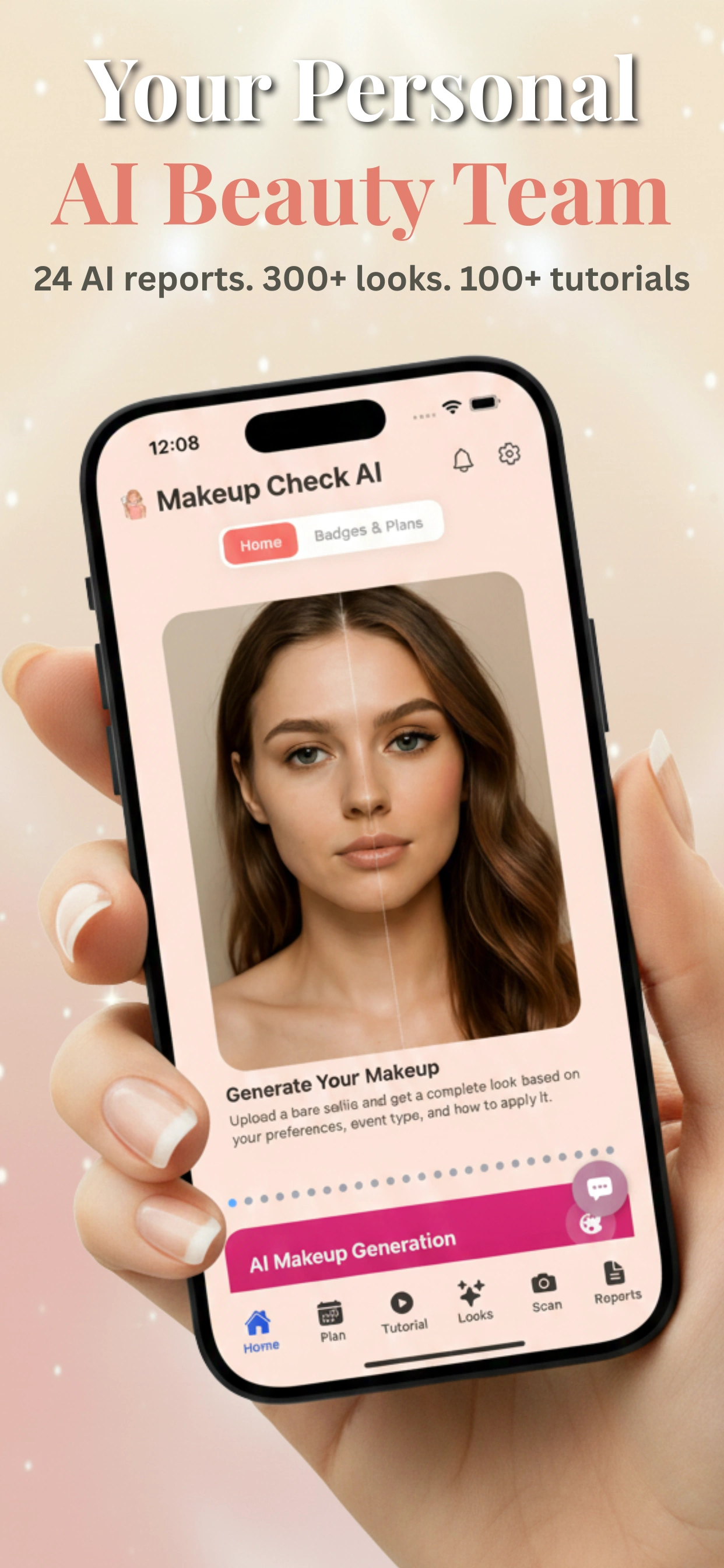
For personalized tutorials that adapt these steps to your face and lighting, try the Makeup Check AI app—it analyzes your skin concerns and offers tailored routines in real time.
Section I: Understanding Mature Skin Concerns
Mature skin is defined by three key characteristics that call for specialized care:
- Fine lines from collagen loss – Repeated facial movements create surface wrinkles (crow’s feet, forehead lines).
- Dryness due to a weakened barrier – Skin barrier lipids decline, causing moisture loss and flakiness.
- Discoloration and age spots from sun exposure – UV damage triggers melanin clusters, leading to brown patches.
Why standard makeup can accentuate texture:
- Matte or heavy foundations settle into lines, making wrinkles appear deeper.
- Powder formulas highlight dryness, emphasizing cracks.
- Silicone-free or oil-stripping products can weaken the barrier further.
Why a hydrating, plumping approach works:
- Hyaluronic acid binds moisture, visibly smoothing fine lines.
- Peptides support natural collagen production and skin firmness.
- Lightweight primers fill creases and create a seamless canvas.
Section II: Fine Lines Skincare Routine
Fine lines are superficial wrinkles that form where expression is frequent—think crow’s feet around the eyes and horizontal forehead creases. To minimize their appearance, follow a gentle, layer-by-layer skincare ritual before makeup application.
- Cleanse
Use a gentle, pH-balanced cleanser that won’t strip oils. Opt for a fragrance-free formula to avoid irritation on mature skin. - Hyaluronic Acid Serum
Choose a 1–2% hyaluronic acid serum to attract moisture into the epidermis. Apply 2–3 drops and press gently until fully absorbed. - Peptide-Infused Moisturizer
Select a lightweight moisturizer loaded with peptides to support collagen. Massage in upward strokes and allow 2–3 minutes for absorption. - Silicone-Polymer Primer
Use a hydrating primer with silicone polymers or micro-fillers to blur lines. Apply a thin layer over the forehead, around the eyes and cheeks.
Absorption Tip: Wait 2–3 minutes between each layer and press products in with your fingertips to preserve delicate skin.
Section III: Nasolabial Folds Makeup Techniques
Prep Reminder: Follow the fine lines skincare routine in Section II. Ensure the area is well-hydrated and primed for smooth coverage.
- Foundation Selection
Pick a lightweight, luminous foundation or tinted moisturizer with buildable coverage. Avoid matte formulas that can accentuate depth. - Cross-Hatch Foundation Application
Use a flat foundation brush to apply product in a light cross-hatch pattern over cheeks and jawline. Blend outward—do not press heavily into the fold. - Light-Reflecting Concealer
Choose a creamy, light-reflecting concealer one shade lighter than your skin. Tap gently above the fold with a dense brush. - Subtle Contour Lift
Sweep a soft, warm-toned bronzer in a gentle “3” shape along the hairline, cheekbones and jawline—avoid the deepest part of the fold. - Powder – Minimal Finish
Dust translucent, finely milled powder only on the T-zone to prevent product settling around folds.
Section IV: Under Eye Hollows Makeup Strategies
- Color Correction
Use a creamy peach or neutralizing stick to counter blue/purple tones. Apply in thin lines under the shadow and pat gently. - Concealing Steps
Select a hydrating, buildable concealer one shade lighter than your skin tone. Pat into the hollow with light pressure. - Blending
Press product with a damp beauty sponge in dabbing motions for a seamless finish. - Setting
Lightly dust micro-fine translucent powder at the outer crease to avoid creasing. - Highlighting
Use a luminous cream on the inner corner and brow bone to open the eye area.
Section V: Addressing Chemo Radiation Dry Skin
A gentle, barrier-restoring routine restores moisture and protects compromised skin.
- Gentle Cleansing
Use a fragrance-free cleansing spray or micellar water. Pat skin dry—never rub. - Soothing Hydrating Mist
Mist liberally with a mineral-rich or coconut-derived spray to calm and prime the skin. - Ultra-Light Moisturizer
Choose a fragrance-free formula with ceramides and squalane and apply generously. - Eye Cream
Use a petrolatum-free, fragrance-free eye cream and pat around the orbital bone.
Makeup Adaptation:
Avoid heavy silicone primers. Use a tinted mineral sunscreen or lightweight tinted moisturizer for sheer coverage and pat on with a damp sponge.
Section VI: Age Spots Routine
- Preventive Skincare
Daily broad-spectrum SPF 30+—tinted sunscreens offer seamless protection and a hint of coverage. - Evening Exfoliation
Use a gentle AHA or polyhydroxy acid 2–3 times weekly to encourage cell turnover. Skip on highly sensitive skin. - Coverage Technique
- Apply a lightweight CC cream or tinted mineral sunscreen for an even base.
- Spot conceal with a buildable, luminous concealer directly on age spots.
- Blend edges with a damp sponge—avoid disturbing intact makeup.
- Finish with a sheer illuminating powder or dewy setting spray.
Conclusion
A comprehensive routine for mature skin starts with deep hydration, barrier-repairing skincare and plumping primers. From fine lines to specialist techniques for folds, hollows, dry skin and age spots, each step creates a smooth, radiant canvas. With consistent care and the right methods, mature skin can look luminous, lifted and truly timeless.
FAQ
- What primer is best for mature skin?
Choose a hydrating silicone-polymer primer with micro-fillers to blur texture and smooth fine lines. - How often should I exfoliate?
For mature skin, 1–2 times weekly with a gentle AHA or polyhydroxy acid to avoid irritation. - Can I use matte foundations?
Opt for lightweight, luminous formulas—matte products can settle into wrinkles and highlight dryness. - How do I prevent age spots?
Daily broad-spectrum SPF and gentle exfoliation are key to preventing and fading hyperpigmentation. - How do I keep under-eye concealer from creasing?
Use a hydrating formula, apply sparingly, press in with a damp sponge and set lightly in the outer crease.