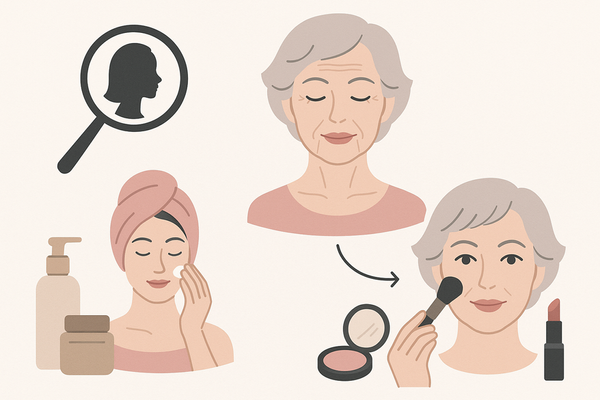
Makeup for Mature Skin: Expert Skincare & Makeup Strategies
Explore expert strategies for makeup and skincare tailored to mature skin. Address fine lines, nasolabial folds, under eye hollows, and chemo radiation dry skin effectively.

Estimated reading time: 8 minutes
Key Takeaways
- Hydration is essential: Begin with serums and moisturizers to plump skin and smooth texture.
- Targeted primers: Fill fine lines and create a leveled canvas for lightweight foundations.
- Cream contours and highlights: Visually soften nasolabial folds and lift cheekbones.
- Brightening concealers: Address under eye hollows with hydrating, satin-finish formulas.
- Barrier support: Manage chemo radiation dry skin with ceramides, occlusives and gentle primers.
- Color correction for age spots: Combine brightening skincare with peach or orange primers.
- Minimal powder: Rely on cream and liquid textures for a natural, youthful finish.
Table of Contents
- Understanding Mature Skin Challenges
- Fine Lines Skincare Routine
- Addressing Nasolabial Folds with Makeup
- Enhancing Under Eye Hollows with Makeup
- Managing Chemo Radiation Dry Skin
- Age Spots Routine
- Integrative Tips & Conclusion
- FAQ
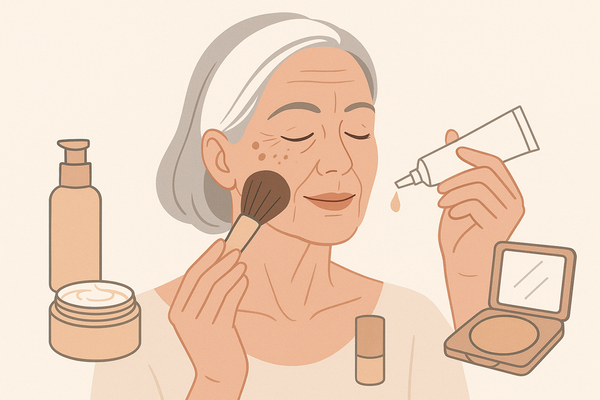
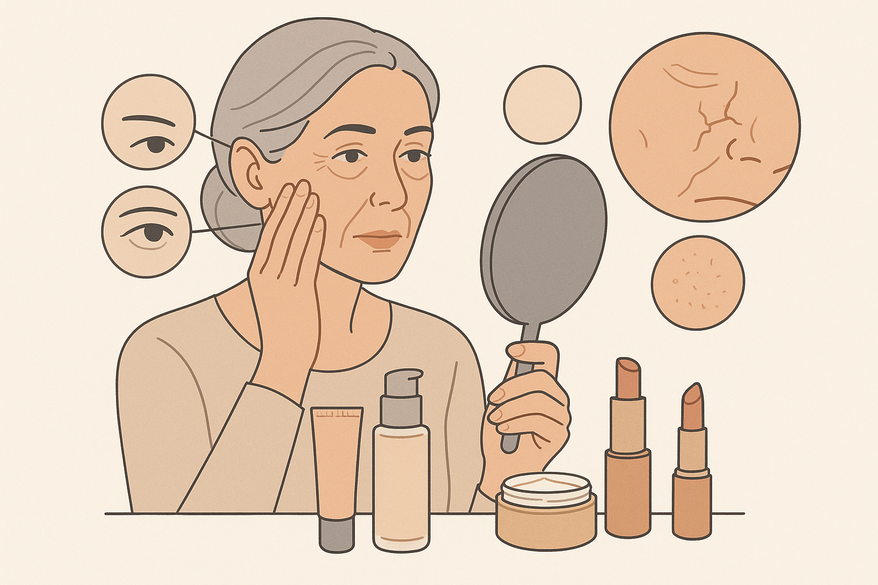
“Mature skin” describes the natural aging process marked by decreased collagen, elasticity and moisture. Proper makeup for mature skin paired with a targeted fine lines skincare routine can transform your daily ritual. Common concerns include fine lines, age spots, nasolabial folds, under eye hollows and chemo radiation dry skin—each demanding unique solutions such as age spots routine, nasolabial folds makeup, under eye hollows makeup and chemo radiation dry skin care. This guide compiles expert-backed tips to hydrate, prep and perfect your canvas for makeup for mature skin.
Understanding Mature Skin Challenges
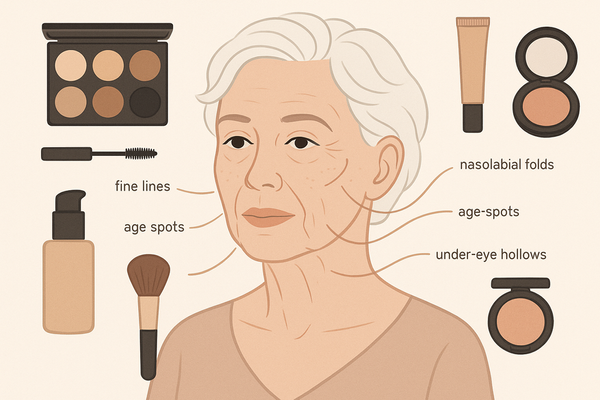
Mature skin undergoes multiple changes that affect texture, tone and hydration. Standard makeup can settle into creases or emphasize unevenness, so a strategic prep and application protocol is crucial for a flawless finish.
- Fine lines: Superficial wrinkles under 1 mm deep around the eyes and mouth.
- Age spots: Flat, hyperpigmented patches from UV exposure or genetics.
- Nasolabial folds: Creases running from the nose to mouth corners.
- Under eye hollows: Sunken, shadowed areas beneath the orbital bone.
- Chemo radiation dry skin: Barrier-compromised, highly sensitive skin prone to extreme dryness and flaking.
Why standard makeup can accentuate aging:
- Powder foundations and matte formulas can cling to rough patches, worsening texture.
- Heavy coverage products often sink into wrinkles, making fine lines more visible.
- Lack of hydration preps causes creasing around nasolabial folds and under eye hollows.
- Chemo radiation dry skin needs barrier-supporting ingredients to prevent irritation under makeup.
Fine Lines Skincare Routine
Superficial wrinkles trap product, causing uneven makeup for mature skin. Follow this targeted fine lines skincare routine to plump and smooth. For a deeper dive into prepping skin over 40, see our guide to Skincare Before Makeup Over 40.
- Hydrating Serum: Use a hyaluronic acid serum at 1–2% concentration to draw moisture into the epidermis. Pat 3–5 drops over clean skin, wait 60 seconds to absorb.
- Moisturizer with Ceramides: Choose a cream rich in ceramides to reinforce the skin barrier. Apply in gentle, upward strokes; allow 2 minutes to set before primer.
- Hydrating Primer: Select a primer with silicones or hydrating polymers and light-reflecting particles to fill fine lines. Smooth over wrinkle-prone areas with a pea-sized amount.
Why it works:
- Hyaluronic acid boosts moisture levels for plumper, smoother skin.
- Ceramides repair and strengthen barrier function, preventing flaking.
- Hydrating primers create a leveled surface for lightweight, liquid foundations that won’t sink into wrinkles—essential for effective makeup for mature skin.
Addressing Nasolabial Folds with Makeup
Nasolabial folds—creases from nose to mouth—cast shadows that age the face. This nasolabial folds makeup technique softens them visually. For foundation and concealer picks over 40, check Makeup for Mature Skin: Top Foundations and Concealers for 40+.
- Cream Contour: Use a cool-toned cream bronzer two shades deeper than your skin. Draw a thin line along each fold, blend outward.
- Highlight & Lift: Apply a luminous cream highlighter to the cheekbone’s highest point. Blend upward toward the temple to lift.
- Setting Tip: Finish with a sheer dusting of finely milled translucent powder in the T-zone only to avoid buildup in folds.
Enhancing Under Eye Hollows with Makeup
Under eye hollows create a sunken, tired look. Targeted under eye hollows makeup brightens and lifts.
- Eye Cream Prep: Pat on a lightweight eye cream containing peptides or hyaluronic acid. Allow 1 minute to absorb.
- Targeted Concealer: Choose a hydrating, satin-finish concealer one shade lighter. Apply in an inverted triangle under the eye and press in.
- Light Setting: Lightly set only the outer triangle of the concealer with translucent powder on a damp sponge.
Managing Chemo Radiation Dry Skin
Chemo radiation dry skin is extremely sensitive, dehydrated and barrier-compromised. A nurturing protocol prevents makeup mishaps and discomfort.
Hydration-First Routine: Layer hyaluronic acid serum, ceramide-rich moisturizer and seal with an occlusive balm. Opt for silicone-free, hydrating gel primers or skip primer if reactive. Choose serum-based foundations with glycerin or squalane. Reapply facial mist over makeup throughout the day.
- Avoid matte powders and alcohol-based sprays that strip moisture.
- Use cream or liquid blush and bronzer for a dewy, healthy look.
Age Spots Routine
Age spots compromise even skin tone. This age spots routine combines brightening skincare with targeted color correction.
- Morning: Vitamin C serum (10–20%) + SPF 30+.
- Evening: Niacinamide (5%) or low-strength AHA for cell turnover.
- Color-Correcting Primer: Peach-to-orange corrector for deeper spots; bisque for lighter skin. Blend gently.
- Foundation & Concealer: Lightweight liquid foundation in thin layers; pat on full-coverage concealer only on spots. Set sparingly.
For tailored, AI-powered insights into your unique skin concerns, consider the AI Makeup App—it delivers personalized beauty plans and daily reminders to track your progress.
Integrative Tips & Conclusion
By uniting skincare and makeup strategies, you can master makeup for mature skin with confidence. Core themes:
- Hydration first: serums, ceramides and moisturizers before makeup.
- Smart primers: fill lines and smooth texture with hydrating formulas.
- Cream & liquid textures: avoid heavy powders for a natural finish.
- Gentle tools: damp sponges, fingers or soft brushes for subtle blending.
- Restrained setting: limit powder to hot spots; avoid lines and hollows.
Quick reminders:
- Fine lines: hydrate + primer for plump base.
- Nasolabial folds: cream contour & highlight to soften.
- Under eye hollows: eye cream + precise concealer.
- Chemo radiation dry skin: ultra-nourishing, barrier-supporting formulas.
- Age spots: brightening skincare + corrector primer.
Adapt and experiment with these expert-backed steps to discover your ideal mature skin ritual. Consistency in your fine lines skincare routine, nasolabial folds makeup, under eye hollows makeup, chemo radiation dry skin care and age spots routine will result in a smoother, brighter and more youthful canvas every day.
FAQ
Q: How do I choose the right primer for mature skin?
A: Look for hydrating primers with silicones or light-reflecting polymers to fill fine lines and create a smooth base.
Q: Can I use powder foundation on mature skin?
A: It's best to favor cream or liquid formulas, as powders can settle into wrinkles and emphasize texture.
Q: How often should I update my age spots routine?
A: Incorporate brightening serums and AHAs into your morning and evening routines consistently, and adjust concentrations every few months based on skin tolerance.
Q: Is it safe to apply makeup during chemo radiation treatment?
A: Yes, if you follow a barrier-supporting hydration-first approach, avoid irritants, and choose gentle, serum-based foundations.