Makeup for Mature Skin: Skincare and Makeup Strategies
Discover makeup for mature skin strategies to smooth fine lines, brighten age spots, and enhance your natural beauty with tailored skincare solutions.

Estimated reading time: 10 minutes
Key Takeaways
- Hydration-first routines smooth fine lines and prep skin for flawless application.
- Targeted age spot treatments—vitamin C, tinted moisturizers, and precise concealing—brighten hyperpigmentation.
- Cream-based, light-diffusing products and strategic highlighting camouflage nasolabial folds.
- Color correction plus hydrating concealers lift and brighten under-eye hollows without creasing.
- Chemo-radiation dry skin care focuses on barrier repair with gentle, dewy coverage.
- Integrating skincare and makeup yields longer wear, natural radiance, and boosted confidence.
Table of Contents
- Understanding Mature Skin
- Skincare Routine for Mature Skin
- Makeup Techniques for Specific Concerns
- Addressing Unique Skin Conditions
- Integrating Skincare and Makeup for Optimal Results
- FAQ
Understanding Mature Skin
Defining Mature Skin
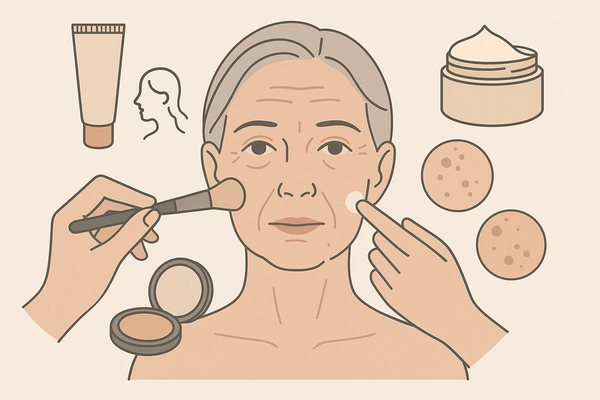
- Mature skin typically refers to skin over age 40–50, marked by reduced collagen, dryness, fine lines, and uneven tone.
- Hormonal shifts and slower cell turnover contribute to hyperpigmentation, commonly called “age spots.”
Why Mature Skin Needs Special Care
- Moisture loss accentuates texture; creamy, hydrating, dewy formulas prevent products from settling into lines.
- Light-diffusing ingredients reflect a youthful glow, making skin appear plumper.
Comparing Younger vs. Mature Skin
- Younger skin tolerates powders and mattes; mature skin thrives on moisture-rich, luminous finishes.
- Hydration and gentle texture-blurring are priorities to minimize creasing under makeup.
Skincare Routine for Mature Skin
A robust foundation focuses on deep hydration, gentle exfoliation, antioxidants, and daily sun protection—ensuring makeup sits seamlessly and stays put.
Fine Lines Skincare Routine
Fine lines are shallow wrinkles from collagen decline and moisture loss, often around eyes, mouth, and forehead.
- Hydrating Mist or Toner – A hyaluronic-acid mist instantly plumps skin.
- Antioxidant Serum – Use a lightweight formula to neutralize free radicals and boost elasticity.
- Moisture Cream – Lock in hydration with a rich, nourishing cream.
- SPF Moisturizer – Protect against UV-driven collagen breakdown.
Tip: Allow each layer to absorb fully and use gentle circular massage for better uptake.
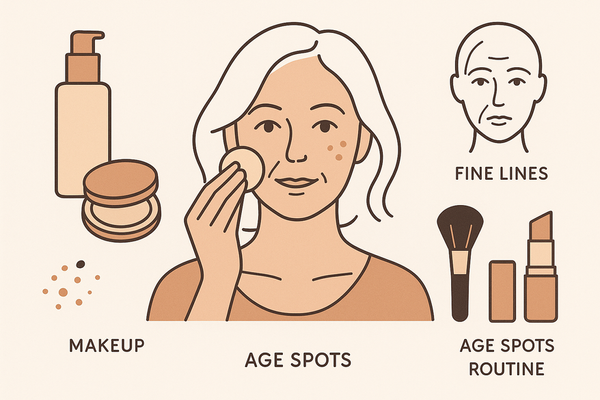
Age Spots Routine
Age spots are hyperpigmented patches from sun exposure and slower cell renewal, appearing on cheeks, hands, and other sun-exposed areas.
- Morning Vitamin C Serum – Brightens skin and inhibits new melanin formation.
- Tinted Moisturizer or CC Cream – Provides light, even coverage with niacinamide or peptides.
- Targeted Brightening Concealer – Dab a thin layer on spots, blending edges to avoid heaviness.
- Midday Sunscreen Reapplication – Mineral sunscreen or SPF mist prevents new pigmentation.
Tip: Layer products thinly and use a small brush for precise concealer application.
Makeup Techniques for Specific Concerns
Nasolabial Folds Makeup
Nasolabial folds run from the nose sides to mouth corners and deepen as facial fat shifts.
- Creamy Contour: Apply a light-diffusing putty bronzer along cheekbones, blending outward—avoid the fold itself.
- Strategic Highlight: Use a dewy primer or liquid highlighter on the top of the cheekbone to lift the mid-face.
- Product Choice: Cream formulas keep lines smooth; avoid powders that settle into creases.
Quick Tip: Blend with a damp sponge using gentle, upward motions to prevent dragging.
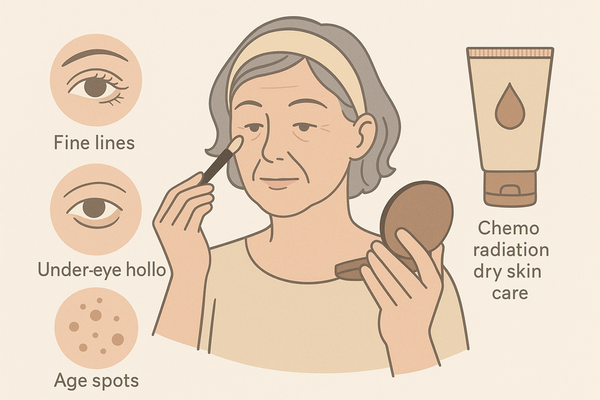
Under Eye Hollows Makeup
Under-eye hollows cast shadows and can make you look tired; they result from thinning skin and fat loss.
- Color-Correct: Pat a peach or salmon corrector into hollows to neutralize dark tones.
- Creamy Concealer: Layer a hydrating, full-coverage concealer over the corrector and tap with a damp sponge.
- Minimal Powder: Dust translucent powder only on the T-zone; leave under eyes dewy to prevent creasing.
Quick Tip: Apply concealer in a small triangle under the eyes to brighten and lift.
Addressing Unique Skin Conditions
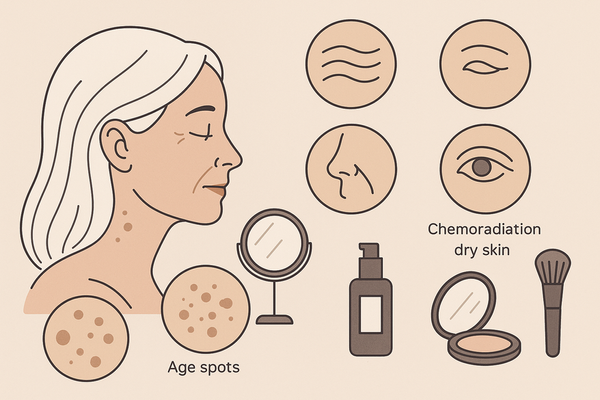
Chemo Radiation Dry Skin
Cancer treatments can strip moisture, leaving skin tight, flaky, and sensitive with a compromised barrier.
- Gentle Hydrating Serum: Use formulas with ceramides or hyaluronic acid for moisture restoration.
- Fragrance-Free Creams: Opt for peptide-rich, fragrance-free creams to repair the barrier.
- Minimalist Makeup: Mix a drop of dewy skin tint with extra moisturizer for comfort and minimal coverage.
- Application Tools: Clean fingertips or ultra-soft brushes reduce friction and irritation.
Tip: Prioritize soothing and protecting the barrier over concealing every imperfection.
Integrating Skincare and Makeup for Optimal Results
A well-hydrated, prepped canvas allows makeup to glide on, blend seamlessly, and last all day.
- Hydration + Lightweight Formulas: Moisture locks makeup in place, preventing midday patchiness.
- Enhanced Radiance: Dewy primers and highlighters shine brightest on a plump, even surface.
- Confidence Boost: When makeup sits smoothly, you look refreshed and feel uplifted.
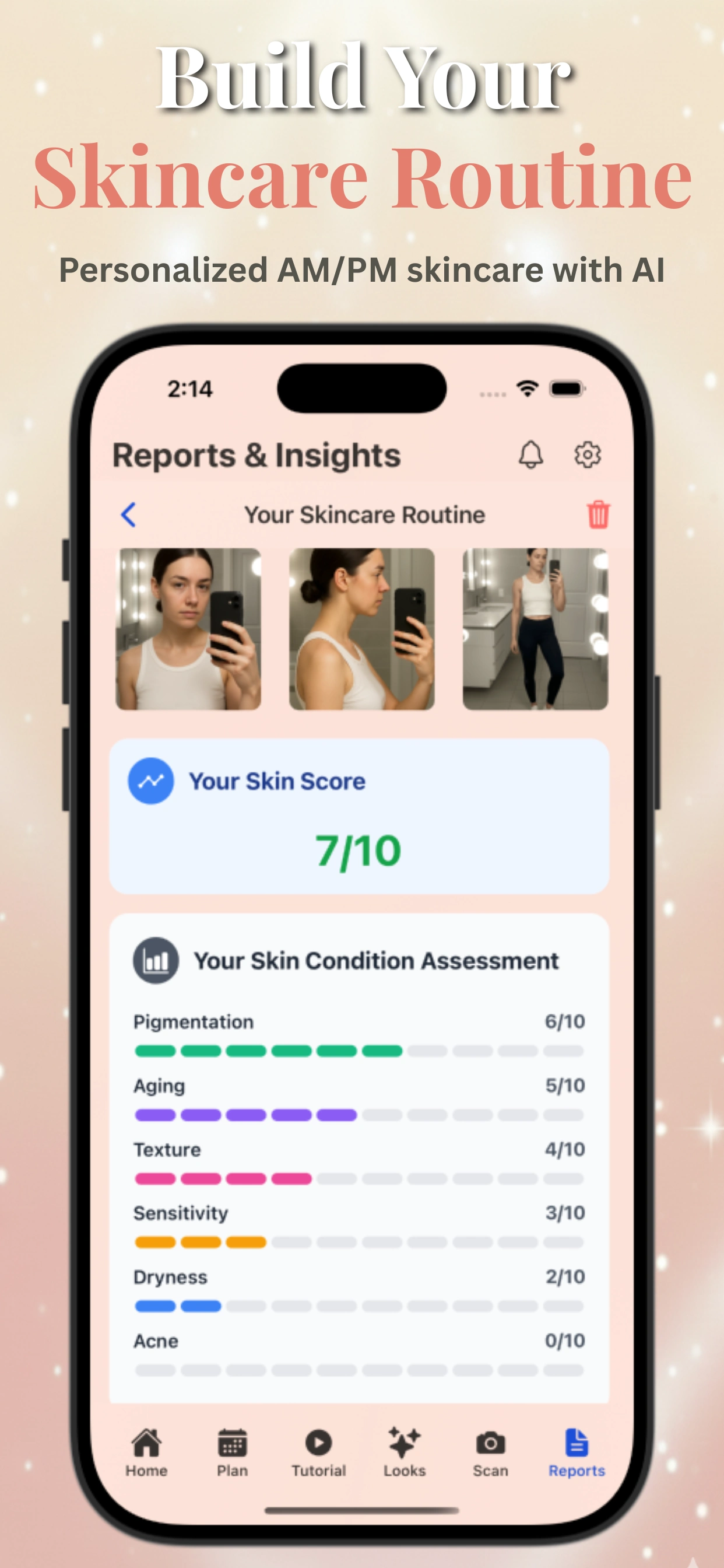
For personalized plans and technique analysis, try Makeup Check AI.
Expert Tip: Blend foundation with a hydrating serum for extra slip and glow—a “skintervention” mixer.
FAQ
- What is the best skincare routine for mature skin?
Focus on hydration, gentle exfoliation, antioxidants, and daily SPF to smooth texture and extend makeup wear. - How can I reduce the appearance of fine lines with makeup?
Prep with hyaluronic acid, use light-diffusing primers and cream foundations, and blend with a damp sponge. - Which products work best for covering age spots?
A morning vitamin C serum, tinted moisturizer, targeted brightening concealer, and regular SPF reapplication. - How do I prevent under-eye concealer from creasing?
Color-correct first, apply a hydrating concealer in a small triangle, and avoid powder under the eyes. - How should I care for chemo radiation dry skin?
Use fragrance-free, peptide-rich creams, gentle serums, and lightweight, dewy coverage applied with soft tools.