Unlocking Health and Makeup Connectivity with AI: The Future of Personalized Beauty & Wellness
Discover how AI is revolutionizing health and makeup connectivity, enabling personalized beauty and wellness through data-driven skincare and cosmetic solutions.
Estimated reading time: 8 minutes
Key Takeaways
- AI transforms makeup into a dynamic, health-informed layer that adapts to skin metrics.
- Real-time diagnostics from wearables and smart mirrors power personalized cosmetics.
- Virtual try-on, computer vision, and generative engines redefine shade matching and formulations.
- Brands must balance cutting-edge innovation with ethics, privacy, and inclusivity.
Table of Contents
- Introduction
- The Evolution of Health and Makeup Connectivity with AI
- AI Applications in Health
- AI Applications in Makeup
- Bridging Health and Makeup Through AI
- Case Studies & Industry Examples
- Future Trends & Considerations
- Conclusion
- FAQ
Introduction
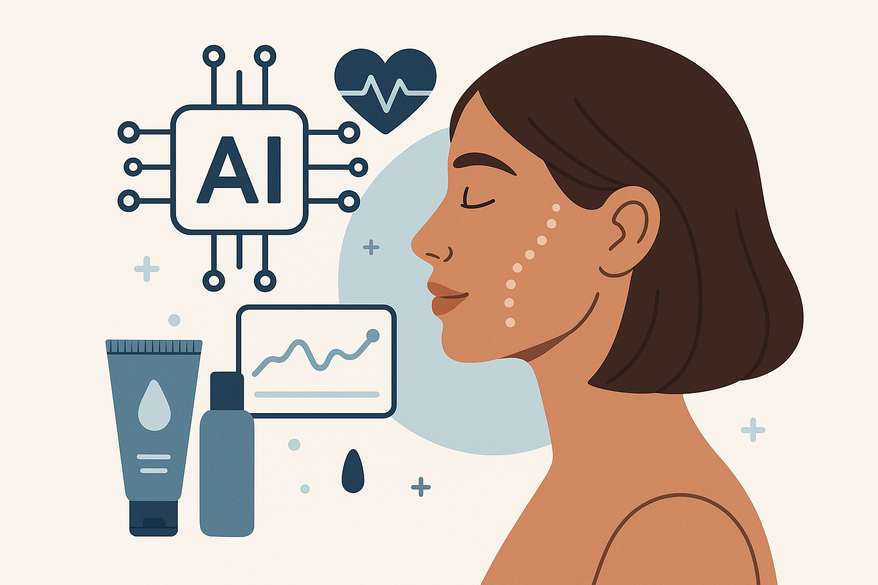
Health and makeup connectivity with AI integrates skin-health data (hydration, UV damage, hormonal balance) with personalized cosmetics (shade matching, skincare-infused formulas). Gone are static palettes: AI turns makeup into a responsive, health-driven layer that evolves with your skin. Smart wearables and apps have trained consumers to expect data-driven personalization in every aspect of life—including beauty.
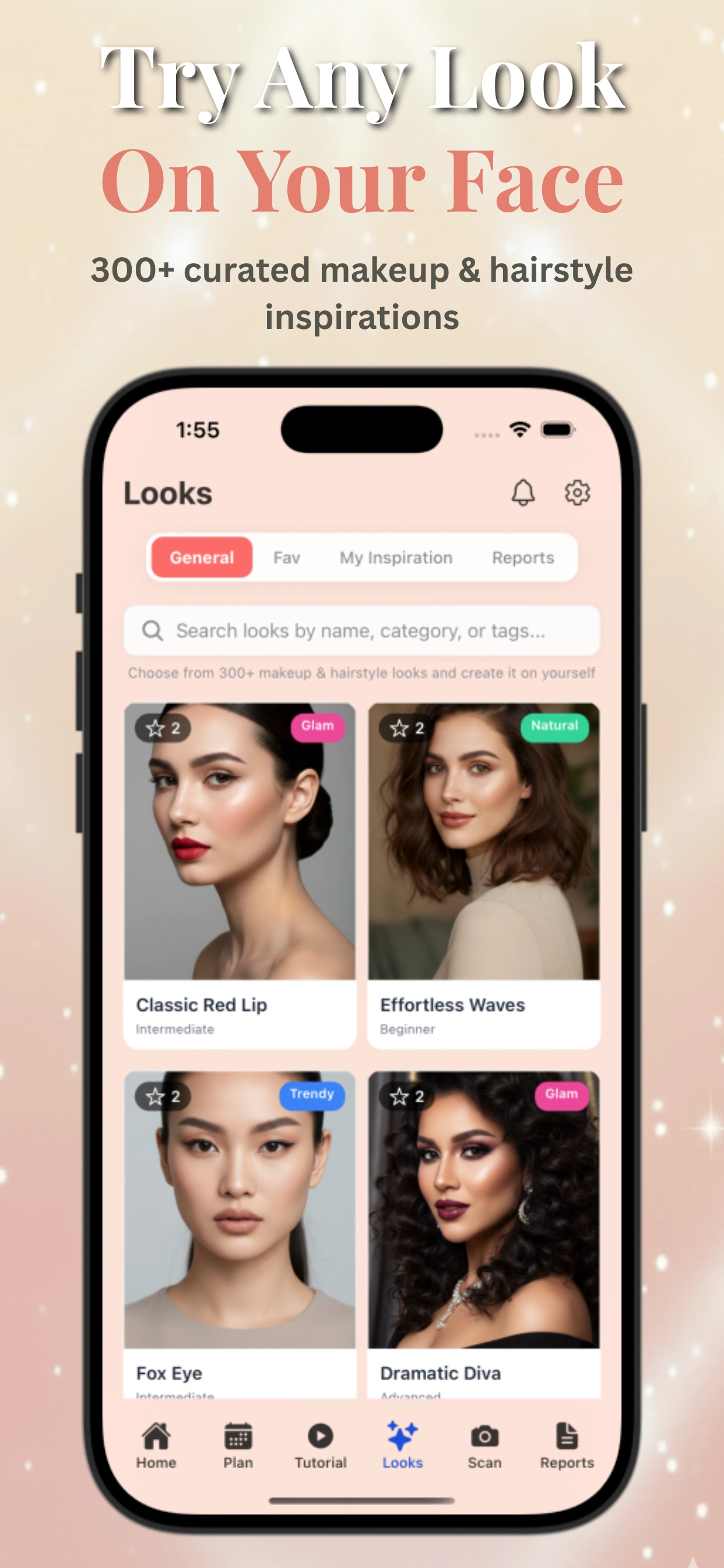
For example, Makeup Check AI offers AI-powered skin analysis, virtual try-ons, and tailored regimen planning.
With telehealth, fitness trackers, and personalized nutrition raising the bar for customization, AI-driven skin and beauty integration now uses facial scans and health metrics to deliver precise cosmetic and skincare recommendations. Consumers expect their beauty routine to be as smart as their smartwatch.
The Evolution of Health and Makeup Connectivity with AI
AI Advancements in Healthcare and Cosmetics
What began as basic image recognition has blossomed into deep-learning models that analyze complex biological data. In healthcare, AI assists with disease screening, drug discovery, and personalized treatment plans. In dermatology, algorithms can detect melanoma or predict photoaging from facial scans.
- Predictive formulations tailored to individual skin types
- Simulations of ingredient interactions via biochemical modeling
- Real-time skin analysis through mobile apps and smart mirrors
Historical Background
Both makeup and health monitoring have evolved dramatically over centuries:
- Victorian era: Pale skin symbolized wealth and indoor leisure
- 20th century: Sun-kissed glow signaled health and outdoor life
- Modern day: Makeup-skincare hybrids blend aesthetics with care
Meanwhile, health checks moved from manual exams to sophisticated wearables:
- Early stethoscopes and visual inspections
- Heart-rate monitors and sleep trackers
- Non-invasive skin sensors for hydration and UV exposure
Integration Reshaping Both Sectors
Today, the lines between health and beauty blur:
- In-store kiosks with consumer skin scanners
- Smart mirrors offering diagnostics and AR try-ons in clinics
- Makeup formulated as preventive skincare
This fusion marks a new era of personalized, data-driven care where beauty routines inform health insights and vice versa.
AI Applications in Health
Personalized Skincare and Health Monitoring
AI-driven personalization taps into multiple data streams:
- Selfies capture texture, pores, and pigmentation
- Environmental sensors track UV, pollution, humidity
- Lifestyle logs record sleep, diet, and stress
- Genetics and microbiome tests reveal predispositions
Example: Haut.AI’s phygital Skin AI analyzes selfies to detect 100+ skin markers, then suggests a regimen of topical skincare and supplements based on real-world conditions.
AI-Driven Diagnostics and Treatment Recommendations
Trained on vast dermatology datasets, AI models can:
- Identify acne, rosacea, eczema, and photoaging early
- Predict skin’s response to ingredients like retinol or hyaluronic acid
- Recommend targeted treatments—topicals, supplements, lifestyle changes
Wearables & Apps for Beauty-Related Health Metrics
Modern wearables and companion apps monitor metrics that matter for beauty:
- Sleep quality and circadian rhythms (linked to under-eye circles)
- Hydration alerts and water-intake reminders
- UV-exposure warnings and sun-protection tips
- Stress markers via heart rate variability (HRV)
For instance, Oura Ring and L’Oréal partnered to offer night-time serum recommendations based on sleep data, adjusting formulas to boost skin repair during rest.
AI Applications in Makeup
Virtual Makeup Try-On Technology
AR mirrors and smartphone apps use computer vision and facial landmark mapping to render cosmetics virtually:
- L’Oréal’s ModiFace maps lips, eyes, and contours under varied lighting
- Sephora Virtual Artist offers foundation and lipstick shade-matching
- Ulta’s GLAMlab reduces returns and boosts confidence
For an in-depth look at AR try-on, explore detailed insights on these transformative tools.
AI-Powered Recommendations & Customization
AI engines analyze user behavior, purchase history, and skin data to:
- Suggest complete looks—foundation, blush, lip color
- Dispense on-demand formulations via devices like L’Oréal Perso
- Adapt recommendations over time through feedback loops
L’Oréal Perso, for example, scans skin and factors in environment and diet before dispensing a tailored foundation or lipstick blend.
Computer Vision for Skin Tone & Need Identification
Advanced vision algorithms classify:
- Fitzpatrick skin scale and undertones (learn more in the foundation shade match online guide)
- Regions of redness, dryness, or excess oil
- Texture issues like fine lines or enlarged pores
This context-aware AI suggests hydrating or matte formulas based on real-time skin analysis, ensuring shade accuracy and optimal product choice.
Bridging Health and Makeup Through AI
AI creates a seamless loop between internal health and external looks:
- High stress triggers a color-correcting primer plus calming skincare step
- Dehydration alerts lead to a hydrating foundation and serum primer
Wearable and app data continually refine makeup formulas, delivering ongoing improvements in both skin health and appearance.
Case Studies & Industry Examples
L’Oréal × ModiFace / Perso
• AR try-ons and skin analysis via ModiFace.
• Perso adapts formulas based on skin scans, environment, and feedback.
• This fusion exemplifies health and makeup connectivity with AI.
Future Trends & Considerations
Emerging trends include:
- Generative AI for rapid virtual formulation
- Real-time clinical testing with biomarker monitoring
- Emotional sensing for mood-adaptive makeup
- Sustainable on-demand production
Conclusion
AI is uniting health and makeup into a responsive, data-driven ecosystem where skin health guides every beauty decision. As innovation accelerates, brands and consumers must balance cutting-edge solutions with ethics, inclusivity, and privacy. Embrace AI-powered skin analysis apps, explore virtual try-on tools, and connect your favorite wearable with your beauty routine.
FAQ
- What is health and makeup connectivity with AI?
It’s the integration of AI-driven skin diagnostics and personalized cosmetics that adapt in real time to health metrics. - How do AI-powered virtual try-ons work?
Computer vision and AR map facial landmarks to render realistic makeup looks under varied lighting. - Are my personal health data secure?
Leading platforms use encryption and strict privacy controls to protect sensitive skin health and lifestyle information.