Constructive Makeup Critique: Driving Growth in Your Beauty Journey
Discover the power of constructive makeup critique to enhance your beauty skills. Learn how to ask for feedback, share looks, and engage positively in the community.

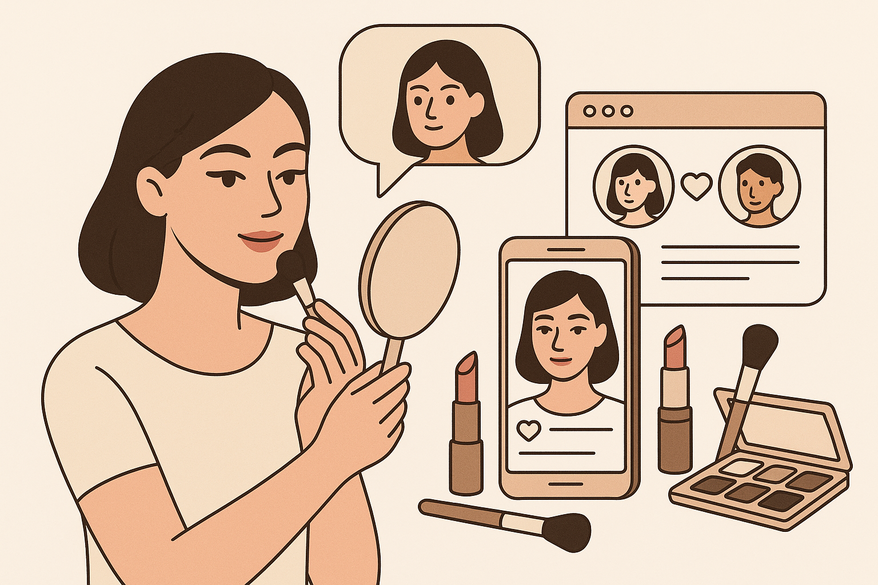
Estimated reading time: 6 minutes
Key Takeaways
- Actionable feedback: Focus on specific, observable elements rather than personal remarks.
- Precision matters: Ask about blending, edge sharpness, color harmony to get detailed tips.
- Etiquette and tone: Offer suggestions with tact, positivity, and clarify your expertise level.
- Showcase variety: Posting multiple looks with clear captions prompts richer discussion.
- Use AI tools: Platforms like Makeup Check AI and peer forums amplify insights.
Table of Contents
- What is Constructive Makeup Critique?
- How to Ask Makeup Feedback
- Poor vs. Strong Request Examples
- Post Multiple Makeup Looks
- Makeup Community Etiquette & Nonjudgmental Discussion
- r/makeupai Feedback
- Enhance Your Critique with Makeup Check AI
- Conclusion
What is Constructive Makeup Critique?
Constructive makeup critique zeroes in on specific, observable aspects—edge sharpness, color harmony, brush technique—highlighting strengths while suggesting clear improvements. Unlike insults that simply belittle, this feedback empowers artists and enthusiasts to refine their craft and grow.
By inviting honest, focused input, creatives avoid repeated mistakes and keep evolving. For data-driven insights, explore Revolutionizing Your Routine with an AI Makeup App: The Ultimate Digital Makeup Artist.
Sharing your work with a request for constructive feedback helps you:
- Refine personal style through targeted suggestions
- Reveal blind spots to foster skill development
- Build supportive networks where peers celebrate successes and offer enhancements
How to Ask Makeup Feedback
Specificity is the cornerstone of effective critique. Replace vague prompts with focused questions—eye symmetry, contour placement, color choices—to invite technique-based responses.
Key Dos and Don’ts
Dos:
- Be open-minded: welcome all levels of observation
- Specify areas: mention blending, skin tone matching, edge crispness
- Thank responders: a simple “thanks for your tip on blending!” encourages more input
Don’ts:
- Avoid defensiveness: critique refines skill, not your self-worth
- Don’t ignore suggestions: they reveal valuable blind spots
- Separate you from your look: feedback targets technique, not identity
Poor vs. Strong Request Examples
• Poor ask: “Rate my makeup.”
– Outcome: “Looks nice!” or “Not great.” These replies lack actionable steps.
• Strong ask: “How can I blend my crease better for a smokier effect?”
– Outcome: “Use a fluffy brush in windshield-wiper motions, then buff edges with a clean pencil brush for softness.”
Post Multiple Makeup Looks
Grouping several looks in one post showcases range, tracks progress, and sparks deeper dialogue. Use themed carousels—“natural vs. glam” or “day to evening”—with clear captions under each image. For more practice cases, visit Rate My Makeup Online: Your Guide to AI Beauty Rating & Makeup Scoring Tools.
Makeup Community Etiquette & Nonjudgmental Discussion
Good etiquette means offering feedback with tact, backing comments with reasons, and clarifying whether you’re a peer learner or professional. Instead of “Your edges look rough,” try “Your edges could read softer—use a clean, fluffy brush after initial blending.”
Focus on techniques and outcomes, not personal traits. This inclusive approach motivates learners and maintains a supportive atmosphere.
r/makeupai Feedback
On r/makeupai, members share AI-generated and user-uploaded looks to solicit peer reviews on color theory, brush selection, and application hacks. Side-by-side visuals and step-by-step commentary bridge technology and artistry.
Enhance Your Critique with Makeup Check AI
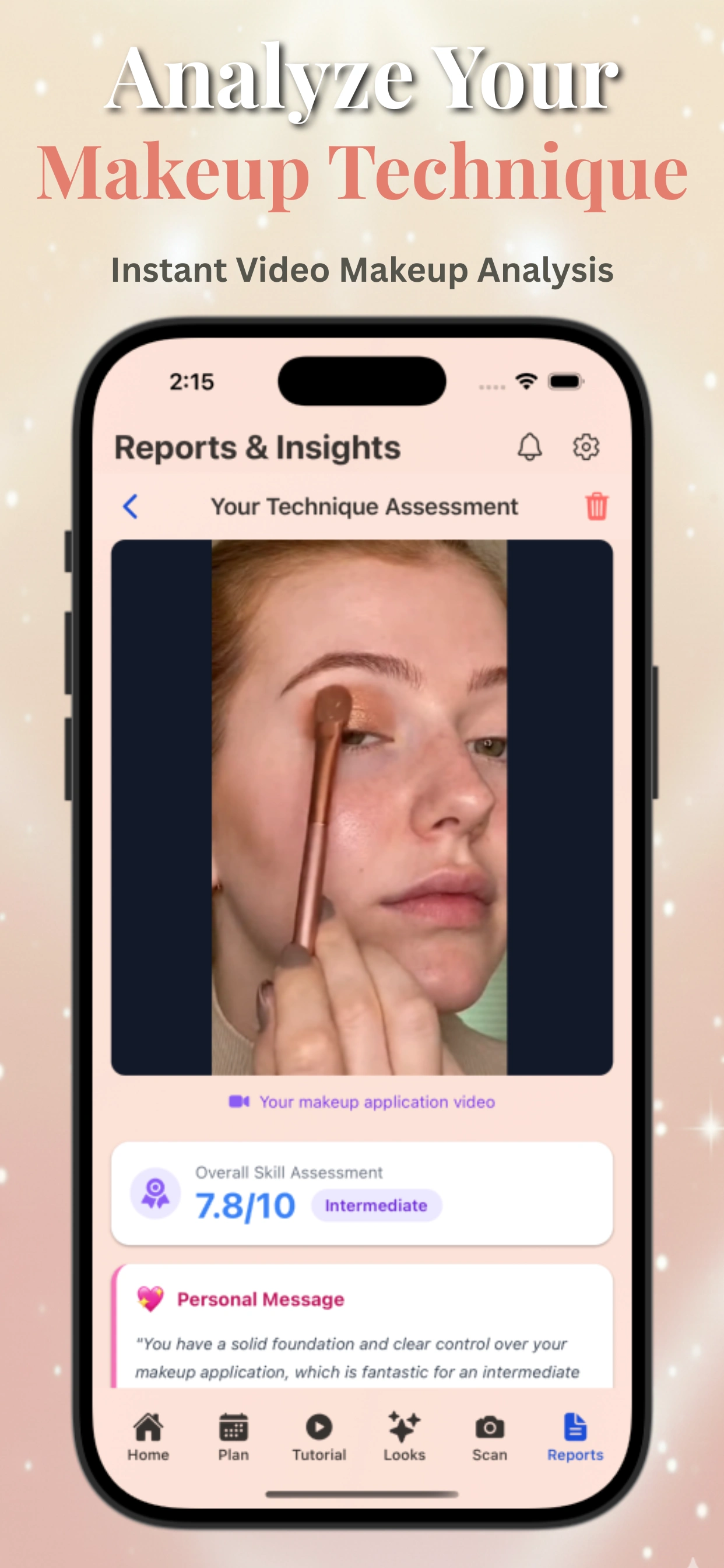
For an extra layer of feedback, Makeup Check AI analyzes photos and videos to generate detailed beauty reports, highlighting edge precision, color harmony, and blending techniques with 24 customizable insights.
Conclusion
Constructive makeup critique elevates every artist’s journey. By emphasizing specificity, positivity, tact, and openness, you foster skills and confidence together. Remember to:
- Ask precise, technique-focused questions
- Share multiple looks with clear captions
- Follow community etiquette—explain suggestions, avoid personal judgments
- Use platforms like r/makeupai and AI tools for iterative refinement
FAQ
What is constructive makeup critique?
It’s focused feedback on specific aspects of a look—like blending or color harmony—that suggests actionable improvements rather than personal judgments.
How do I ask for detailed feedback?
Frame questions around precise elements (e.g., edge sharpness, symmetry) to invite technique-based responses instead of generic praise.
Why post multiple looks at once?
Displaying several styles demonstrates range, tracks progress, and encourages richer, comparative feedback from your peers.
Can AI tools really help improve my skills?
Yes. AI platforms like Makeup Check AI analyze your work with data-driven insights, supplementing human feedback for a well-rounded critique.