AI Sustainable Beauty Practices: Revolutionizing Eco-Friendly Beauty
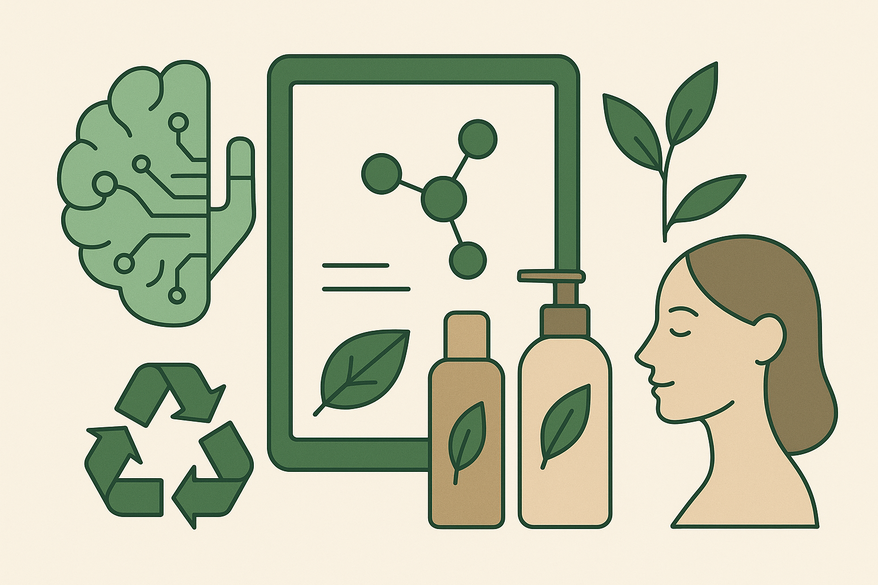
AI sustainable beauty practices are transforming eco-friendly beauty with data-driven solutions for formulation, packaging, and consumer personalization.

Estimated reading time: 6 minutes
Key Takeaways
- AI-driven tools are transforming product formulation, ingredient sourcing, supply chains, and packaging to reduce environmental impact.
- Virtual testing, predictive analytics, and hyper-personalization minimize waste and optimize resource efficiency.
- AR try-ons and AI diagnostics support conscious consumption and lower trial-and-error discard.
- AI-enabled traceability and logistics algorithms improve transparency and cut carbon emissions.
- Future innovations include end-to-end sustainability platforms, advanced green chemistry, and smarter circular packaging.
Table of Contents
- Defining AI and Sustainable Beauty Practices
- How AI Is Driving Sustainability in the Beauty Industry
- Packaging and Circularity
- Benefits of AI in Sustainable Beauty
- Challenges and Considerations
- Future Trends in AI and Sustainable Beauty Practices
Defining AI and Sustainable Beauty Practices
AI and sustainability converge to reshape beauty routines and corporate strategies. By harnessing machine learning and green methodologies, brands can innovate responsibly at every stage of the lifecycle.
What is Artificial Intelligence in Beauty?
AI uses algorithms—such as computer vision, natural language processing, and predictive analytics—to analyze vast datasets (skin imagery, ingredient libraries, logistics metrics), simulate lab tests, forecast trends, and deliver personalized product recommendations.
What are Sustainable Beauty Practices?
Sustainable beauty emphasizes waste reduction, energy and water conservation, ethical sourcing, minimal packaging, and full transparency to ensure products leave a lighter footprint.
Synergy of AI and Sustainability
- Virtual formula testing: Simulate thousands of blends digitally to cut lab waste and accelerate R&D.
- Ingredient impact analysis: Machine learning identifies low-impact, traceable, or upcycled inputs.
- Demand forecasting: Align production with real consumer demand to prevent overproduction.
How AI Is Driving Sustainability in the Beauty Industry
AI is embedded across the beauty value chain, empowering eco-friendly innovation at every step.
Product Formulation and Green Chemistry
- Virtual formulation & simulation: Algorithms predict interactions and enable digital tests before raw-material usage (AI in beauty industry).
- Sustainable ingredient discovery: ML scans chemical libraries to find biodegradable, upcycled, or lab-grown alternatives (sustainable beauty choices).
- Brand example: AI-designed vegan collagens from upcycled ethanol waste turn byproducts into high-value inputs (sustainable beauty choices).
Waste Reduction and Conscious Consumption
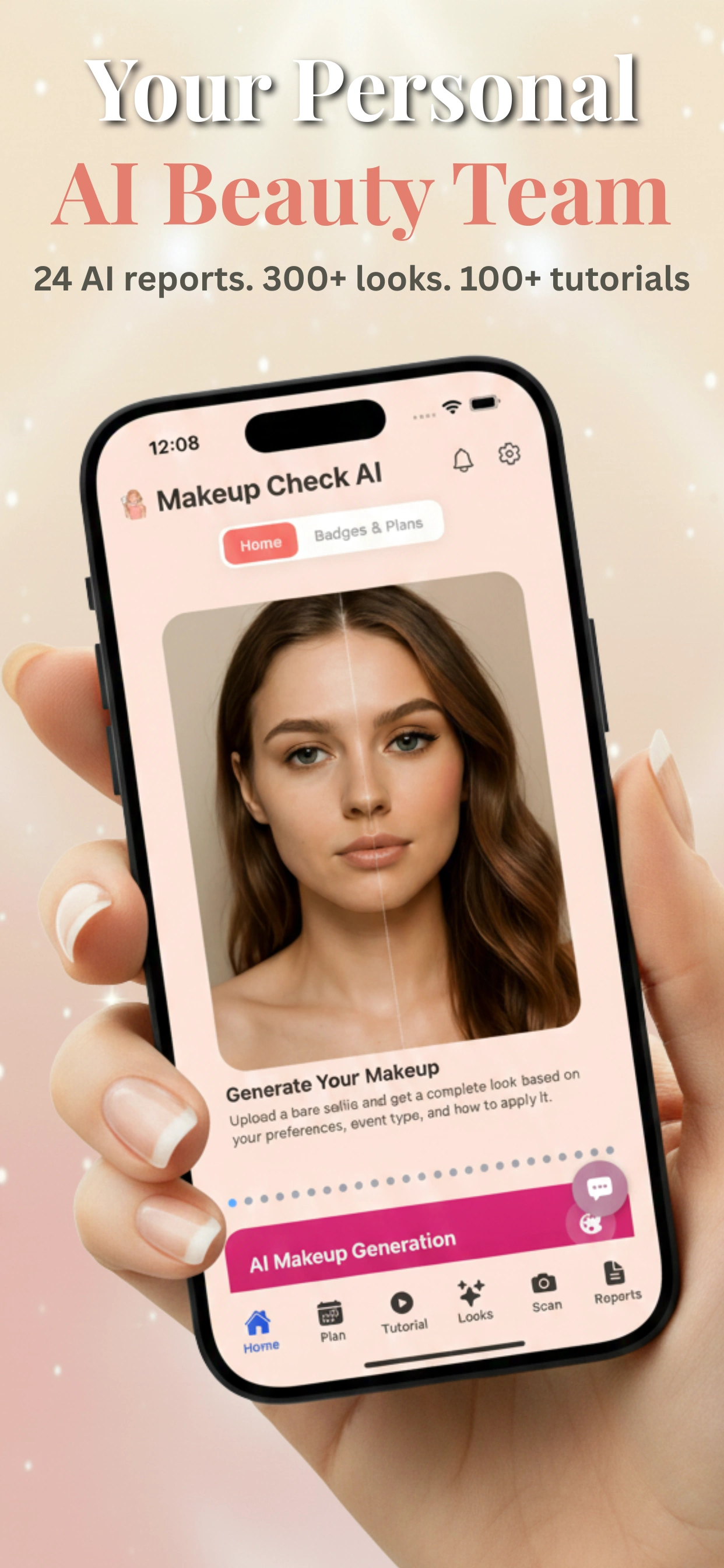
- Hyper-personalized diagnostics: AI analyzes selfies to recommend targeted skincare, slashing trial-and-error waste (sustainable beauty choices).
- AR-based virtual try-ons: Test makeup and hair colors digitally, reducing returns and sample consumption (achieving sustainable beauty with AR and AI technology); see our Clean Beauty Makeup post for more.
- Custom formulations: Bespoke blends lower the number of products needed, simplifying routines (AI-driven beauty resource).
Supply-Chain Optimization and Sustainable Logistics
- Demand forecasting & inventory optimization: Predictive analytics align production volumes with actual sales (AI and sustainable supply chains).
- Sourcing & traceability: AI flags non-compliant suppliers, traces origins, and suggests ethical alternatives (sustainable beauty choices).
- Route optimization: Algorithms consolidate shipments and select efficient paths to cut emissions (how AI can help create more sustainable beauty industry).
Packaging and Circularity
AI enhances circular packaging by optimizing materials and improving recyclability:
- Packaging optimization: Design lighter, protective formats and simulate performance with eco-friendly composites (how AI can help create more sustainable beauty industry).
- AI-enabled recycling: Computer vision systems sort materials at end-of-life to boost separation rates (sustainable beauty choices); check our Zero Waste Makeup Solutions guide.
Benefits of AI in Sustainable Beauty
Environmental benefits
- Reduced waste through precise personalization and virtual try-ons (achieving sustainable beauty with AR and AI technology).
- Resource efficiency via virtual prototyping and optimized formulations (AI in beauty industry).
- Greener ingredients by accelerating green chemistry (sustainable beauty choices).
- Sustainable logistics with smarter supply chains (AI and sustainable supply chains).
Economic benefits
- Faster innovation: predictive modeling cuts R&D timelines (sustainable beauty choices).
- Cost savings from leaner inventory and fewer prototypes (AI in beauty industry).
- Improved safety & trust by screening ingredients and sourcing (AI-driven beauty).
Challenges and Considerations
- Data quality, bias & inclusivity: ensuring diverse datasets across skin tones and ages (AI-driven beauty).
- Greenwashing & machine-readable data: verifiable sustainability claims are essential (ethical beauty in the age of AI).
- Privacy & consent: transparent policies for biometric data (sustainable beauty choices).
- Environmental footprint of AI: energy-intensive models require efficient infrastructure (AI-driven beauty).
- Balancing technology & genuine sustainability: AI must support fair labor, biodiversity, and social impact (Beauty & sustainable beauty deep dive).
Future Trends in AI and Sustainable Beauty Practices
- End-to-end AI sustainability platforms: real-time impact tracking from formulation to retail dashboards (How AI-powered beauty delivers hyper-personalized products & sustainable solutions).
- Advanced green chemistry & bio-manufacturing: lab-grown and upcycled ingredients replacing petrochemicals (sustainable beauty choices).
- Smarter circular packaging: digital product passports and AI vision for closed-loop recycling (how AI can help create more sustainable beauty industry).
- Hyper-personalized, minimalist routines: AI diagnostics driving multifunctional, fewer products (achieving sustainable beauty with AR and AI technology).
- Regulatory & standardization shifts: rules for AI transparency, data ethics, and sustainability reporting (AI-driven beauty).
FAQ
- Q: How does AI reduce cosmetic waste?
A: AI enables virtual testing, precise personalization, and demand forecasting to cut lab trials, overproduction, and unused products. - Q: Can AI ensure ethical ingredient sourcing?
A: Yes, AI-driven traceability flags non-compliant suppliers and suggests low-impact or upcycled alternatives. - Q: What are the main challenges of AI in sustainability?
A: Challenges include data bias, greenwashing, privacy concerns, and the environmental footprint of complex models. - Q: How can consumers benefit from AI-driven beauty?
A: Personalized diagnostics and AR try-ons help choose the right products, reduce waste, and simplify routines. - Q: What’s next for AI in eco-friendly beauty?
A: Expect integrated sustainability platforms, advanced bio-manufacturing, digital packaging passports, and stricter AI reporting standards.