Accessible Makeup App Features: Embracing Inclusive Beauty and Accessibility
Discover how accessible makeup app features empower inclusive beauty, offering independence and confidence with tools tailored for diverse needs.

Estimated reading time: 5 minutes
Key Takeaways
- Accessible makeup apps empower users with diverse physical and sensory needs.
- Technologies like AI, AR, and voice control drive inclusivity.
- Accessible features extend beyond apps to packaging design for complete usability.
- Future innovations will integrate multimodal feedback and ergonomic tools.
Table of Contents
- Understanding Inclusive Beauty and Accessibility
- Evolution of Makeup Technology
- Detailed Overview of Accessible Makeup App Features
- Benefits for Users
- Future Outlook and Innovations
- Conclusion
Understanding Inclusive Beauty and Accessibility
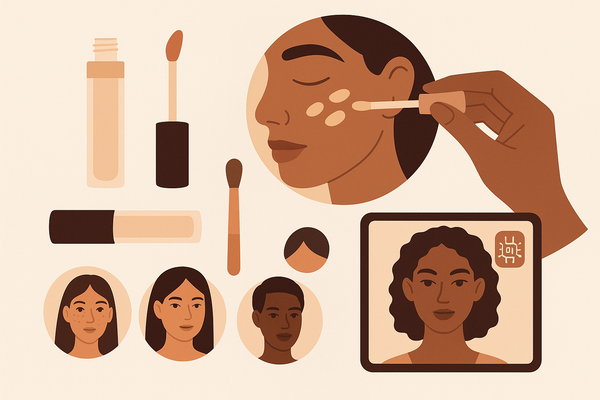
Inclusive beauty goes beyond offering a wide range of product shades; it means designing experiences and platforms that accommodate diverse physical and sensory needs. It recognizes that makeup should be available to everyone—regardless of sight, hearing, movement, or memory challenges.
Accessibility in makeup apps refers to features and design innovations ensuring usability for people with visual, auditory, motor, or cognitive impairments. It includes voice controls, adjustable visuals, and assistive navigation tools.
True inclusive beauty in apps reduces dependence on others for tasks like choosing foundation or checking lip color. When apps speak instructions, magnify controls, or adapt to a user’s touch, they foster independence and privacy.
Explore the Top 5 Accessible Beauty Products, insights from Rare Beauty’s accessibility efforts, Estée Lauder’s Voice-Enabled Makeup Assistant, and more.
Evolution of Makeup Technology
Recent years have seen a surge in tools that make beauty tech more inclusive:
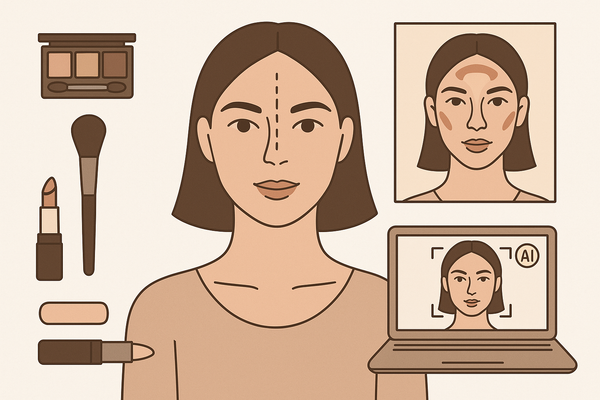
- AI Makeup Coach: Analyzes facial features and suggests products.
- Virtual Makeup Try-On: Uses AR to overlay virtual makeup on live video.
- Voice Control: Lets users talk to the app to choose shades or get guidance.
Landmark innovations like Estée Lauder’s Voice-Enabled Makeup Assistant and L’Oréal’s AR Try-On Tools have paved the way for user-friendly, inclusive beauty tech that benefits everyone.
Beyond the App: Rare Beauty’s easy-open containers feature thick, rounded tops. These designs aid users with limited grip strength, proving that accessibility must extend from screen to hand.
Detailed Overview of Accessible Makeup App Features
Voice Commands
- Navigate menus and product categories with simple prompts.
- Select shades, textures, and finishes hands-free.
- Receive spoken guidance on step-by-step application.
Example: Estée Lauder’s Voice-Enabled Cosmetic Assistant speaks blush placement and tells you when you’re done blending.
Benefits: Reduces reliance on vision or fine motor control, offering privacy and independence.
AI-Powered Makeup Feedback
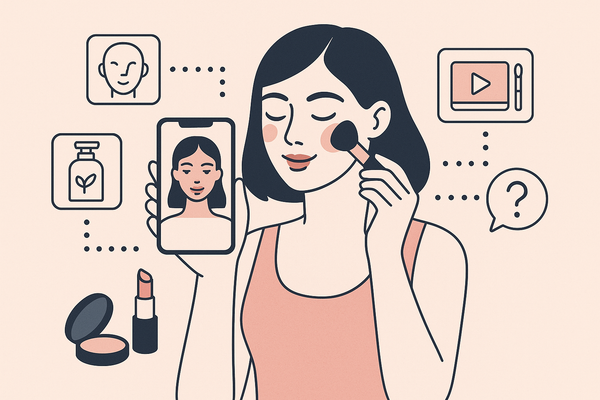
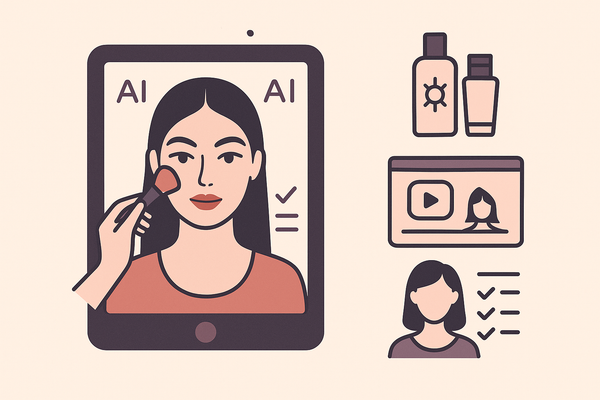
AI and AR scan your face in real time and offer audio feedback on coverage, blending, and color matching.
Use Case: Visually impaired users hear design tips, making at-home makeup precise. See the Rate My Makeup Online Guide.
Benefits: Ensures even application and builds user confidence.
Hands-Free and Adaptive Navigation
- Hands-free control via voice or head gestures.
- On-screen keyboards with predictive text.
- Text-to-speech for menu labels and product info.
- Visual click assist highlighting actionable items.
Benefits: Supports users with limited mobility, dyslexia, or mild vision loss.
Customizable Interface Options
Resizable buttons, high-contrast modes, and simplified layouts help users with low vision or cognitive disabilities, making selection faster and reducing cognitive load.
Augmented Reality (AR) Try-On Tools
Virtual makeup simulations offer customizable brightness/contrast and audio descriptions of color changes. Layering controls help build looks step by step.
Example: AR lips trial explains finish (matte vs. glossy) out loud. Benefits: Safe experimentation with full context.
User-Friendly Packaging (App Ecosystem Extension)
Accessible packaging—thick, rounded tops, easy closures, and braille labels—completes the inclusivity circle. Brands like Rare Beauty and HumanBeauty lead this trend.
Benefits: Users with arthritis open products without help.
Makeup Check AI leverages advanced AI and AR to guide users through inclusive beauty routines with voice prompts and adaptive visuals, ensuring everyone can achieve flawless looks independently. Watch this quick overview:
Benefits for Users
Accessible features foster empowerment and confidence, letting all users experiment, learn, and express creativity. When technology speaks instructions or magnifies details, users feel in control and proud of their results.
- “I feel more independent and less reliant on others,” says a user of Estée Lauder’s Voice-Enabled Makeup Assistant.
- Studies show that people with mobility impairments regained daily beauty routines after switching to accessible packaging.
These outcomes tie directly to inclusive beauty’s mission: to empower diverse users to feel confident and seen.
Future Outlook and Innovations
- Broader AI Integration: Multimodal feedback with audio, haptics, and visuals in real time.
- Sensor-Based Applicators: Grip-adaptive brushes that adjust resistance automatically.
- Enhanced Customization: Evolving UI and packaging through user research and medical partnerships.
- Community-Driven Design: Social feedback channels for rapid feature updates.
Accessible makeup app features are set to become even more intuitive and supportive, ensuring beauty tech serves everyone.
Accessible makeup app features—from voice commands and AI-driven feedback to adaptive interfaces and easy-open packaging—are revolutionizing inclusive beauty. These innovations align perfectly with creating experiences that accommodate diverse physical and sensory needs. Explore and support these groundbreaking tools to shape a beauty industry where everyone can express themselves, independently and confidently.
FAQ
- What makes a makeup app accessible?
- Features like voice commands, resizable text, high-contrast modes, and assistive navigation ensure usability for diverse needs.
- Can AR and AI really help visually impaired users?
- Yes, audio feedback on coverage and color matching allows precise application without relying on sight.
- How does packaging fit into app accessibility?
- Easy-open containers with braille labels and ergonomic designs extend inclusivity beyond the screen to the physical product.